Works with
- Anger
- Stress, Anxiety
- LGBT
- Trauma and abuse
- Grief
- Career difficulties
How Mark works
Practical facts
- Credentials
- LCSW
- Licensed in
- California
- Years in practice
- 13
- Languages
- English, Spanish
- Session format
- Online, through our partner platform
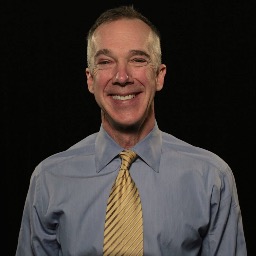
About Mark
Mark Ryle is a Licensed Clinical Social Worker (LCSW) based in California. He focuses on practical support for people facing stress, anxiety, anger, relationship strain, grief, and career challenges. He speaks English and Spanish and draws on more than a decade of clinical experience to help people make steady progress.
Mark blends straightforward therapy with coaching-style work. He helps clients set clear goals, practice new ways of handling strong emotions, and build skills they can use between sessions.
Background and approach
Sessions tend to be action-oriented and geared toward real life changes rather than abstract talk. Before becoming a clinician, he worked in corporate finance, investment banking, and personal equity at senior levels. That background informs his comfort with workplace and career concerns, and with people who want practical, results-focused support.
His approach includes client-centered conversations that let people lead the pace and focus. He also uses cognitive behavioral techniques to notice and shift unhelpful thinking, and mindfulness strategies to manage intense feelings in the moment. Motivational interviewing and solution-focused methods appear when clients want to clarify goals and move forward faster.
People often seek his help for anger, ADHD, trauma and abuse, intimacy issues, parenting stress, and compassion fatigue. He aims to leave clients with tools they can use on their own and a clearer path toward the changes they want.
What Mark works with
Everything Mark lists, in the therapist's own terms. Anger is the reason this directory exists; the rest tells you what usually sits alongside it in Mark's practice.
- Stress, Anxiety
- LGBT
- Trauma and abuse
- Grief
- Career difficulties
- Relationship issues
- Intimacy-related issues
- Eating disorders
- Parenting issues
- Anger management
- Self esteem
- Bipolar disorder
- Coping with life changes
- Coaching
- Compassion fatigue
- ADHD
- Abandonment
- Attachment issues
- BDSM, kink, and alternative sex culture
- Body image
- Codependency
- Commitment issues
- Communication problems
- Control issues
- Coping with natural or human-caused disaster
- Dependent personality
- Emptiness
- Family of origin issues
- Family problems
- Fatherhood issues
- First responder issues
- Forgiveness
- Gender dysphoria
- Guilt and shame
- HIV / AIDS
- Immigration issues
- Infidelity
- Isolation / loneliness
- Jealousy
- Men's issues
- Midlife crisis
- Mood disorders
- Panic disorder and panic attacks
- Personality disorders
- Polyamory / non-monogamous relationships
- Post-traumatic stress
- Self-harm
- Sex addiction
- Sexuality
- Social anxiety and phobia
- Workplace issues
- Young adult issues
Approaches Mark lists
- Client-Centered Therapy
- Cognitive Behavioral Therapy (CBT)
- Mindfulness Therapy
- Motivational Interviewing
- Solution-Focused Therapy
- Trauma-Focused Therapy
- Internal Family Systems
Listing an approach is not evidence of training in it. This directory copies what each therapist names and does not check training records.
How his approaches translate to online therapy
Client-centered therapy places the client's needs and goals at the center of each session. In practice this means the therapist follows what matters most to the client, listens closely, and adjusts the pace and focus to fit each person's concerns. This approach is useful for people who want their priorities lead the work.Cognitive Behavioral Therapy, or CBT, helps people spot unhelpful thoughts and try different behaviors to change outcomes. Online CBT often includes short exercises between sessions, thought records, and practical strategies to reduce anxiety, manage anger, and handle mood shifts.
Mindfulness therapy introduces simple attention practices to reduce reactivity and increase awareness of emotions and bodily signals. These practices can be brief and easily integrated into daily routines, which makes them a good fit for text reminders or phone check-ins.
Finding the right approach is part of the therapeutic process. The therapist will collaborate with each person to choose or combine methods based on goals, preferences, and what feels most effective in early sessions. That teamwork helps fine-tune pace and focus over time.
Online formats offer flexibility and practical benefits. Video calls allow face-to-face conversation when visual cues matter. Phone sessions can be easier when bandwidth is limited or a no-camera option is preferred. Live chat and text-based messaging work well for quick check-ins, brief coaching, and ongoing support between sessions. Together these options make it easier to fit therapy into a busy life.
Questions people ask about Mark
What kinds of concerns does he help with?
He works with stress, anxiety, anger, grief, relationship and intimacy issues, and career or workplace struggles, among other concerns listed in his profile.
What is his general therapy style?
He uses a client-centered, practical approach. Sessions focus on clear goals, skill building, and steps clients can try between appointments.
How much clinical experience does he have?
He has 13 years of experience as a clinician and has also held senior roles in corporate finance and personal equity before clinical practice.
What credential does he hold and where is he based?
He is a Licensed Clinical Social Worker (LCSW) licensed in California.
Which languages are supported?
Sessions are offered in English and Spanish.
What session formats are available?
He offers video calls, phone sessions, live chat, and text-based messaging as ways to meet.
How are fees handled?
Cost varies with location and therapist scheduling; sessions use a subscription model that can be canceled at any time.
How do I begin working with him?
Start by selecting the Start Therapy button, complete a short matching questionnaire, and then schedule sessions based on the therapist's availability.