Works with
- Anger
- Stress, Anxiety
- Addictions
- LGBT
- Relationship issues
- Depression
How Mary works
Practical facts
- Credentials
- LISW
- Licensed in
- Ohio
- Years in practice
- 40
- Languages
- English
- Session format
- Online, through our partner platform
About Mary
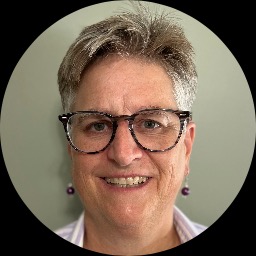
Mary (Peggy) Keating is a licensed independent social worker with 40 years of experience. She helps people untangle problems that get in the way of daily life. Her approach balances steady support with clear, practical guidance.
She listens for the life stories behind anxiety, grief, mood struggles, and trauma. She also works with concerns related to identity and LGBTQ issues, relationship difficulties, aging, and caregiving stress. Anger, addiction, sleep and eating problems, and attention challenges are other areas she addresses.
Background and approach
Sessions aim to move toward usable changes. Mary mixes straightforward conversation with evidence-based tools. She may use techniques that help reframe thinking, process painful memories, or build mindful habits.
People describe her style as gentle but direct. She is willing to challenge unhelpful patterns while holding a steady, respectful tone. That blend helps people notice stuck places and try new ways of coping.
Mary offers phone, video, chat, and text-based sessions to fit different needs. She practices in Ohio as an LISW - licensed independent social worker - and meets people in English. If a practical, experienced clinician who can both support and push for change feels right, she may be a good match.
What Mary works with
Everything Mary lists, in the therapist's own terms. Anger is the reason this directory exists; the rest tells you what usually sits alongside it in Mary's practice.
- Stress, Anxiety
- Addictions
- LGBT
- Relationship issues
- Depression
- Family conflicts
- Trauma and abuse
- Grief
- Intimacy-related issues
- Eating disorders
- Sleeping disorders
- Parenting issues
- Anger management
- Self esteem
- Career difficulties
- Bipolar disorder
- Coping with life changes
- Coaching
- Compassion fatigue
- ADHD
- Aging and geriatric issues
- BDSM, kink, and alternative sex culture
- Blended family issues
- Cancer
- Caregiver issues and stress
- Chronic pain, illness, and disability
- Co-morbidity
- Codependency
- Commitment issues
- Communication problems
- Control issues
- Dependent personality
- Divorce and separation
- Domestic violence
- Drug and alcohol addiction
- Family of origin issues
- Family problems
- Fatherhood issues
- Forgiveness
- Gender dysphoria
- Guilt and shame
- HIV / AIDS
- Hospice and end-of-life counseling
- Immigration issues
- Infidelity
- Isolation / loneliness
- Jealousy
- Life purpose
- Midlife crisis
- Money and financial issues
- Mood disorders
- Paranoia
- Personality disorders
- Polyamory / non-monogamous relationships
- Post-traumatic stress
- Seasonal Affective Disorder (SAD)
- Self-harm
- Self-love
- Sexual assault and abuse
- Sexuality
- Smoking / vaping cessation
- Social anxiety and phobia
- Traumatic brain injury
- Visually impaired
- Women's issues
- Workplace issues
Approaches Mary lists
- Cognitive Behavioral Therapy (CBT)
- Eye Movement Desensitization and Reprocessing (EMDR)
- Mindfulness Therapy
- Motivational Interviewing
- Psychodynamic Therapy
- Solution-Focused Therapy
- Trauma-Focused Therapy
Listing an approach is not evidence of training in it. This directory copies what each therapist names and does not check training records.
Approaches that translate well to online therapy
Mary commonly uses Cognitive Behavioral Therapy and EMDR alongside mindfulness practices. Cognitive Behavioral Therapy focuses on identifying unhelpful thinking and testing new behaviors; it is useful for anxiety, depression, anger, and many everyday problems. Eye Movement Desensitization and Reprocessing helps people process traumatic memories and reduce their impact, often by pairing focused recall with guided bilateral stimulation. Mindfulness Therapy teaches simple attention and breathing practices to reduce reactivity and improve focus. She treats finding the right approach as a collaborative process. The therapist will talk with each person about their goals, try methods that match those goals, and adjust plans together over time. That way the work stays practical and personally fitting. Online sessions offer several practical benefits. Video calls let people use visual cues and work directly through exercises. Phone sessions are useful when bandwidth is limited or a quicker check-in is needed. Live chat and text messaging make it easier to fit short conversations into a busy day and to follow up between longer sessions. These options provide flexibility for how and when therapy happens, while keeping the focus on making steady progress.Questions people ask about Mary
What kinds of concerns does Mary address?
She works with a wide range of issues including stress, anxiety, depression, trauma and abuse, grief, anger, addictions, relationship and intimacy concerns, sleep and eating problems, ADHD, caregiver stress, and challenges related to aging.
How would you describe her therapeutic style?
Her style pairs gentle support with direct feedback. She listens closely, then offers practical steps and conversational challenges to help people get unstuck.
What is her clinical background?
Mary has 40 years of experience working in social work and mental health settings. Her long practice brings familiarity with many life challenges and treatment approaches.
What credentials and location should I know about?
She holds an LISW - licensed independent social worker - credential in Ohio and practices there.
Which languages are supported for sessions?
Sessions are offered in English.
What formats are available for sessions?
She offers video calls, phone sessions, live chat, and text-based messaging to give flexibility in how people connect.
How does cost and billing work?
Cost varies with location and therapist arrangements; sessions are provided through a subscription model that can be canceled at any time.
How do I begin working with her?
Start by clicking the Start Therapy button, completing a short matching questionnaire, and scheduling according to the therapist's availability.