Works with
How Michael works
Practical facts
- Credentials
- LCSW
- Licensed in
- Virginia
- Years in practice
- 40
- Languages
- English
- Session format
- Online, through our partner platform
About Michael
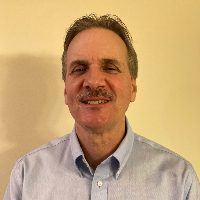
Michael Bohman is a Licensed Clinical Social Worker with four decades of experience. He uses a person-centered approach that focuses on listening first, then helping people find practical ways to manage stress, anger, and life changes. He works from Virginia and offers sessions in English to local and international clients.
He draws on Client-Centered Therapy to build a trusting working relationship where the person's goals lead the work. He pairs that with Cognitive Behavioral Therapy to identify patterns of thinking and behavior that fuel anxiety, addictions, or low mood.
Background and approach
Mindfulness techniques are offered to help with intense emotions and sleep problems. Across his career Michael has worked in many settings with mental health, substance abuse, domestic violence, trauma, and related concerns. He has decades of experience as a clinical supervisor and as a consultant on training and program development.
That background informs his practical, steady style in sessions. Sessions are designed to be straightforward. He helps people talk through immediate problems, develop coping skills, and set small goals that fit daily life.
He also supports people facing grief, caregiver stress, chronic illness, and the strain of major life transitions. Michael balances a recovery-oriented outlook with solution-focused tools. He aims to make therapy useful and manageable for busy lives.
Conversations move at the client's pace and focus on steps that can make a difference soon.
What Michael works with
Everything Michael lists, in the therapist's own terms. Anger is the reason this directory exists; the rest tells you what usually sits alongside it in Michael's practice.
- Stress, Anxiety
- Addictions
- Trauma and abuse
- Grief
- Depression
- LGBT
- Relationship issues
- Family conflicts
- Intimacy-related issues
- Eating disorders
- Sleeping disorders
- Parenting issues
- Anger management
- Self esteem
- Career difficulties
- Bipolar disorder
- Coping with life changes
- Coaching
- Compassion fatigue
- ADHD
- Aging and geriatric issues
- Caregiver issues and stress
- Chronic pain, illness, and disability
- Codependency
- Communication problems
- Control issues
- Coping with natural or human-caused disaster
- Domestic violence
- Drug and alcohol addiction
- Family problems
- Fatherhood issues
- Forgiveness
- Isolation / loneliness
- Life purpose
- Men's issues
- Midlife crisis
- Mood disorders
- Panic disorder and panic attacks
- Post-traumatic stress
- Traumatic brain injury
- Young adult issues
Approaches Michael lists
- Client-Centered Therapy
- Cognitive Behavioral Therapy (CBT)
- Mindfulness Therapy
- Motivational Interviewing
- Psychodynamic Therapy
- Solution-Focused Therapy
- Trauma-Focused Therapy
Listing an approach is not evidence of training in it. This directory copies what each therapist names and does not check training records.
How therapeutic approaches translate to online care
Client-Centered Therapy focuses on building a respectful, nonjudgmental working relationship where the person's own goals drive the work. Online sessions let that relationship develop through regular conversation, reflective listening, and goal-setting that fit each client's life.Cognitive Behavioral Therapy (CBT) helps people notice unhelpful thinking and test new behaviors. In remote sessions, CBT tasks like tracking thoughts, trying small behavioral experiments, and reviewing results translate easily to video, phone, or messaging formats and can address anxiety, depression, anger, and addictive behaviors.
Mindfulness Therapy introduces simple attention and breathing practices to reduce reactivity and improve sleep. These practices can be guided in short live sessions or supported through brief written exercises between meetings.
Finding the right approach is part of the work. The therapist will talk with each person about their goals, needs, and preferences and then choose methods together. That collaborative process helps tailor the plan and adjust it over time as progress is tracked.
Online formats offer practical advantages. Video calls approximate a face-to-face session for deeper conversation. Phone sessions use less bandwidth and can be easier when movement or camera use is difficult. Live chat and text messaging allow brief check-ins, quick coping tools, and continuity between longer appointments. These options make it easier to fit therapy into a busy schedule and keep momentum while working on change.
Questions people ask about Michael
What kinds of concerns does Michael address?
He helps with stress, anxiety, addictions, trauma and abuse, grief, depression, anger, self-esteem, and many related issues including parenting and career concerns.
What is his general approach in sessions?
He uses a client-centered style to listen and follow each person's goals, and combines that with practical methods like CBT and mindfulness to change thoughts and behaviors.
How much experience does he bring?
Michael has 40 years of experience in clinical and supervisory roles, plus consulting and program development work across a range of settings.
Where is he licensed and based?
He is a Licensed Clinical Social Worker (LCSW) practicing from Virginia.
Which languages are supported and can he work internationally?
Sessions are offered in English, and he accepts clients from outside the United States.
In what formats are sessions offered?
He provides video calls, phone sessions, live chat, and text-based messaging to fit different needs and schedules.
How does pricing work for sessions?
Cost varies by location and therapist availability; sessions are provided through a subscription model that can be canceled at any time.
What is the first step to begin working together?
Use the Start Therapy button, complete a short matching questionnaire, and then schedule sessions according to the therapist's availability.