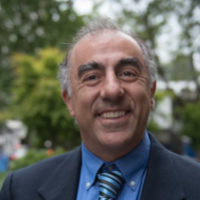
Mohammad Bader, LPC, LMHC
Practical, culturally aware counseling for strong emotions
Explore online therapy optionsWorks with
- Anger
- Stress, Anxiety
- Relationship issues
- Grief
- Depression
- Coaching
How Mohammad works
Practical facts
- Credentials
- LPC, LMHC
- Licensed in
- Oregon, Washington
- Years in practice
- 25
- Languages
- English, Arabic
- Session format
- Online, through our partner platform
About Mohammad
Mohammad Bader is a licensed counselor who helps people handle intense feelings and life changes. He practices in Oregon and speaks English and Arabic. Many seek him for anger, stress, anxiety, depression, and relationship concerns.
He keeps sessions straightforward and practical. Conversations focus on identifying patterns, trying small changes, and building skills that fit day-to-day life. He emphasizes cultural awareness and respects each person’s background and identity.
Over 25 years of experience shape his work.
Background and approach
That background includes helping people with trauma and abuse, addictions, grief, sleep problems, and career strain. He also offers support around ADHD, compassion fatigue, and issues faced by first responders. His methods draw on approaches that encourage values-driven action, clear thinking about thoughts and behaviors, and emotionally focused work around relationships.
Sessions look different depending on the problem - some people want skill-building, others need help naming feelings and repairing connection. Mohammad aims for collaboration. He listens first, then suggests practical steps clients can try between sessions.
Progress is tracked by what feels more manageable in daily life and by the client’s own goals. People who contact him typically complete a short matching questionnaire and schedule sessions that fit their routine. The format can include video, phone, live chat, or text-based messaging to match different needs and schedules.
What Mohammad works with
Everything Mohammad lists, in the therapist's own terms. Anger is the reason this directory exists; the rest tells you what usually sits alongside it in Mohammad's practice.
- Stress, Anxiety
- Relationship issues
- Grief
- Depression
- Coaching
- Addictions
- LGBT
- Family conflicts
- Trauma and abuse
- Sleeping disorders
- Parenting issues
- Anger management
- Self esteem
- Career difficulties
- Coping with life changes
- Compassion fatigue
- ADHD
- First responder issues
- Forgiveness
- Gender dysphoria
- Hearing impaired
- Immigration issues
- Infidelity
- Jealousy
- Multicultural concerns
- Phobias
- Prejudice and discrimination
Approaches Mohammad lists
- Acceptance and Commitment Therapy (ACT)
- Client-Centered Therapy
- Cognitive Behavioral Therapy (CBT)
- Emotionally-Focused Therapy (EFT)
- Existential Therapy
- Gottman Method
- Jungian Therapy
- Motivational Interviewing
- Psychodynamic Therapy
- Solution-Focused Therapy
- Trauma-Focused Therapy
Listing an approach is not evidence of training in it. This directory copies what each therapist names and does not check training records.
How therapeutic approaches translate to online care
Acceptance and Commitment Therapy (ACT) helps people clarify what matters to them and take small actions toward those values. It often helps with anxiety, anger, and life transitions by combining mindfulness with practical steps. Cognitive Behavioral Therapy (CBT) focuses on identifying unhelpful thoughts and changing behavior to reduce distress and improve daily functioning. It is useful for depression, anxiety, sleep problems, and many stress-related concerns. Client-Centered Therapy centers the person’s perspective, using empathic listening and reflection to help people feel understood and discover their own solutions.Finding the right approach is a team effort. The therapist will discuss symptoms, goals, and preferences and then suggest ways of working that fit. Sessions can blend methods so each plan reflects what the person needs and how they prefer to work.
Online formats include video calls, phone sessions, live chat, and text-based messaging. Video is good for in-depth conversations and visual cues. Phone sessions require less bandwidth and can fit during a break. Live chat and text messaging allow shorter check-ins and more flexibility during busy days. These options make it easier to keep up with regular sessions and try techniques between meetings.
Questions people ask about Mohammad
What concerns does Mohammad address?
He works with people facing stress, anxiety, depression, relationship problems, grief, sleep issues, addiction, anger, self-esteem, career challenges, and related concerns like ADHD and compassion fatigue.
What is his therapeutic style like?
He uses a collaborative, straightforward approach that focuses on skills and practical changes. Conversations aim to name feelings, test small changes, and track what improves daily life.
How much experience does he have?
He brings 25 years of clinical experience to his practice, working with a wide range of emotional and life challenges.
What credentials and where is he licensed?
He holds LPC and LMHC credentials and practices in Oregon.
Which languages are supported?
Sessions are offered in English and Arabic.
Can people outside the country work with him?
International clients are not currently accepted.
What session formats are offered?
Therapy is available by video calls, phone sessions, live chat, or text-based messaging to fit different schedules and preferences.
How are fees handled and how do I begin?
Cost varies with location and therapist availability and uses a subscription that can be canceled at any time. To get started, select the Start Therapy button, complete a short matching questionnaire, and schedule according to availability.