Search

Therapists for anger and Phobias

2,222 therapists list both anger and phobias among the things they work with. All offer sessions online; each profile shows the states they are licensed in.

Below you will find profiles of therapists who work with phobias, including their stated approaches, focus areas and languages. Use the listings to compare specialties and find clinicians whose descriptions match what you are looking for. Browse the profiles below to start your search.

1–48 of 2,222Page 1 of 32

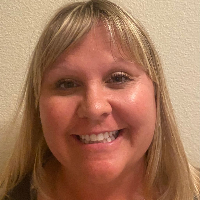
Chasity Keller Anderson

LCSW

Compassionate, practical support for everyday challenges

State
North Dakota
Experience
10 years
Languages
English
Also works with
Stress, Anxiety, Relationship, Family, Trauma and abuse
How they work
Acceptance and Commitment Therapy, Attachment-Based Therapy, Client-Centered Therapy

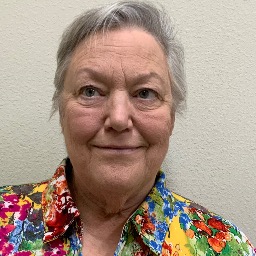
Alicia Colon

LICSW

Calm, practical guidance for intense emotions

State
Massachusetts
Experience
26 years
Languages
English
Also works with
Relationship, Trauma and abuse, Self esteem, Depression

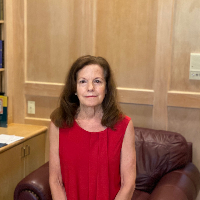
Joshua Plantz

LMHC

Compassionate counselor focused on practical change

State
Florida
Experience
23 years
Languages
English
Also works with
Stress, Anxiety, Addictions, Self esteem, Depression
How they work
Client-Centered Therapy, Cognitive Behavioral Therapy, Mindfulness Therapy

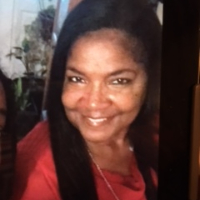
Derricia Walters

LMHC

Compassionate counselor focused on practical skills

State
Indiana
Experience
4 years
Languages
English
Also works with
Stress, Anxiety, Self esteem, Depression, ADHD
How they work
Client-Centered Therapy, Cognitive Behavioral Therapy, Dialectical Behavior Therapy

Willie Johnson

LCSW

Calm guidance for strong emotions

State
Nevada
Experience
32 years
Languages
English
Also works with
Stress, Anxiety, Relationship, Family, Trauma and abuse
How they work
Client-Centered Therapy, Cognitive Behavioral Therapy, Emotionally-Focused Therapy

Christine O'Neill

LPC, LCPC

Practical, goal-focused counselor with 18 years experience

State
Colorado
Experience
18 years
Languages
English
Also works with
Stress, Anxiety, Addictions, Relationship, Self esteem
How they work
Client-Centered Therapy, Cognitive Behavioral Therapy, Dialectical Behavior Therapy

Cindy Hannigan

LPC

Calm, practical support for strong emotions

State
Texas
Experience
12 years
Languages
English
Also works with
Stress, Anxiety, Addictions, Relationship, Trauma and abuse
How they work
Acceptance and Commitment Therapy, Attachment-Based Therapy, Client-Centered Therapy

Marcos Villareal

LPC

Calm, experienced counselor for anger and life stress

State
Texas
Experience
20 years
Languages
English
Also works with
Stress, Anxiety, Relationship, Depression, Coping with life changes
How they work
Acceptance and Commitment Therapy, Attachment-Based Therapy, Client-Centered Therapy

Prof. Ryan Davis

LPC

Compassionate counselor focused on practical change

State
Michigan
Experience
14 years
Languages
English
Also works with
Stress, Anxiety, Addictions, Relationship, Depression
How they work
Client-Centered Therapy, Emotionally-Focused Therapy

Jeffrey Evans

LPC

Practical, respectful counseling for intense emotions

State
Texas
Experience
11 years
Languages
English
Also works with
Stress, Anxiety, Addictions, Family, Trauma and abuse
How they work
Acceptance and Commitment Therapy, Client-Centered Therapy, Cognitive Behavioral Therapy

Rachel Thornburg

LPC

Calm, practical support for strong emotions

State
Idaho
Experience
5 years
Languages
English
Also works with
Stress, Anxiety, Addictions, Relationship, Trauma and abuse
How they work
Client-Centered Therapy, Cognitive Behavioral Therapy, Emotionally-Focused Therapy

Marisa Esparza

LPC

Straightforward support for strong emotions and parenting strain

State
Texas
Experience
10 years
Languages
English
Also works with
Stress, Anxiety, Parenting, Depression, ADHD
How they work
Acceptance and Commitment Therapy, Attachment-Based Therapy, Client-Centered Therapy

Evalee Smith

LISW, LCSW, CSW

Compassionate, skills-focused mental health care

State
Georgia
Experience
25 years
Languages
English
Also works with
Stress, Anxiety, Parenting, Self esteem, Depression
How they work
Attachment-Based Therapy, Client-Centered Therapy, Cognitive Behavioral Therapy

Rachael Figueroa

LCSW

Compassionate LCSW focused on practical change

State
New York
Experience
25 years
Languages
English, Spanish
Also works with
Stress, Anxiety, Grief, Self esteem, Depression
How they work
Client-Centered Therapy, Cognitive Behavioral Therapy, Emotionally-Focused Therapy

Jonetta Wakely

LPC

Practical counseling for emotion and relationship struggles

State
Oklahoma
Experience
20 years
Languages
English
Also works with
Stress, Anxiety, Relationship, Family, Trauma and abuse
How they work
Attachment-Based Therapy, Cognitive Behavioral Therapy, Dialectical Behavior Therapy

Ilene Liner

LMHC

Calm guidance for strong emotions

State
Massachusetts
Experience
25 years
Languages
English
Also works with
Stress, Anxiety, Relationship, Family, Self esteem
How they work
Attachment-Based Therapy, Client-Centered Therapy, Cognitive Behavioral Therapy

Amy Woodward

LPC, LCMHC

Practical support for stress and anger

State
Vermont
Experience
11 years
Languages
English
Also works with
Stress, Anxiety, Trauma and abuse, Self esteem, Depression
How they work
Acceptance and Commitment Therapy, Client-Centered Therapy, Cognitive Behavioral Therapy

Ginger Vanmeter

LCSW

Compassionate, practical help for intense emotions

State
Kentucky
Experience
15 years
Languages
English
Also works with
Stress, Anxiety, Relationship, Parenting, Depression
How they work
Acceptance and Commitment Therapy, Attachment-Based Therapy, Client-Centered Therapy

Troy Gibson

LCPC

Gentle, practical therapy for life’s hard moments

State
Illinois
Experience
10 years
Languages
English
Also works with
Stress, Anxiety, LGBT, Relationship, Trauma and abuse
How they work
Client-Centered Therapy, Emotionally-Focused Therapy, Existential Therapy

Dr. Kendra Corning

NC Psychologist

Practical, compassionate help for strong emotions

State
North Carolina
Experience
12 years
Languages
English
Also works with
Stress, Anxiety, Trauma and abuse, Grief, Bipolar
How they work
Acceptance and Commitment Therapy, Client-Centered Therapy, Cognitive Behavioral Therapy

Crystal Kelly

LMFT

Calm, practical support for emotion and behavior

State
Florida
Experience
11 years
Languages
English
Also works with
Stress, Anxiety, Relationship, Family, Trauma and abuse
How they work
Client-Centered Therapy, Cognitive Behavioral Therapy, Dialectical Behavior Therapy

Diane DeRuyter

LMHC, LPC

Calm, practical support for managing strong emotions

State
New York
Experience
9 years
Languages
English
Also works with
Stress, Anxiety, Addictions, Self esteem, LGBT
How they work
Acceptance and Commitment Therapy, Client-Centered Therapy, Cognitive Behavioral Therapy

Mark Flores

LCSW

Clinical social worker focusing on strong emotions

State
Texas
Experience
20 years
Languages
English
Also works with
Stress, Anxiety, Addictions, LGBT, Depression
How they work
Client-Centered Therapy, Cognitive Behavioral Therapy, Dialectical Behavior Therapy

Gwendolyn Scrutchins

LPC

Compassionate counselor with practical strategies

State
Georgia
Experience
9 years
Languages
English
Also works with
Stress, Anxiety, Self esteem, Bipolar, Depression
How they work
Acceptance and Commitment Therapy, Cognitive Behavioral Therapy, Emotionally-Focused Therapy

Barbara Mey

LMHC

Calm, practical therapy for everyday struggles

State
Rhode Island
Experience
20 years
Languages
English
Also works with
Stress, Anxiety, Relationship, Family, Self esteem
How they work
Acceptance and Commitment Therapy, Cognitive Behavioral Therapy, Mindfulness Therapy

Jesse Palermo

LCSW

Helping people manage anger and stress

State
New York
Experience
14 years
Languages
English
Also works with
Stress, Anxiety, Addictions, Relationship, Bipolar
How they work
Client-Centered Therapy, Cognitive Behavioral Therapy, Dialectical Behavior Therapy

George Vega

LMHC

Calm-focused counselor for practical change

State
Florida
Experience
11 years
Languages
English
Also works with
Stress, Anxiety, Addictions, Relationship, Trauma and abuse
How they work
Acceptance and Commitment Therapy, Attachment-Based Therapy, Client-Centered Therapy

Christopher "Chris" Noll

LCSW

Therapist for managing strong emotions

State
Missouri
Experience
11 years
Languages
English
Also works with
Grief, Self esteem, Career, Coping with life changes
How they work
Client-Centered Therapy, Cognitive Behavioral Therapy, Jungian Therapy

Celena Benjamin

LMHC, LCMHC

Calm, practical guidance for managing strong emotions

State
Florida
Experience
27 years
Languages
English
Also works with
Stress, Anxiety, Parenting, Self esteem, Depression
How they work
Acceptance and Commitment Therapy, Client-Centered Therapy, Cognitive Behavioral Therapy

Lynn Vinson

LCSW

Calm, experienced social worker focused on practical change

State
California
Experience
10 years
Languages
English
Also works with
Stress, Anxiety, Relationship, Grief, Self esteem
How they work
Client-Centered Therapy, Cognitive Behavioral Therapy, Dialectical Behavior Therapy

Cathy Drucker

LCSW

Compassionate practical help for anger and stress

State
Illinois
Experience
30 years
Languages
English
Also works with
Stress, Anxiety, Relationship, Self esteem, Depression
How they work
Acceptance and Commitment Therapy, Attachment-Based Therapy, Client-Centered Therapy

Fred (Frederick) Theobald

LPC, LPCC

Practical, steady support for anger and stress management

State
Texas
Experience
15 years
Languages
English
Also works with
Stress, Anxiety, Addictions, LGBT, Trauma and abuse
How they work
Acceptance and Commitment Therapy, Attachment-Based Therapy, Client-Centered Therapy

Tiffany Dunnells

LPC

Compassionate counseling with practical tools

State
Texas
Experience
10 years
Languages
English
Also works with
Stress, Anxiety, Trauma and abuse, Self esteem, Depression
How they work
Client-Centered Therapy, Cognitive Behavioral Therapy, Emotionally-Focused Therapy

Susan Jentoft

LPC

Experienced counselor for life transitions

State
Mississippi
Experience
25 years
Languages
English
Also works with
Stress, Anxiety, Relationship, Family, Grief
How they work
Acceptance and Commitment Therapy, Client-Centered Therapy, Cognitive Behavioral Therapy

Diana Schmitz

LCSW

Calm, practical support for real-life change

State
Arkansas
Experience
13 years
Languages
English
Also works with
Stress, Anxiety, Relationship, Family, Self esteem
How they work
Client-Centered Therapy, Cognitive Behavioral Therapy, Dialectical Behavior Therapy

Vanessa Rubin

LPC

Compassionate counselor focused on practical change

State
Louisiana
Experience
7 years
Languages
English
Also works with
Stress, Anxiety, Trauma and abuse, Self esteem, Depression
How they work
Acceptance and Commitment Therapy, Client-Centered Therapy, Cognitive Behavioral Therapy

Shannon Mott

LCSW

Calm, practical support for everyday struggles

State
Louisiana
Experience
9 years
Languages
English
Also works with
Stress, Anxiety, Relationship, Family, Trauma and abuse
How they work
Acceptance and Commitment Therapy, Attachment-Based Therapy, Client-Centered Therapy

Anjanette Morton

LMHC

Calm guidance for stress, anger, and life change

State
New York
Experience
5 years
Languages
English
Also works with
Stress, Anxiety, Addictions, Trauma and abuse, Grief
How they work
Acceptance and Commitment Therapy, Client-Centered Therapy, Cognitive Behavioral Therapy

Kira Karabanovs

LISW

Calm, practical support for anger and stress

State
Ohio
Experience
8 years
Languages
English
Also works with
Stress, Anxiety, Relationship, Grief, Self esteem
How they work
Cognitive Behavioral Therapy, Motivational Interviewing, Trauma-Focused Therapy

Herman Bunn

LPC

Calm guidance for strong emotions

State
Georgia
Experience
25 years
Languages
English
Also works with
Stress, Anxiety, Trauma and abuse, Grief, Self esteem
How they work
Attachment-Based Therapy, Client-Centered Therapy, Cognitive Behavioral Therapy

Timothy Schuerr

LISW

Practical, compassionate support for managing strong emotions

State
Ohio
Experience
17 years
Languages
English
Also works with
Stress, Anxiety, Family, Parenting, Depression
How they work
Attachment-Based Therapy, Client-Centered Therapy, Cognitive Behavioral Therapy

Stephen Richardson

LCSW, LISW-CP

Compassionate, faith-informed clinical social worker

State
North Carolina
Experience
10 years
Languages
English
Also works with
Stress, Anxiety, Relationship, Family, Bipolar
How they work
Acceptance and Commitment Therapy, Client-Centered Therapy, Cognitive Behavioral Therapy

John Hamblin

LPC

Practical support for anger and emotional challenges

State
Louisiana
Experience
24 years
Languages
English
Also works with
Stress, Anxiety, Family, Trauma and abuse, Grief
How they work
Client-Centered Therapy, Cognitive Behavioral Therapy, Psychodynamic Therapy

Some links on this page are partner links. We will earn a commission if you sign up through one, at no cost to you. It does not change what you pay or the order of the listings.

Understanding phobias and how they affect you

Phobias are intense, often persistent fears of specific objects, situations or activities that many people recognize as excessive or unreasonable. You might experience a phobia of heights, flying, spiders, needles, driving or social situations, and that fear can show up in different ways. For some people a phobia leads to immediate physical signs such as rapid heart rate, sweating, trembling or nausea whenever the feared trigger is nearby. For others the main impact is behavioral - avoiding events, places or activities that could bring you into contact with the trigger, which can narrow your daily life and opportunities.

Living with a phobia does not mean there is something wrong with you. Phobias can develop after a distressing event, or they may appear without a clear cause. Over time avoidance can become entrenched: you may change routines, miss out on experiences, or feel anxious in anticipation of encounters with the trigger. That anticipatory anxiety can be draining and affect relationships, work and overall quality of life. Understanding how a phobia interacts with your thoughts, body and behavior is an important first step in deciding whether to seek support.

Signs you might benefit from therapy for a phobia

You might consider seeking help if your fear begins to get in the way of activities you value or if avoidance feels increasingly limiting. If you notice that worry about a specific object or situation takes up a lot of your mental energy, or if you find yourself planning your week around avoiding triggers, those are indicators that the fear is having a meaningful impact. Physical symptoms during exposure - like racing heart, shortness of breath, dizziness or an urge to flee - can also signal that a targeted approach could help you learn different ways to respond.

Another sign is if attempts to handle the fear on your own leave you feeling stuck or more anxious. You may have tried gradual exposure on your own, used relaxation techniques, or relied on avoidance and still find the fear persistent. Therapy is not only for extreme cases; people pursue it when they want practical strategies to reduce interference with daily life, manage anxious reactions more effectively, or change long-standing patterns. If the fear creates stress in relationships, work, travel or parenting, talking with a clinician who lists phobia work among their focuses can give you options to consider.

What to expect in therapy sessions focused on phobias

When you begin working with a therapist on a phobia, sessions typically start with a careful assessment of how the fear shows up for you. You can expect a conversation about your history with the fear, the situations that trigger it, and the ways you currently cope. This initial phase helps the clinician and you create a plan that fits your goals, whether that means reducing panic symptoms, changing avoidance behaviors, or increasing participation in activities you’ve been avoiding.

Therapy often progresses through a mix of education, skill-building and gradual exposure to the feared stimulus. Education helps you understand the physiological and psychological components of fear so responses make more sense. Skill-building can include breathing and grounding techniques to manage intense moments, cognitive strategies to challenge catastrophic thoughts, and planning exercises to break down feared situations into manageable steps. Exposure work is usually done in a gradual, controlled way so you can practice new responses and notice that the feared outcomes are less likely or less intense than anticipated. Your therapist will tailor the pace to your needs and help you track progress.

Common therapeutic approaches used for phobias

Several evidence-informed approaches are commonly used with phobias, and many clinicians combine elements from more than one model. You may find therapists who list cognitive behavioral therapy or CBT among their approaches, which focuses on identifying and changing unhelpful thought patterns and behaviors. Exposure therapy - sometimes described as gradual or systematic exposure - is a central component for many clinicians who work with phobias, and it involves repeated, controlled contact with the feared stimulus so you can learn new responses over time.

Other approaches you might encounter include acceptance and commitment approaches that emphasize willingness to experience uncomfortable emotions while pursuing valued actions, and mindfulness-based techniques that help you observe anxious sensations without reacting to them. Some therapists may list EMDR among their approaches, which some clinicians use when a phobia is connected to a specific traumatic event. When reviewing profiles, you can look for therapists who list the approaches that resonate with you and read their descriptions about how they apply those methods to phobia work.

How online therapy works for phobias

Online therapy is a common option for people seeking support for phobias because it can make it easier to connect with clinicians who list this specialty, even if they are not local to you. Sessions are typically conducted via video or phone, and many people find that remote work allows them to begin exposure in environments that matter to them. For example, if your fear involves social situations, practicing coping strategies by participating in video interactions can be integrated into sessions. If the phobia relates to a situation that occurs outside the home, your clinician can help you plan in-person exposures between sessions while providing guidance and reflection remotely.

When you work online, it’s helpful to prepare a quiet, comfortable environment where you can focus and practice techniques without interruption. Your clinician will discuss how to manage safety during exposure tasks and will help you build a step-by-step plan. Using online sessions does not limit the types of strategies available; many therapeutic techniques translate well to video or phone-based formats. Before committing to an approach, read therapist profiles to see how they describe their online practice and the kinds of exercises they use with clients who are managing phobias.

Tips for choosing the right therapist for phobias

Finding a therapist who is a good fit involves considering several factors beyond a single label. Look for descriptions that explain how a clinician approaches phobia work and the kinds of strategies they use. You may prefer someone who emphasizes exposure-based methods, or you might look for clinicians who integrate cognitive work, mindfulness or acceptance skills. Pay attention to statements about experience with the specific type of phobia you have, as clinicians who list work with social anxiety, specific phobias or situational fears can often speak directly to common patterns and helpful strategies.

Language, cultural understanding and therapeutic style matter as well. If you prefer a direct, skills-focused approach, look for profiles that describe structured work and measurable goals. If you prefer a more exploratory pace, seek clinicians who emphasize building coping resources and working at your rhythm. Consider the logistical details they list, such as whether they offer remote sessions, the languages they speak, and how they describe session format and length. Reading multiple profiles and comparing how clinicians explain their approach will help you identify people whose descriptions align with what you hope to achieve. When you find a profile that resonates, you can reach out to ask about their approach to phobia work and how they typically structure treatment conversations, so you can decide whether to move forward with them.

Deciding to pursue therapy for a phobia is a personal step toward greater flexibility in your life. With a clearer understanding of what phobias are, signs that therapy could help, what sessions involve, and how online care can work for you, you are better prepared to review the listings below and identify clinicians who describe the approaches and focus areas you prefer. Use profiles to compare style, approaches and languages so you can choose someone who fits your goals and comfort level.


Related pages

Also alongside anger

By state

Guides

Get started online