Works with
- Anger
- Addictions
- Relationship issues
- Self esteem
- Depression
- Coping with life changes
How Opree works
Practical facts
- Credentials
- LCSW
- Licensed in
- Florida
- Years in practice
- 5
- Languages
- English
- Session format
- Online, through our partner platform
About Opree
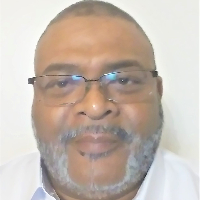
Opree Joyner is a Licensed Clinical Social Worker (LCSW) based in Florida. He brings five years of clinical experience helping people manage anxiety, depression, addiction concerns, relationship struggles, and anger. He focuses on practical steps people can use now rather than long lectures or jargon.
He aims for an empathetic, client-centered approach that treats each person with respect. Sessions tend to be straightforward and solution-focused, with attention to feelings and behavior.
Background and approach
He works with people from different backgrounds and life stages who are facing trauma, grief, or big life changes. In therapy he helps clients pinpoint what gets in the way of daily functioning and try new ways of coping. That can mean building skills for stress, improving communication, or addressing self-esteem and intimacy-related issues.
He also supports people dealing with sleep or eating concerns, career stress, and relationship strain. Opree uses a mix of methods such as acceptance and commitment ideas, attachment-based perspectives, cognitive behavioral techniques, and skills from dialectical behavior therapy. He adapts tools to the person’s goals and pace rather than following a single formula.
Many people seek him out for help after a loss, during a relapse, or while navigating separation and major life transitions. His work emphasizes small, sustainable changes that improve daily life and emotional balance. He encourages clients to set clear goals and practice new skills between sessions.
What Opree works with
Everything Opree lists, in the therapist's own terms. Anger is the reason this directory exists; the rest tells you what usually sits alongside it in Opree's practice.
- Addictions
- Relationship issues
- Self esteem
- Depression
- Coping with life changes
- Stress, Anxiety
- LGBT
- Family conflicts
- Trauma and abuse
- Grief
- Intimacy-related issues
- Eating disorders
- Sleeping disorders
- Parenting issues
- Anger management
- Career difficulties
- Bipolar disorder
- Abandonment
- Aging and geriatric issues
- Blended family issues
- Cancer
- Caregiver issues and stress
- Codependency
- Communication problems
- Control issues
- Divorce and separation
- Forgiveness
- Isolation / loneliness
- Life purpose
- Multicultural concerns
- Post-traumatic stress
- Self-love
Approaches Opree lists
- Acceptance and Commitment Therapy (ACT)
- Attachment-Based Therapy
- Client-Centered Therapy
- Cognitive Behavioral Therapy (CBT)
- Dialectical Behavior Therapy (DBT)
- Emotionally-Focused Therapy (EFT)
- Mindfulness Therapy
- Motivational Interviewing
- Narrative Therapy
- Solution-Focused Therapy
- Trauma-Focused Therapy
Listing an approach is not evidence of training in it. This directory copies what each therapist names and does not check training records.
How his approaches translate to online work
Acceptance and Commitment Therapy (ACT) focuses on helping people accept difficult thoughts and feelings while taking action toward what matters. It can help with anxiety, depression, addiction-related urges, and anger by teaching values-based steps. Cognitive Behavioral Therapy (CBT) looks at the links between thoughts, feelings, and behaviors and teaches practical tools to change unhelpful patterns. CBT is useful for stress, sleep or eating problems, and mood concerns. Dialectical Behavior Therapy (DBT) offers skills for emotion regulation, distress tolerance, and interpersonal effectiveness and can help people who struggle with intense reactions or relationship conflicts.Finding the right approach is part of the work together. He will talk with each person about their goals, preferences, and daily challenges and then suggest methods that fit. Treatment is collaborative and adjusted over time to match progress and changing needs.
Online formats make it easier to keep therapy consistent. Video calls allow face-to-face conversation and screen sharing for worksheets. Phone sessions are good when bandwidth is low or a shorter check-in is needed. Live chat and text-based messaging let people check in between sessions, share updates, or get coaching on coping skills. These options provide flexibility so therapy can fit around work, caregiving, or travel.
Questions people ask about Opree
What concerns does Opree address?
He works with a broad range of issues including anxiety, depression, addictions, relationship and intimacy concerns, anger, trauma, grief, sleep and eating problems, and stress related to life changes.
What is his therapy style like?
His approach is empathetic and client-centered with a solution-focused orientation. He emphasizes practical skills and clear steps clients can try between sessions.
How much clinical experience does he have?
He holds a Licensed Clinical Social Worker credential and has five years of experience providing psychotherapy in Florida.
Where is he based and licensed?
He is licensed as an LCSW in Florida and practices from that state.
Which languages are supported for sessions?
Sessions are offered in English and he accepts clients from outside the United States.
What formats are available for sessions?
He offers video calls, phone sessions, live chat, and text-based messaging to suit different schedules and needs.
How are costs handled for sessions?
Costs vary by location and therapist availability and sessions are provided through a subscription model that can be canceled at any time.
How do I begin working with him?
Start by selecting the Start Therapy button, complete a short matching questionnaire, and then schedule sessions according to therapist availability.