Works with
- Anger
- Stress, Anxiety
- Addictions
- Relationship issues
- Eating disorders
- Depression
How Patti works
Practical facts
- Credentials
- LCPC
- Licensed in
- Illinois
- Years in practice
- 3
- Languages
- English
- Session format
- Online, through our partner platform
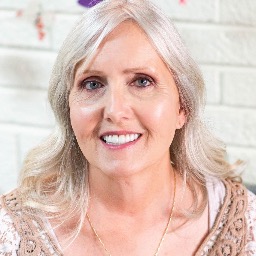
About Patti
Patti Hampsten is a Licensed Clinical Professional Counselor (LCPC) based in Illinois who favors a client-centered way of working. She begins by meeting people where they are, listening without judgment, and helping them name what feels difficult. Her approach is conversational and down-to-earth so people can talk honestly about stress, anger, addiction, grief, or changes in life.
Patti draws on motivational interviewing early in the process to clarify goals and build momentum.
Background and approach
She also uses cognitive behavioral techniques to spot patterns that keep problems stuck. Dialectical behavior therapy skills and mindfulness tools are added when people need emotion regulation, distress-tolerance, or grounding practices. Her background includes work in community mental health and independent practice, with experience supporting people who face substance use concerns, trauma, relationship strain, body image and eating issues, and caregiver stress.
Patti has spent time providing clinical supervision for problem-solving court programs, including drug court, mental health court, and veterans court. Sessions are oriented toward practical skills and small, achievable steps. Conversations typically focus on what matters most to the person and on building a toolbox of coping strategies they can use between meetings.
The style is informal and supportive rather than formal or scripted. People who reach out can expect collaboration on goals, flexible use of therapy methods, and a focus on real-world changes. Patti aims to help people leave sessions with at least one useful strategy and a clearer next step.
What Patti works with
Everything Patti lists, in the therapist's own terms. Anger is the reason this directory exists; the rest tells you what usually sits alongside it in Patti's practice.
- Stress, Anxiety
- Addictions
- Relationship issues
- Eating disorders
- Depression
- LGBT
- Family conflicts
- Trauma and abuse
- Grief
- Parenting issues
- Anger management
- Self esteem
- Career difficulties
- Bipolar disorder
- Coping with life changes
- Compassion fatigue
- Blended family issues
- Body image
- Caregiver issues and stress
- Codependency
- Communication problems
- Divorce and separation
- Drug and alcohol addiction
- Eating and food-related issues
- Family of origin issues
- Family problems
- First responder issues
- Hospice and end-of-life counseling
- Infidelity
- Midlife crisis
- Panic disorder and panic attacks
- Post-traumatic stress
- Process addiction (porn, exercise, gambling)
- Seasonal Affective Disorder (SAD)
- Women's issues
- Workplace issues
- Young adult issues
Approaches Patti lists
- Client-Centered Therapy
- Cognitive Behavioral Therapy (CBT)
- Dialectical Behavior Therapy (DBT)
- Mindfulness Therapy
- Motivational Interviewing
- Solution-Focused Therapy
Listing an approach is not evidence of training in it. This directory copies what each therapist names and does not check training records.
How client-centered and skills-based therapy works online
Patti commonly blends client-centered work with cognitive behavioral techniques and dialectical behavior therapy skills. Client-centered therapy focuses on listening and building a trusting relationship so people can speak openly about what’s bothering them and decide their own goals. Cognitive behavioral therapy helps identify unhelpful thoughts and behaviors and replace them with more effective patterns. Dialectical behavior therapy offers concrete skills for managing strong emotions, tolerating distress, and improving interpersonal communication.Finding the right mix of approaches is part of the process and is decided collaboratively. Patti will start by asking about what you want to change and what methods feel useful, then suggest strategies to try. Together you’ll track progress and shift methods as goals evolve rather than following a fixed plan.
Online formats include video calls, phone sessions, live chat, and text-based messaging. Video sessions allow face-to-face conversation and teachable moments for practicing skills. Phone sessions are handy when bandwidth is limited or when a quick check-in fits into a busy day. Live chat and messaging let people send short updates, ask questions between sessions, or try brief skills coaching without scheduling a full session. These options make it easier to fit therapy into work, caregiving, or other demands while keeping focus on practical tools and steady progress.
Questions people ask about Patti
What kinds of problems does Patti help with?
Patti works with a wide range of concerns including stress, anxiety, addictions, anger, depression, grief, trauma, relationship and parenting issues, eating concerns, and career or life transitions.
How would you describe her therapy style?
Her style is casual and inviting. She starts with a client-centered approach and uses motivational interviewing to set goals, then adds skills-based methods as needed.
What is her professional background?
She has experience in community mental health and independent practice and has provided clinical supervision for problem-solving court participants in drug court, mental health court, and veterans court.
Where is she licensed and practicing?
She holds an Illinois Licensed Clinical Professional Counselor credential, listed as IL LCPC, and practices with clients located in Illinois.
Can I work with her if I live outside the United States?
Sessions are offered in English and she accepts international clients, so people outside the U.S. may work with her subject to scheduling and regional rules.
What session formats are available?
She offers video calls, phone sessions, live chat, and text-based messaging to provide flexible ways to connect.
How are fees handled?
Cost varies with location and therapist availability; sessions are delivered through a subscription model that can be canceled at any time.
How do I begin working with her?
To get started, select the Start Therapy button, complete a short matching questionnaire, and then schedule sessions according to therapist availability.