Works with
- Anger
- Stress, Anxiety
- Relationship issues
- Trauma and abuse
- Grief
- Depression
How Prisca works
Practical facts
- Credentials
- LICSW
- Licensed in
- Minnesota
- Years in practice
- 13
- Languages
- English
- Session format
- Online, through our partner platform
About Prisca
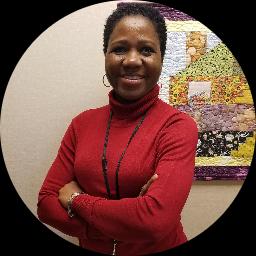
Prisca Okeahialam-swaray is a licensed independent clinical social worker with 13 years of professional experience based in Minnesota. She focuses on helping people handle stress, anxiety, grief, depression, anger, and relationship concerns. Prisca approaches each person with respect and the belief that they are the expert on their own life.
She centers sessions on the client's strengths and goals. That means practical steps and gentle reflection rather than lengthy theory.
Background and approach
Prisca emphasizes clear communication and helps clients name what matters most to them. Many people come for help after loss, trauma, or big life changes. She offers ways to manage strong emotions, reduce impulsivity, and cope when mood or attention feel overwhelming.
Prisca also addresses issues like parenting strain, family problems, and cultural or immigration-related stress. Her work draws on approaches that encourage active problem solving and personal meaning. She uses strategies to shift unhelpful thoughts and to build skills for handling intense feelings.
Sessions aim to leave people with tools they can use between meetings. Prisca sees therapy as a collaborative process. She supports clients as they try new behaviors, practice coping techniques, and rewrite parts of their story that cause pain.
The goal is steady progress toward a more manageable day-to-day life.
What Prisca works with
Everything Prisca lists, in the therapist's own terms. Anger is the reason this directory exists; the rest tells you what usually sits alongside it in Prisca's practice.
- Stress, Anxiety
- Relationship issues
- Trauma and abuse
- Grief
- Depression
- Family conflicts
- Parenting issues
- Anger management
- Self esteem
- Bipolar disorder
- Coping with life changes
- ADHD
- Communication problems
- Domestic violence
- Emptiness
- Family problems
- Forgiveness
- Guilt and shame
- Immigration issues
- Impulsivity
- Isolation / loneliness
- Life purpose
- Mood disorders
- Multicultural concerns
- Obsessions, compulsions, and OCD
- Panic disorder and panic attacks
- Paranoia
- Post-traumatic stress
- Seasonal Affective Disorder (SAD)
- Self-love
- Social anxiety and phobia
Approaches Prisca lists
- Client-Centered Therapy
- Cognitive Behavioral Therapy (CBT)
- Dialectical Behavior Therapy (DBT)
- Motivational Interviewing
- Narrative Therapy
- Solution-Focused Therapy
- Trauma-Focused Therapy
Listing an approach is not evidence of training in it. This directory copies what each therapist names and does not check training records.
How these approaches are used in online sessions
Client-Centered Therapy focuses on listening, empathy, and supporting the client's own goals. In practice that means the therapist reflects what the person says, asks helpful questions, and follows the client's lead to build trust and clarity.Cognitive Behavioral Therapy, or CBT, helps people notice and change thoughts and behaviors that make problems worse. It often uses short exercises, thought records, and behavior experiments to reduce anxiety, depression, or anger over time.
Dialectical Behavior Therapy, or DBT, teaches practical emotion regulation, distress tolerance, and interpersonal skills. Those tools can be useful for managing strong reactions, impulsivity, and relationship patterns.
Finding the right approach is a joint process. The therapist will talk with the client about goals, try methods that fit those goals, and adjust the plan as needed. Clients are invited to give feedback so sessions stay useful and relevant.
Online therapy options include video calls, phone sessions, live chat, and text-based messaging. Video sessions allow face-to-face conversation and visual cues. Phone sessions can work when a stable internet connection is not available or for quick check-ins. Live chat and messaging offer flexible, shorter exchanges for ongoing support and skill practice between meetings.
Questions people ask about Prisca
What concerns does Prisca address?
She helps people with stress, anxiety, depression, grief, trauma and abuse, anger, relationship issues, bipolar disorder, ADHD, and related mood or behavior challenges.
What is her therapy style like?
Sessions are collaborative and practical. She centers on strengths, works on clear communication, and teaches skills to manage emotions and impulsive reactions.
How much experience does she have?
She has 13 years of professional experience working with a range of mood, stress, and life-change concerns.
Where is she licensed and based?
Prisca holds a Minnesota licensed independent clinical social worker credential, listed as LICSW, and practices from Minnesota.
Which languages are supported in sessions?
Sessions are offered in English.
What session formats are available?
She offers video calls, phone sessions, live chat, and text-based messaging to match different needs and schedules.
How does cost work for sessions?
Cost varies with location and therapist availability; sessions use a subscription model that can be canceled at any time.
What are the first steps to begin therapy?
Press the Start Therapy button, complete a short matching questionnaire, and then schedule sessions based on therapist availability.