Works with
- Anger
- Stress, Anxiety
- Addictions
- Trauma and abuse
- Sleeping disorders
- Depression
How Rachael works
Practical facts
- Credentials
- LCSW
- Licensed in
- Alaska
- Years in practice
- 24
- Languages
- English, Spanish
- Session format
- Online, through our partner platform
About Rachael
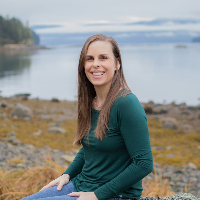
Rachael Woods is a Licensed Clinical Social Worker who focuses on helping people manage strong feelings and tough life moments. She offers calm, steady support for anger, anxiety, depression, grief, addictions, sleep problems, and related concerns. Rachael works in English and Spanish and brings 24 years of experience in clinical social work in Alaska.
Rachael uses a client-centered style that puts a person's goals first. She listens closely and helps people notice patterns that keep them stuck.
Background and approach
Her approach also draws on cognitive behavioral techniques to change unhelpful thoughts and behaviors. She uses motivational interviewing to build readiness for change and solution-focused methods to create practical next steps. People who have experienced trauma or abuse can find EMDR and trauma-focused strategies useful in sessions with her.
She also supports those dealing with ADHD, compassion fatigue, relationship strain, parenting and family problems, and eating or substance concerns. Rachael adapts her tools to match what each person needs in the moment. Sessions may include short skill-building exercises, thought tracking, and planning concrete steps between meetings.
She aims to help people calm intense reactions, manage cravings, improve sleep, and rebuild routines that support day-to-day functioning. Her work often centers on helping people notice small wins and keep going. Rachael believes therapy is a collaboration.
She helps clients set clear goals and adjusts her methods as progress and needs change. Her long experience in Alaska informs a practical, down-to-earth style focused on useful change.
What Rachael works with
Everything Rachael lists, in the therapist's own terms. Anger is the reason this directory exists; the rest tells you what usually sits alongside it in Rachael's practice.
- Stress, Anxiety
- Addictions
- Trauma and abuse
- Sleeping disorders
- Depression
- LGBT
- Relationship issues
- Family conflicts
- Grief
- Eating disorders
- Anger management
- Self esteem
- Compassion fatigue
- ADHD
- Adoption and foster care
- Drug and alcohol addiction
- Family problems
- Mood disorders
- Panic disorder and panic attacks
- Post-traumatic stress
- Seasonal Affective Disorder (SAD)
- Self-harm
- Smoking / vaping cessation
- Social anxiety and phobia
- Young adult issues
Approaches Rachael lists
- Client-Centered Therapy
- Cognitive Behavioral Therapy (CBT)
- Eye Movement Desensitization and Reprocessing (EMDR)
- Motivational Interviewing
- Solution-Focused Therapy
- Trauma-Focused Therapy
- Internal Family Systems
Listing an approach is not evidence of training in it. This directory copies what each therapist names and does not check training records.
How Rachael’s Approaches Work Online
Rachael commonly uses client-centered therapy and cognitive behavioral therapy in sessions. Client-centered therapy focuses on listening and following the client’s lead, helping people clarify goals and feel understood. Cognitive behavioral therapy looks at how thoughts and behaviors interact and teaches practical skills for changing unhelpful patterns.She also draws on EMDR for people who have trauma-related symptoms. EMDR uses guided attention to help the brain process distressing memories and reduce their emotional charge; it is often used alongside other trauma-focused techniques. Rachael will discuss these options and recommend what fits your situation and comfort level.
Finding the right approach is part of the work. She partners with each person to pick methods that match their needs, goals, and preferences. That collaborative process can change as progress is made, so the treatment plan is flexible and reviewed together.
Online therapy lets people connect in ways that fit their life. Video calls are useful for in-depth sessions that include eye contact and visual cues. Phone sessions can be easier when bandwidth is limited or when a shorter check-in fits a break at work. Live chat and text-based messaging work well for brief check-ins, homework, or when written reflection feels most helpful. These options make scheduling easier and help therapy fit into daily routines.
Questions people ask about Rachael
What concerns does Rachael help with?
She helps people with stress, anxiety, anger, depression, grief, addictions, sleep problems, self-esteem, and related issues such as ADHD and compassion fatigue.
What is her therapeutic style like?
Rachael uses a client-centered style and adds techniques from cognitive behavioral therapy and motivational interviewing to build skills and momentum toward change.
How much experience does she have?
Rachael has 24 years of experience as a licensed clinical social worker working with a wide range of concerns.
What are her credentials and where is she located?
She is an LCSW licensed in Alaska and practices with experience rooted in that state.
Which languages are supported in sessions?
Sessions are offered in English and Spanish.
What session formats are available?
Appointments can take place by video calls, phone sessions, live chat, or text-based messaging.
How does pricing work for sessions?
Cost varies with location and therapist availability; sessions use a subscription that can be canceled at any time.
How do I begin working with Rachael?
Start by selecting the Start Therapy button, complete a short matching questionnaire, and schedule according to therapist availability.