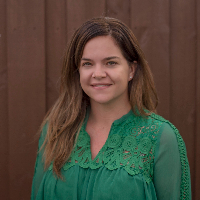
Rachel Marmor, LMHC, LCMHC
Compassionate practical strategies for stronger emotional control
Book with RachelHow Rachel works
Practical facts
- Credentials
- LMHC, LCMHC
- Licensed in
- Florida, New Hampshire
- Years in practice
- 12
- Languages
- English
- Session format
- Online, through our partner platform
About Rachel
Rachel Marmor is a licensed mental health counselor who uses practical, evidence-informed methods to help people manage stress, anxiety, anger, and life changes. She brings 12 years of experience and a calm, straightforward style to sessions. Rachel works in Florida and offers online options for people who need flexible care.
She focuses on what is happening now and what can change. Sessions aim to clarify immediate goals and build simple skills for coping with strong emotions, cravings, or relationship strain.
Background and approach
Rachel listens without judgment and helps people try small steps between meetings. Her experience includes working with depression, trauma and abuse, addictions, parenting concerns, and issues related to identity and relationships. She also supports people dealing with grief, sleep and eating problems, attention concerns, and career stress.
Rachel has worked with a wide range of clinical needs over her career. Rachel combines approaches such as acceptance and commitment techniques, cognitive behavioral strategies, and mindfulness so clients can develop useful habits and clearer thinking. She may also use emotionally-focused and Gottman-informed ideas when relationship topics are central.
Treatment plans are tailored to each person’s priorities. People who choose Rachel can expect a collaborative process. She helps set short-term targets and builds toward longer-term change at a comfortable pace.
The emphasis is on practical tools, clearer communication, and steadier emotional control.
What Rachel works with
Everything Rachel lists, in the therapist's own terms. Anger is the reason this directory exists; the rest tells you what usually sits alongside it in Rachel's practice.
- Stress, Anxiety
- Addictions
- Trauma and abuse
- Depression
- Coping with life changes
- LGBT
- Relationship issues
- Family conflicts
- Grief
- Intimacy-related issues
- Eating disorders
- Sleeping disorders
- Parenting issues
- Anger management
- Self esteem
- Career difficulties
- Bipolar disorder
- Compassion fatigue
- ADHD
- Abandonment
- Attachment issues
- Blended family issues
- Codependency
- Communication problems
- Control issues
- Coping with natural or human-caused disaster
- Drug and alcohol addiction
- Eating and food-related issues
- Impulsivity
- Isolation / loneliness
- Sexual assault and abuse
- Women's issues
Approaches Rachel lists
- Acceptance and Commitment Therapy (ACT)
- Cognitive Behavioral Therapy (CBT)
- Emotionally-Focused Therapy (EFT)
- Gottman Method
- Mindfulness Therapy
- Motivational Interviewing
- Solution-Focused Therapy
Listing an approach is not evidence of training in it. This directory copies what each therapist names and does not check training records.
Therapeutic approaches and how they work online
Acceptance and Commitment Therapy helps people notice difficult thoughts and feelings without getting stuck in them, then choose actions that match their values. It is useful for anxiety, stress, anger, and making life changes. Cognitive Behavioral Therapy focuses on identifying unhelpful thinking and behavior patterns and practicing small changes that ease mood and reduce impulsive reactions. It is often used for depression, anxiety, and anger management. Emotionally-Focused Therapy concentrates on understanding and expressing emotions clearly to improve important relationships and reduce hurtful cycles.Choosing the right approach is a shared process. The therapist will talk with the client about current problems, goals, and preferences, then try methods that seem likely to help. Adjustments are made as progress is reviewed so the plan stays practical and focused on what the person needs.
Online therapy offers several practical benefits. Video calls allow face-to-face conversation when visual cues matter. Phone sessions work well when bandwidth is limited or a shorter check-in is needed. Live chat and text-based messaging can fit into busy days and support quick reflections or skill practice between sessions. These options make it easier to keep momentum and use therapy tools in real life.
Questions people ask about Rachel
What kinds of concerns does Rachel help address?
Rachel works with people facing stress, anxiety, anger, depression, addictions, trauma, relationship and family issues, grief, parenting strains, eating and sleeping problems, ADHD symptoms, and related concerns.
What is her general therapy style?
She uses a collaborative, individual approach that mixes acceptance and commitment ideas, cognitive behavioral tools, and mindfulness to build practical skills and clearer thinking.
How much experience does she have?
Rachel has 12 years of experience in the mental health field working with a broad range of clinical concerns and severities.
What credentials and location are listed?
She is a licensed mental health counselor with credentials LMHC and LCMHC and practices in Florida.
Which languages are offered and are international clients supported?
Sessions are offered in English and international clients are accepted.
What session formats are available?
Rachel offers video calls, phone sessions, live chat, and text-based messaging to fit different schedules and communication needs.
How does pricing work for sessions?
Cost varies with location and therapist availability; sessions are provided through a subscription model that can be canceled at any time.
What are the first steps to start therapy?
Begin by selecting the Start Therapy button, complete a short matching questionnaire, and then schedule sessions according to the therapist’s availability.