Works with
- Anger
- Career difficulties
- Coping with life changes
How Robbie works
Practical facts
- Credentials
- LPC
- Licensed in
- Georgia, Mississippi
- Years in practice
- 25
- Languages
- English
- Session format
- Online, through our partner platform
About Robbie
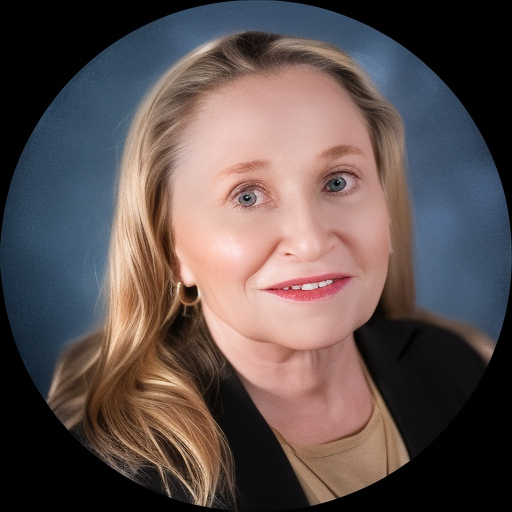
Robbie Ouzts is a Licensed Professional Counselor (LPC) based in Georgia with 25 years of experience. She combines counseling and coaching to help people facing career shifts, stress, anxiety, addictions, grief, anger, and related concerns. Robbie writes plainly and meets people where they are, inviting straightforward conversations about goals and barriers.
Robbie learned from both sides of the helping relationship, as a counselor and a coach. That background shapes her practical approach.
Background and approach
Sessions focus on clear steps rather than abstract theories. She emphasizes respect, sensitivity, and a nonjudgmental tone. She uses client-centered work to follow the person’s priorities and cognitive behavioral methods to address unhelpful thinking and behaviors.
Those approaches are used to manage mood, cope with life changes, and build better habits. Robbie also supports people dealing with ADHD, bipolar disorder, depression, obsessive thinking, and trauma-related stress. Her experience includes work with adults in transition, students at several degree levels, and people navigating mid-career change.
Robbie also brings perspective from recruiting and consulting, which she applies to career-related conversations and coaching. She pays attention to multicultural factors and issues such as prejudice, veteran concerns, and hearing impairment. Robbie offers a collaborative, action-oriented style.
She helps clients set goals, try new strategies, and track progress. For someone who wants clear steps to manage anger, improve focus, or find purpose, her sessions aim to be practical and down-to-earth.
What Robbie works with
Everything Robbie lists, in the therapist's own terms. Anger is the reason this directory exists; the rest tells you what usually sits alongside it in Robbie's practice.
- Career difficulties
- Coping with life changes
- Stress, Anxiety
- Addictions
- LGBT
- Trauma and abuse
- Grief
- Anger management
- Self esteem
- Bipolar disorder
- Depression
- Coaching
- ADHD
- Aging and geriatric issues
- Caregiver issues and stress
- Emptiness
- Family problems
- Guilt and shame
- Hearing impaired
- Life purpose
- Veteran and Armed Forces Issues
- Multicultural concerns
- Obsessions, compulsions, and OCD
- Post-traumatic stress
- Prejudice and discrimination
- Seasonal Affective Disorder (SAD)
- Self-love
- Women's issues
- Workplace issues
- Young adult issues
Approaches Robbie lists
Listing an approach is not evidence of training in it. This directory copies what each therapist names and does not check training records.
How Robbie Uses Client-Centered Work and CBT Online
Robbie uses client-centered therapy to place the client's goals and values at the center of each session. This means she listens closely, follows what matters most to the person, and adapts sessions to individual priorities. Client-centered work helps when someone needs support sorting values, life purpose, or relationship decisions.She also applies cognitive behavioral therapy, which focuses on identifying unhelpful thoughts and changing behaviors that keep problems going. CBT is often used to manage anxiety, depression, anger, and habits tied to addictions or obsessive thinking. Sessions include practical exercises and simple strategies to try between appointments.
Finding the right approach is a collaborative process. Robbie will talk with each person about their needs, goals, and preferences and then recommend ways to work together. She adjusts methods over time based on what helps the individual make progress.
Online sessions are offered by video call, phone, live chat, or text-based messaging to make therapy more flexible. Video calls let people maintain visual connection for deeper conversations. Phone sessions can be a good lower-bandwidth option or fit into a work break. Live chat and text are useful for shorter check-ins, written reflections, or ongoing coaching-style touchpoints. These options help people fit support into busy lives and keep momentum between meetings.
Questions people ask about Robbie
What kinds of problems can Robbie help with?
She works with concerns including career transitions, stress, anxiety, addictions, grief, anger, self-esteem, bipolar disorder, depression, ADHD, and trauma-related issues.
What is her general approach in sessions?
Robbie uses a collaborative, interactive style that follows the client’s priorities and applies practical strategies to day-to-day problems.
How much experience does she bring?
Robbie has 25 years of professional experience in counseling, coaching, recruiting, and consulting.
What are her credentials and where is she located?
She holds MS LPC credentials and practices in Georgia as a Licensed Professional Counselor.
Which languages are supported for sessions?
Sessions are offered in English.
Can people outside the United States meet with her?
International clients are not currently accepted.
What formats are available for online sessions?
Session formats include video calls, phone sessions, live chat, and text-based messaging.
How does cost and scheduling work?
Cost varies with location and therapist availability and uses a subscription model that can be canceled at any time; to begin, complete the short matching questionnaire and schedule a session.