Works with
- Anger
- Stress, Anxiety
- Family conflicts
- Grief
- Depression
- Coping with life changes
How Robin works
Practical facts
- Credentials
- LISW
- Licensed in
- Ohio
- Years in practice
- 20
- Languages
- English
- Session format
- Online, through our partner platform
About Robin
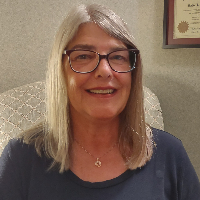
Robin Marraccini is a Licensed Independent Social Worker (LISW) with 20 years of clinical experience. She focuses on helping people manage stress, anger, anxiety, grief, and major life changes. Her tone is warm and straightforward, and she aims to listen first and then work with each person to find practical ways forward.
Robin uses a mix of approaches chosen to fit the person in front of her. Sessions are tailored and structured around each person's goals.
Background and approach
She pays attention to how physical, emotional, mental, and spiritual factors interact and looks for tools that can be used day to day. Her background includes long experience with relationship and intimacy challenges, parenting concerns, adoption and foster care issues, and chronic illness or caregiving stress. She also helps people facing career transitions, self-esteem struggles, and compassion fatigue.
Those coping with trauma, abuse, loss, or major health changes can expect focused, goal-oriented conversations. Robin describes her style as warm and laid back, but willing to address difficult topics directly when needed. She draws on methods such as cognitive behavioral ideas, attachment-focused work, dialectical skills, and emotionally-focused techniques to help people change patterns and respond differently to stress.
People who choose Robin will find a practitioner who listens, offers concrete strategies, and encourages collaboration. She invites clients to try tools in their daily life and to bring back what does and does not work so the plan can be adjusted together.
What Robin works with
Everything Robin lists, in the therapist's own terms. Anger is the reason this directory exists; the rest tells you what usually sits alongside it in Robin's practice.
- Stress, Anxiety
- Family conflicts
- Grief
- Depression
- Coping with life changes
- Relationship issues
- Trauma and abuse
- Intimacy-related issues
- Parenting issues
- Anger management
- Self esteem
- Career difficulties
- Bipolar disorder
- Compassion fatigue
- Abandonment
- Adoption and foster care
- Aging and geriatric issues
- Attachment issues
- Blended family issues
- Body image
- Cancer
- Caregiver issues and stress
- Chronic pain, illness, and disability
- Codependency
- Commitment issues
- Communication problems
- Control issues
- Coping with natural or human-caused disaster
- Dependent personality
- Divorce and separation
- Domestic violence
- Emptiness
- Family of origin issues
- Family problems
- First responder issues
- Forgiveness
- Guilt and shame
- Hospice and end-of-life counseling
- Impulsivity
- Infidelity
- Isolation / loneliness
- Jealousy
- Life purpose
- Midlife crisis
- Mood disorders
- Phobias
- Postpartum depression
- Post-traumatic stress
- Seasonal Affective Disorder (SAD)
- Women's issues
- Workplace issues
- Young adult issues
Approaches Robin lists
- Attachment-Based Therapy
- Client-Centered Therapy
- Cognitive Behavioral Therapy (CBT)
- Dialectical Behavior Therapy (DBT)
- Emotionally-Focused Therapy (EFT)
- Mindfulness Therapy
- Narrative Therapy
- Solution-Focused Therapy
Listing an approach is not evidence of training in it. This directory copies what each therapist names and does not check training records.
Approaches that guide online work and practical tools
The practice draws on Client-Centered Therapy and Cognitive Behavioral Therapy to guide online sessions. Client-Centered Therapy focuses on listening, empathy, and helping people find their own solutions; it is useful for building trust and exploring values. Cognitive Behavioral Therapy looks at how thoughts, feelings, and actions connect and teaches concrete skills to change unhelpful patterns and reduce symptoms like anxiety or anger.Finding the right approach is collaborative. The therapist will discuss goals, try methods that match those goals, and adjust based on what helps. Clients are invited to give feedback so techniques can be refined, and progress is reviewed together during the work.
Online formats include video calls, phone sessions, live chat, and text-based messaging to increase flexibility. Video calls let people work face to face from different locations. Phone sessions can fit into a busy day or use less bandwidth. Live chat and text messaging are useful for short check-ins, skill practice, or when a written format feels easier. These options make it simpler to fit therapy into daily life while using approaches that focus on skills and relationship work.
Questions people ask about Robin
What concerns does she help with?
She helps people facing stress, anxiety, anger, depression, grief, trauma and relationship or intimacy issues, plus parenting and career challenges.
What is her therapeutic style like?
Her style is warm and laid back while also addressing hard topics directly when needed. Sessions are structured and tailored to each person.
How much clinical experience does she have?
Robin has 20 years of experience as a Licensed Independent Social Worker, working across medical, relational, and life-transition concerns.
What credentials and location are listed?
She holds an Ohio LISW and practices from Ohio.
Which languages are supported?
Sessions are offered in English.
What session formats are used?
She offers video calls, phone sessions, live chat, and text-based messaging to fit different needs and schedules.
How does payment work?
Cost varies with location and therapist availability and uses a subscription model that can be canceled at any time.
How do I begin working with her?
Click the Start Therapy button, complete a short matching questionnaire, and schedule sessions according to the therapist's availability.