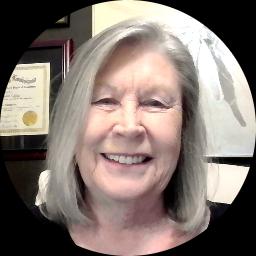
Shirley "Elizabeth" Loftin, LPC
Experienced counselor for strong emotions
Explore online therapy optionsWorks with
- Anger
- Stress, Anxiety
- LGBT
- Trauma and abuse
- Bipolar disorder
- Depression
Practical facts
- Credentials
- LPC
- Licensed in
- Louisiana
- Years in practice
- 40
- Languages
- English
- Session format
- Online, through our partner platform
About Shirley
Shirley "Elizabeth" Loftin is a Licensed Professional Counselor (LPC) based in Louisiana who focuses on helping people manage strong emotions and life stressors. She brings 40 years of clinical experience to sessions and aims to meet people where they are. Shirley believes people have strengths they can build on, and she supports clients as they take steps toward more stable days.
In sessions she listens closely and helps clients identify practical steps they can try between appointments.
Background and approach
Her approach is straightforward and grounded in real-life problems like anxiety, depression, grief, and anger. She also works with people dealing with trauma and post-traumatic stress and with those navigating mood disorders such as bipolar disorder. Shirley uses methods drawn from client-centered work and cognitive behavioral strategies to help people notice patterns, test new ways of thinking, and practice different behaviors.
She also applies trauma-focused ideas when past events are getting in the way of everyday functioning. The work is collaborative and paced to each person's needs. Her experience includes supporting people in the LGBTQ community, those with autism spectrum concerns, caregivers facing stress, and people coping with major life changes or isolation.
Sessions can focus on improving communication, managing panic, resolving grief, or handling compassion fatigue. Shirley offers online options so people across Louisiana can connect by video, phone, live chat, or text messaging. She encourages a first step of completing a short questionnaire to match with her and scheduling a session when ready.
What Shirley works with
Everything Shirley lists, in the therapist's own terms. Anger is the reason this directory exists; the rest tells you what usually sits alongside it in Shirley's practice.
- Stress, Anxiety
- LGBT
- Trauma and abuse
- Bipolar disorder
- Depression
- Relationship issues
- Grief
- Anger management
- Self esteem
- Coping with life changes
- Compassion fatigue
- Aging and geriatric issues
- Autism and Asperger Syndrome
- Caregiver issues and stress
- Codependency
- Communication problems
- Coping with natural or human-caused disaster
- Dissociation
- Divorce and separation
- Family of origin issues
- Gender dysphoria
- Guilt and shame
- Isolation / loneliness
- Mood disorders
- Panic disorder and panic attacks
- Post-traumatic stress
- Seasonal Affective Disorder (SAD)
- Self-love
- Sexual assault and abuse
- Sexuality
- Social anxiety and phobia
- Women's issues
Approaches Shirley lists
Listing an approach is not evidence of training in it. This directory copies what each therapist names and does not check training records.
Approaches that translate to online care
Client-Centered Therapy is about listening and following each person's concerns. The therapist focuses on understanding your perspective and helping you use your own strengths to make changes. Cognitive Behavioral Therapy, or CBT, looks at how thoughts, feelings, and behaviors link together and offers concrete skills to test new thinking and behavior patterns. Trauma-Focused Therapy attends to the ways past events affect current reactions and uses focused strategies to reduce day-to-day distress.Choosing the right approach happens together. The therapist will talk with you about your goals, what feels most important, and any preferences for how to work. Together you can try an approach, adjust it, or combine methods so the work fits your needs and pace.
Online therapy makes these approaches easier to access. Video calls allow full conversations and visual connection. Phone sessions suit people with lower bandwidth or those who prefer not to be on camera. Live chat and text-based messaging let someone check in between sessions or pick a shorter, flexible option. These formats support ongoing work while fitting around work, caregiving, or mobility needs.
Questions people ask about Shirley
What concerns does Shirley work with?
She helps people facing stress, anxiety, depression, grief, anger, trauma and related mood concerns. Her practice also includes LGBTQ issues, caregiver stress, and challenges linked to aging or autism spectrum differences.
What is her therapy style like?
Her style is practical and collaborative. She listens, helps people spot patterns, and suggests small experiments to try between sessions.
How much clinical experience does she have?
She brings 40 years of experience working with a wide range of emotional and behavioral concerns across her career.
Where is she licensed and based?
She is a Licensed Professional Counselor, LPC, licensed in the state of Louisiana and practices from that jurisdiction.
Which languages are supported for sessions?
Sessions are offered in English.
What session formats are available?
Sessions can be conducted by video calls, phone sessions, live chat, or text-based messaging according to client preference.
How is cost handled for sessions?
Cost varies with location and therapist availability; sessions use a subscription model that can be canceled at any time.
How do I begin working with Shirley?
Begin by selecting the Start Therapy button, completing a short matching questionnaire, and scheduling a session based on the therapist's availability.