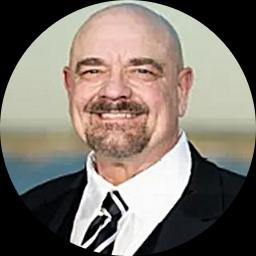
How Thomas works
Practical facts
- Credentials
- LPC
- Licensed in
- Texas
- Years in practice
- 20
- Languages
- English
- Session format
- Online, through our partner platform
About Thomas
Thomas Collins is a Licensed Professional Counselor (LPC) based in Texas with two decades of clinical experience. He helps people who are struggling with stress, anxiety, addictions, anger, grief, depression, and major life changes. He also supports concerns like intimacy, sleep and eating issues, parenting strain, career difficulties, and compassion fatigue.
Thomas keeps conversations direct and respectful. He adapts sessions to each person’s needs rather than using a one-size-fits-all plan.
Background and approach
He emphasizes practical steps people can try between sessions and checks progress regularly. In session he uses approaches drawn from client-centered therapy and cognitive behavioral therapy to help people notice patterns and try different behaviors. He also brings ideas from existential and Jungian perspectives when people want to examine meaning, values, or inner narratives.
Hypnotherapy is an additional tool he may use when appropriate. Thomas has worked in clinical settings for many years and has experience across a wide range of concerns, including chronic illness, grief, first responder stress, and issues tied to abandonment or attachment. He aims to create a calm, steady space where clients can name what’s hard and make manageable changes.
People who choose him can expect a practical, conversational style. He will collaborate on goals and tailor techniques to daily life. The work focuses on improving coping, reducing distressing reactions, and helping people move toward clearer choices and greater stability.
What Thomas works with
Everything Thomas lists, in the therapist's own terms. Anger is the reason this directory exists; the rest tells you what usually sits alongside it in Thomas's practice.
- Stress, Anxiety
- Addictions
- Trauma and abuse
- Grief
- Coping with life changes
- Intimacy-related issues
- Eating disorders
- Sleeping disorders
- Parenting issues
- Anger management
- Self esteem
- Career difficulties
- Bipolar disorder
- Depression
- Coaching
- Compassion fatigue
- Abandonment
- Aging and geriatric issues
- Attachment issues
- Chronic pain, illness, and disability
- Control issues
- Divorce and separation
- Eating and food-related issues
- Emptiness
- Fatherhood issues
- First responder issues
- Forgiveness
- Guilt and shame
- Hospice and end-of-life counseling
- Impulsivity
- Isolation / loneliness
- Life purpose
- Men's issues
- Midlife crisis
- Veteran and Armed Forces Issues
- Mood disorders
- Post-traumatic stress
- Process addiction (porn, exercise, gambling)
- Seasonal Affective Disorder (SAD)
- Self-love
- Sex addiction
- Workplace issues
- Young adult issues
Approaches Thomas lists
- Client-Centered Therapy
- Cognitive Behavioral Therapy (CBT)
- Existential Therapy
- Hypnotherapy
- Jungian Therapy
- Mindfulness Therapy
- Motivational Interviewing
- Psychodynamic Therapy
- Solution-Focused Therapy
- Trauma-Focused Therapy
- Internal Family Systems
Listing an approach is not evidence of training in it. This directory copies what each therapist names and does not check training records.
How Thomas blends therapy approaches for online care
Client-centered therapy focuses on the person and their experience. The therapist listens without judging and follows the client’s lead to build understanding and trust. This approach helps people who feel stuck or unsure about their next steps.Cognitive behavioral therapy (CBT) looks at how thoughts, feelings, and actions connect. It teaches practical tools for changing unhelpful thinking and testing new behaviors. CBT is often useful for anxiety, depression, anger, and coping with change.
Existential ideas are sometimes used to help people explore meaning, values, and life choices. This can be helpful when major transitions, grief, or questions about purpose are involved.
Finding the right approach is part of the work. The therapist will talk with each person about goals, preferences, and what feels most helpful. Together they decide which methods to try and adjust the plan as progress is made.
Online therapy makes it easier to fit sessions into busy lives. Video calls allow face-to-face conversation; phone sessions work well when bandwidth is limited or a shorter check-in is needed. Live chat and text-based messaging support ongoing coaching, quick updates, or people who prefer writing. These options aim to offer flexibility and consistent access to licensed professionals and therapists.
Questions people ask about Thomas
What kinds of problems does Thomas help with?
He supports people dealing with stress, anxiety, addictions, anger, grief, depression, and coping with life changes, plus related concerns like sleep and eating issues, parenting strain, and career difficulties.
What is his approach in therapy?
He uses a conversational, practical style that draws on client-centered and cognitive behavioral methods. Sessions focus on identifying patterns, trying new behaviors, and tracking progress over time.
How much experience does he bring?
He has 20 years of professional experience working with a wide range of clinical concerns and settings.
What credentials and where is he licensed?
He holds the Licensed Professional Counselor credential, listed as LPC in Texas, and practices from Texas.
Which languages are sessions offered in?
Sessions are offered in English.
What session formats are available?
He offers video calls, phone sessions, live chat, and text-based messaging to fit different schedules and preferences.
How does payment and cost work?
Cost varies with location and therapist availability; sessions use a subscription model that can be canceled at any time.
How do I begin working with him?
Click the Start Therapy button, complete a short matching questionnaire, and then schedule sessions based on the therapist's availability.