Works with
- Anger
- Addictions
- Trauma and abuse
- Anger management
- Bipolar disorder
- Depression
How Timothy works
- Not listed
Practical facts
- Credentials
- LPC
- Licensed in
- Georgia
- Years in practice
- 17
- Languages
- English
- Session format
- Online, through our partner platform
About Timothy
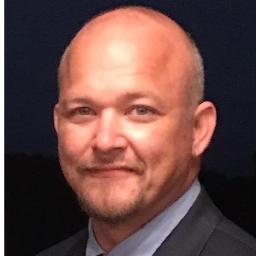
Timothy Hutchinson is a Licensed Professional Counselor (LPC) in Georgia with 17 years of experience. He focuses on helping people manage anger, addiction, depression, bipolar symptoms, and the effects of trauma and abuse. He creates a calm, straightforward space for people to talk about what feels overwhelming and to find practical steps forward.
He uses evidence-based therapeutic techniques to guide conversations and build new coping habits. Sessions often center on understanding triggers, practicing emotion regulation, and improving everyday communication.
Background and approach
Timothy pays attention to guilt, shame, and isolation and helps people reconnect with purpose and self-worth. Many sessions include clear, simple tools to try between meetings. He encourages small, measurable changes that can reduce reactive behavior and improve mood over time.
Work may include learning to notice early signs of anger, testing new ways to respond, and strengthening routines that support stability. Timothy offers a faith-informed perspective when clients want it, while respecting each person's beliefs and goals. He frames progress as a shared effort and adapts the pace to each person's needs.
His style is practical, direct, and supportive. People who reach out can expect focused conversations about what is most pressing. The aim is to reduce distress, increase self-understanding, and develop skills that make daily life easier.
What Timothy works with
Everything Timothy lists, in the therapist's own terms. Anger is the reason this directory exists; the rest tells you what usually sits alongside it in Timothy's practice.
How therapeutic methods translate to online care
Timothy uses evidence-based therapeutic techniques that focus on emotion regulation and coping skills. One common approach teaches people to recognize triggers, pause before reacting, and practice new responses; this helps when anger, mood swings, or impulsive behaviors are a concern. Another approach emphasizes behavioral strategies and routine building to stabilize mood and manage symptoms related to depression or bipolar conditions; it focuses on small daily steps that support consistency and sleep, activity, and social connection.Finding the right approach is part of the work together. He will discuss options, try methods that fit the person's goals, and adjust based on how well those methods are helping. The therapist and client collaborate on goals, homework, and pacing so the plan feels manageable and relevant.
Online formats include video calls, phone sessions, live chat, and text-based messaging to suit different needs. Video calls allow face-to-face interaction for skills practice and coaching, phone sessions can be easier when bandwidth is limited, live chat is useful for brief check-ins, and text messaging supports ongoing reflection between sessions. These options make it easier to fit therapy into a busy life and to continue work even when schedules change.
Questions people ask about Timothy
What concerns does Timothy commonly help with?
He works with people facing addictions, trauma and abuse, anger, bipolar challenges, and depression. He also supports people dealing with communication problems, shame, loneliness, life purpose, and social anxiety.
What is his general therapy style like?
The approach is practical and evidence-based, focusing on clear tools and steps. Sessions emphasize emotion regulation, communication skills, and real-life practice between meetings.
How much experience does he have?
He has 17 years of clinical experience working with individuals on mood, behavior, and relationship-related issues.
What credentials and location are listed for this therapist?
He is a Licensed Professional Counselor (LPC) practicing in Georgia.
Which languages are sessions offered in?
Sessions are offered in English.
Can people outside the U.S. work with him?
He is not currently accepting international clients.
What session formats are available?
He offers video calls, phone sessions, live chat, and text-based messaging to fit different schedules and needs.
How do fees and getting started work?
Cost varies with location and therapist availability and uses a subscription model that can be canceled at any time. To begin, select the Start Therapy button, complete the short matching questionnaire, and schedule according to availability.