Works with
How Tovakyshe works
Practical facts
- Credentials
- LCSW
- Licensed in
- North Carolina
- Years in practice
- 5
- Languages
- English
- Session format
- Online, through our partner platform
About Tovakyshe
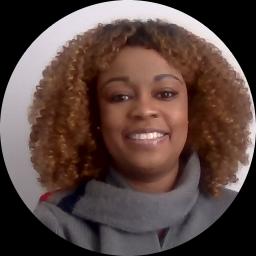
Tovakyshe Woullard is a Licensed Clinical Social Worker with five years as an LCSW in North Carolina. He supports people facing addictions, anger, anxiety, depression, grief, stress, and struggles with self-esteem. He also helps those coping with life changes, career questions, ADHD, and compassion fatigue.
Tovakyshe focuses on practical steps that people can try between sessions. He listens first, then helps set small, doable goals. Sessions generally include talking through patterns, trying new coping skills, and tracking what works over time.
Background and approach
He uses methods drawn from Acceptance and Commitment Therapy and Cognitive Behavioral Therapy to help people notice thoughts and choose actions that match their values. Mindfulness and motivational interviewing also show up in sessions to build awareness and strengthen commitment to change.
Tovakyshe’s background includes broader human services experience and direct work with people who have faced abandonment, foster care, adoption issues, and trauma or abuse. That history shapes a practical style that aims for steady progress rather than quick fixes. People who come to him can expect straightforward feedback and collaborative problem solving.
He helps clients break larger struggles into manageable steps. The goal is clearer choices, improved coping, and more stable day-to-day functioning.
What Tovakyshe works with
Everything Tovakyshe lists, in the therapist's own terms. Anger is the reason this directory exists; the rest tells you what usually sits alongside it in Tovakyshe's practice.
- Addictions
- Grief
- Self esteem
- Coping with life changes
- ADHD
- Stress, Anxiety
- LGBT
- Relationship issues
- Family conflicts
- Trauma and abuse
- Anger management
- Career difficulties
- Depression
- Compassion fatigue
- Abandonment
- Adoption and foster care
- Aging and geriatric issues
- Attachment issues
- Blended family issues
- Body image
- Caregiver issues and stress
- Codependency
- Commitment issues
- Communication problems
- Control issues
- Coping with natural or human-caused disaster
- Dependent personality
- Divorce and separation
- Domestic violence
- Drug and alcohol addiction
- Emptiness
- Family of origin issues
- Family problems
- Fatherhood issues
- Forgiveness
- Guilt and shame
- HIV / AIDS
- Hoarding
- Hospice and end-of-life counseling
- Immigration issues
- Impulsivity
- Infidelity
- Isolation / loneliness
- Jealousy
- Life purpose
- Midlife crisis
- Veteran and Armed Forces Issues
- Mood disorders
- Multicultural concerns
- Paranoia
- Personality disorders
- Prejudice and discrimination
- Self-harm
- Self-love
- Women's issues
- Workplace issues
- Young adult issues
Approaches Tovakyshe lists
- Acceptance and Commitment Therapy (ACT)
- Client-Centered Therapy
- Cognitive Behavioral Therapy (CBT)
- Mindfulness Therapy
- Motivational Interviewing
- Narrative Therapy
- Psychodynamic Therapy
- Solution-Focused Therapy
- Internal Family Systems
Listing an approach is not evidence of training in it. This directory copies what each therapist names and does not check training records.
How evidence-based approaches translate to online care
Acceptance and Commitment Therapy helps people clarify what matters to them and take small steps toward those values, even when difficult thoughts or feelings appear. It is useful for anger, depression, and life transitions. Cognitive Behavioral Therapy looks at the links between thoughts, feelings, and actions and teaches concrete skills to change unhelpful patterns, which can help with anxiety, stress, and addictive behaviors.Choosing an approach is part of the work together. The therapist will talk through goals, try methods in early sessions, and adjust based on what the client finds helpful. That collaborative process helps match techniques to a person’s needs and preferences rather than sticking to a single method.
Online formats available include video calls, phone sessions, live chat, and text-based messaging. Video sessions allow face-to-face conversation and visual cues. Phone sessions can be easier when bandwidth is limited or a shorter check-in is needed. Live chat and messaging support quick touchpoints and ongoing coaching between longer sessions. These options make it easier to fit therapy into a busy life and keep momentum between appointments.
Questions people ask about Tovakyshe
What kinds of problems does this therapist address?
He supports people dealing with addictions, anger, anxiety, depression, grief, stress, self-esteem, ADHD, relationship challenges, trauma and related concerns.
What is his general therapy style?
He uses a straightforward, collaborative approach that focuses on small, practical steps. Sessions combine listening, problem-solving, and skill practice.
How much clinical experience does he have?
He holds an LCSW credential and has five years as an LCSW, with a longer background in human services that informs his work.
Where is he licensed and based?
He is a Licensed Clinical Social Worker (LCSW) licensed in North Carolina and provides services from that state.
Which languages are offered for sessions?
Sessions are offered in English.
What session formats are available?
He provides video calls, phone sessions, live chat, and text-based messaging to fit different needs and schedules.
How are costs and billing handled?
Costs vary with location and therapist availability; sessions use a subscription model that can be canceled at any time.
How do I begin working with him?
Start by selecting the Start Therapy button, complete the short matching questionnaire, and schedule sessions according to the therapist’s availability.