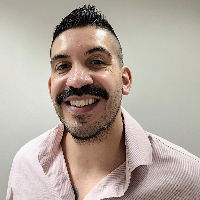
How Zachary works
Practical facts
- Credentials
- LCSW
- Licensed in
- California
- Years in practice
- 5
- Languages
- English
- Session format
- Online, through our partner platform
About Zachary
Zachary Martin is a Licensed Clinical Social Worker who uses practical, person-centered care to help people lower stress and manage strong emotions. He brings five years of outpatient experience and a calm, steady presence to sessions. Zachary meets people where they are and focuses on clear, achievable steps rather than jargon.
He offers video, phone, live chat, and text messaging to make therapy fit day-to-day life. He draws on Client-Centered Therapy to build a respectful, nonjudgmental space.
Background and approach
Cognitive Behavioral Therapy (CBT) is used to identify unhelpful thoughts and try different behaviors. Mindfulness and Motivational Interviewing techniques help people notice patterns and find inner motivation for change. Zachary's background includes work in adult residential settings and foster and adoption services.
He also has experience with inpatient hospitalization and child welfare investigations. Those roles shaped his understanding of how life events, relationships, and systems affect mental health. Common concerns he addresses include anxiety, depression, anger, trauma and abuse, addictions, grief, self-esteem, and coping with life changes.
He also supports people dealing with ADHD, bipolar symptoms, caregiver stress, attachment and family of origin issues, and communication or commitment problems. Originally trained in philosophy and psychology at the bachelor level, he completed a master’s degree in Social Work and holds a California LCSW. That mix of study and varied clinical roles informs his flexible, conversational approach in therapy.
What Zachary works with
Everything Zachary lists, in the therapist's own terms. Anger is the reason this directory exists; the rest tells you what usually sits alongside it in Zachary's practice.
- Stress, Anxiety
- Trauma and abuse
- Self esteem
- Depression
- Coping with life changes
- Addictions
- Relationship issues
- Grief
- Intimacy-related issues
- Anger management
- Career difficulties
- Bipolar disorder
- Compassion fatigue
- ADHD
- Abandonment
- Adoption and foster care
- Aging and geriatric issues
- Attachment issues
- Caregiver issues and stress
- Codependency
- Commitment issues
- Communication problems
- Dissociation
- Divorce and separation
- Domestic violence
- Drug and alcohol addiction
- Emptiness
- Family of origin issues
- Family problems
- Forgiveness
- Guilt and shame
- HIV / AIDS
- Infidelity
- Isolation / loneliness
- Life purpose
- Men's issues
- Midlife crisis
- Postpartum depression
- Sexual assault and abuse
- Social anxiety and phobia
- Women's issues
- Workplace issues
- Young adult issues
Approaches Zachary lists
- Client-Centered Therapy
- Cognitive Behavioral Therapy (CBT)
- Existential Therapy
- Mindfulness Therapy
- Motivational Interviewing
- Narrative Therapy
- Psychodynamic Therapy
- Solution-Focused Therapy
Listing an approach is not evidence of training in it. This directory copies what each therapist names and does not check training records.
Approaches that guide online sessions
Client-Centered Therapy focuses on respectful, accepting listening so people feel heard and can explore what matters most to them. It is helpful when someone needs space to sort feelings and decide priorities. Cognitive Behavioral Therapy (CBT) targets specific thoughts and behaviors. It helps with anxiety, depression, anger, and patterns that keep problems going by teaching simple experiments and new skills. Mindfulness Therapy trains attention to the present moment and bodily sensations. It supports emotion regulation and reduces reactivity to stress.Picking the right approach is part of the work. The therapist will talk with each person about goals, preferences, and what feels useful. They collaborate to try methods and adjust based on what actually helps in daily life rather than sticking rigidly to one technique.
Online formats include video calls, phone sessions, live chat, and text messaging. Video is useful for in-depth conversation and visual cues. Phone sessions work well when bandwidth is low or a quieter routine is needed. Live chat and text messaging allow brief check-ins, ongoing tracking of progress, or support between longer sessions. These options make it easier to fit therapy around work, caregiving, or other commitments while maintaining a steady therapeutic relationship with a licensed professional.
Questions people ask about Zachary
What kinds of problems does Zachary help with?
He works with stress, anxiety, depression, anger, trauma and abuse, addictions, grief, self-esteem, and coping with life changes, among other concerns listed in his specialties.
What is his therapy style like?
Sessions are conversational and practical, using person-centered listening alongside CBT, mindfulness, and motivational techniques to try concrete changes.
How much clinical experience does he have?
He has five years of outpatient practice plus earlier roles in residential care, foster and adoption services, child welfare, and inpatient settings.
Where is he licensed and based?
He is a California LCSW and practices in California.
Which languages are sessions offered in?
Sessions are offered in English.
What formats are available for sessions?
He offers video calls, phone sessions, live chat, and text-based messaging to fit different schedules and needs.
How does billing and cost work?
Cost varies with location and therapist availability; sessions use a subscription model that can be canceled at any time.
How do I get started with therapy?
Click the Start Therapy button, complete a short matching questionnaire, and schedule sessions according to the therapist's availability.