Works with
- Anger
- Stress, Anxiety
- Addictions
- Relationship issues
- Self esteem
- Depression
How Alice works
Practical facts
- Credentials
- LMHC, LPC
- Licensed in
- Iowa, Arizona
- Years in practice
- 10
- Languages
- English
- Session format
- Online, through our partner platform
About Alice
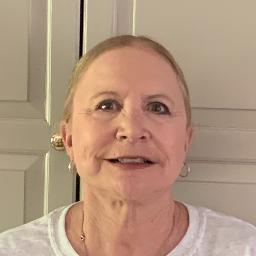
Alice Rock is a licensed mental health counselor and licensed professional counselor who brings ten years of clinical experience to her work. She uses practical approaches to help people manage stress, anger, anxiety, and life transitions. Her style is direct and compassionate, aimed at helping clients find clearer ways to cope and move forward.
Before working in independent practice she spent years providing substance abuse counseling in a hospital setting in Iowa.
Background and approach
She also served as a school counselor for kindergarten through eighth grade and taught college-level psychology courses, including a popular class called Wellness. That mix of settings gave her experience with crisis work, prevention, and teaching skills people can use every day. Alice emphasizes whole-person wellness.
She connects emotional health with basics like sleep, eating, and daily routines. In sessions she helps people spot patterns, build coping skills, and set realistic goals for change. She also supports people dealing with grief, trauma, addiction, and relationship strain.
Her work draws on several approaches including Acceptance and Commitment Therapy, cognitive behavioral ideas, attachment-informed methods, emotionally-focused techniques, and a client-centered stance. She explains tools plainly and practices them together with each person, tailoring choices to what actually helps. Alice works from Arizona and speaks English.
She accepts international clients and offers video calls, phone sessions, live chat, and text-based messaging. Sessions use a subscription that can be canceled at any time and scheduling follows the usual online intake steps.
What Alice works with
Everything Alice lists, in the therapist's own terms. Anger is the reason this directory exists; the rest tells you what usually sits alongside it in Alice's practice.
- Stress, Anxiety
- Addictions
- Relationship issues
- Self esteem
- Depression
- Family conflicts
- Trauma and abuse
- Grief
- Intimacy-related issues
- Eating disorders
- Sleeping disorders
- Parenting issues
- Anger management
- Career difficulties
- Bipolar disorder
- Coping with life changes
- Compassion fatigue
- ADHD
- Abandonment
- Aging and geriatric issues
- Attachment issues
- Codependency
- Communication problems
- Dependent personality
- Divorce and separation
- Drug and alcohol addiction
- Emptiness
- Family of origin issues
- Forgiveness
- Guilt and shame
- Hoarding
- Hospice and end-of-life counseling
- Infidelity
- Isolation / loneliness
- Life purpose
- Midlife crisis
- Veteran and Armed Forces Issues
- Postpartum depression
- Post-traumatic stress
- Self-love
- Women's issues
- Young adult issues
Approaches Alice lists
- Acceptance and Commitment Therapy (ACT)
- Attachment-Based Therapy
- Client-Centered Therapy
- Cognitive Behavioral Therapy (CBT)
- Emotionally-Focused Therapy (EFT)
- Psychodynamic Therapy
- Solution-Focused Therapy
Listing an approach is not evidence of training in it. This directory copies what each therapist names and does not check training records.
Therapeutic approaches that translate well to online care
Alice commonly uses Acceptance and Commitment Therapy and Cognitive Behavioral Therapy in her online sessions. Acceptance and Commitment Therapy focuses on noticing thoughts and feelings without getting stuck in them, then choosing actions that align with personal values; it can help with anxiety, anger, and life changes. Cognitive Behavioral Therapy looks at the links between thoughts, feelings, and behaviors and teaches specific skills to shift unhelpful patterns, which is useful for depression, sleep or eating issues, and stress.Finding the right approach is part of the work together. She will discuss options and try techniques collaboratively, adjusting methods to fit each person’s needs, goals, and preferences. Clients can expect to learn concrete skills and practice them between sessions with guidance from the therapist.
Online therapy offers practical flexibility. Video calls let you work face to face when bandwidth allows. Phone sessions can be a good fit when a shorter check-in is needed or video is not possible. Live chat and text messaging work for brief updates, ongoing skill coaching, or people who prefer typed communication. These formats make it easier to keep therapy consistent around work, family, and other commitments.
Questions people ask about Alice
What concerns does she commonly address?
She helps people with stress, anxiety, anger, addictions, depression, relationship and intimacy issues, grief, trauma, sleeping and eating concerns, parenting strains, career changes, and ADHD among other topics.
What is her approach to therapy?
Alice blends Acceptance and Commitment Therapy, cognitive behavioral techniques, attachment-informed thinking, emotionally-focused methods, and a client-centered attitude to teach practical tools and build healthy habits.
How much clinical experience does she have?
She has ten years of experience, including substance abuse counseling in a hospital setting, school counseling for K-8 students, and teaching college psychology courses.
Where is she based and what are her credentials?
She practices from Arizona and holds LMHC and LPC credentials, listed as IA LMHC and AZ LPC in her documentation.
Which languages are supported in sessions?
Sessions are offered in English, and she accepts international clients who can participate in English-language sessions.
What session formats are offered?
She provides video calls, phone sessions, live chat, and text-based messaging to allow for different schedules and communication preferences.
How are sessions paid for and what does cost look like?
Costs vary with location and therapist availability; sessions use a subscription model that can be canceled at any time.
How do I begin working with her?
To start, select the Start Therapy button, complete a short matching questionnaire, and schedule according to the therapist's availability.