Works with
How Alison works
Practical facts
- Credentials
- LCSW
- Licensed in
- North Carolina
- Years in practice
- 15
- Languages
- English
- Session format
- Online, through our partner platform
About Alison
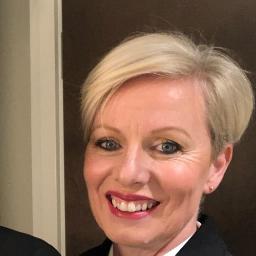
Alison Siepker is a licensed clinical social worker (LCSW) based in North Carolina with 15 years of experience. She focuses on practical strategies to help people facing stress, anxiety, trauma, depression, and anger. Her approach aims to make each session straightforward and usable in daily life.
She draws on Acceptance and Commitment Therapy and Cognitive Behavioral Therapy to help clients notice difficult thoughts and build new patterns of behavior. Client-Centered Therapy informs how she listens and responds, making space for each person’s values and goals.
Background and approach
Dialectical Behavior Therapy and Motivational Interviewing are used when people need skills for intense emotions or to safely consider change. Alison works with concerns such as coping with life changes, compassion fatigue, addictions, sleep problems, grief, and low self-esteem. She also addresses relationship strain, career worries, and issues tied to adoption, abandonment, or family of origin.
First responder issues and HIV / AIDS concerns are included among her focus areas. Her style is collaborative and respectful. Sessions are tailored to what the client needs that week, with a mix of practical skill-building and reflective conversation.
She emphasizes small, achievable steps so progress feels realistic. People who choose her can expect clear goals, regular check-ins on what’s working, and adjustments as needed. Alison encourages clients to set the pace and to bring what matters most into therapy.
What Alison works with
Everything Alison lists, in the therapist's own terms. Anger is the reason this directory exists; the rest tells you what usually sits alongside it in Alison's practice.
- Stress, Anxiety
- Trauma and abuse
- Depression
- Coping with life changes
- Compassion fatigue
- Addictions
- Relationship issues
- Grief
- Sleeping disorders
- Anger management
- Self esteem
- Career difficulties
- Coaching
- Abandonment
- Adoption and foster care
- Body image
- Communication problems
- Divorce and separation
- Family of origin issues
- Family problems
- First responder issues
- Forgiveness
- Gender dysphoria
- Guilt and shame
- HIV / AIDS
- Infidelity
- Isolation / loneliness
- Life purpose
- Midlife crisis
- Veteran and Armed Forces Issues
- Money and financial issues
- Mood disorders
- Multicultural concerns
- Panic disorder and panic attacks
- Postpartum depression
- Post-traumatic stress
- Process addiction (porn, exercise, gambling)
- Self-harm
- Self-love
- Sexual assault and abuse
- Social anxiety and phobia
- Women's issues
- Workplace issues
- Young adult issues
Approaches Alison lists
- Acceptance and Commitment Therapy (ACT)
- Client-Centered Therapy
- Cognitive Behavioral Therapy (CBT)
- Dialectical Behavior Therapy (DBT)
- Motivational Interviewing
- Solution-Focused Therapy
- Trauma-Focused Therapy
Listing an approach is not evidence of training in it. This directory copies what each therapist names and does not check training records.
How therapy approaches translate to online care
Acceptance and Commitment Therapy (ACT) helps people notice painful thoughts and choose actions that match their values. It is useful when someone wants to stop struggling with emotions and start living in a more purposeful way. Cognitive Behavioral Therapy (CBT) focuses on identifying unhelpful thought patterns and testing new behaviors. It is often used for anxiety, depression, sleep issues, and anger to create practical changes in daily routines.Finding the right approach is part of the work together. The therapist will talk with the client about goals, try techniques, and adjust based on what feels most helpful. This collaborative process lets the therapist and client pick tools that fit the person’s needs and preferences rather than sticking to one fixed method.
Online sessions can take place by video call, phone, live chat, or text-based messaging, which makes timing more flexible. Video sessions let people use visual cues and practice skills in real time. Phone sessions can be a good option when bandwidth is limited or when a shorter check-in is needed. Live chat and text messaging support quick check-ins, homework reminders, and ongoing encouragement between longer sessions.
Questions people ask about Alison
What concerns does Alison commonly help with?
She helps people with stress, anxiety, trauma and abuse, depression, anger, coping with life changes, compassion fatigue, addictions, sleep problems, grief, and self-esteem.
What is her therapeutic style like?
Her style is collaborative and straightforward, blending skill teaching with reflective conversation to make changes that fit daily life.
How much clinical experience does she have?
Alison has 15 years of professional experience working in clinical settings and with a wide range of concerns.
Where is she licensed and practicing?
She is a licensed clinical social worker, LCSW, in North Carolina.
Which languages are supported for sessions?
Sessions are offered in English.
Can international clients work with her?
She does not accept international clients at this time.
What session formats are available?
Sessions can be scheduled as video calls, phone sessions, live chat, or text-based messaging.
How are costs and scheduling handled?
Costs vary by location and therapist availability and use a subscription model that can be canceled at any time. To begin, select the Start Therapy button, complete a short matching questionnaire, and schedule according to availability.