Works with
- Anger
- Stress, Anxiety
- Trauma and abuse
- Self esteem
- Career difficulties
- Depression
How Bonneka works
Practical facts
- Credentials
- LPC
- Licensed in
- Wisconsin
- Years in practice
- 10
- Languages
- English
- Session format
- Online, through our partner platform
About Bonneka
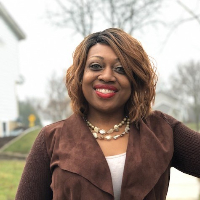
Bonneka Seals is a Licensed Professional Counselor (LPC) who focuses on helping adults manage strong emotions and get unstuck. She offers straightforward support for people dealing with stress, anxiety, anger, addiction, grief, relationship strain, and life transitions. She uses practical, hands-on methods in sessions so clients can see what changes help.
Conversations are collaborative - the therapist and client work together to set goals and try strategies that fit the client's life.
Background and approach
Sessions emphasize building self-awareness, healthier habits, and new ways to react when emotions flare. Bonneka draws on several well-known approaches including cognitive behavioral strategies and acceptance-based work to address patterns that keep people feeling overwhelmed. She also uses client-centered and emotionally focused methods to strengthen how people relate to themselves and others.
These tools are aimed at practical skills like emotion regulation, stress management, and clearer communication. Her background includes a decade of clinical experience in Wisconsin, supporting people through trauma, substance concerns, mood challenges, and major life shifts. She frames therapy as teamwork and encourages clients to take an active role in their progress.
The emphasis is on steady changes that fit daily life rather than quick fixes. Clients can expect short-term coping skills alongside longer-term work on deeper patterns. Bonneka explains methods in simple terms and helps people try exercises between sessions.
The goal is better emotional control, improved relationships, and more confidence in handling future challenges.
What Bonneka works with
Everything Bonneka lists, in the therapist's own terms. Anger is the reason this directory exists; the rest tells you what usually sits alongside it in Bonneka's practice.
- Stress, Anxiety
- Trauma and abuse
- Self esteem
- Career difficulties
- Depression
- Addictions
- LGBT
- Relationship issues
- Family conflicts
- Grief
- Intimacy-related issues
- Sleeping disorders
- Parenting issues
- Anger management
- Bipolar disorder
- Coping with life changes
- Coaching
- Compassion fatigue
- ADHD
- Abandonment
- Blended family issues
- Communication problems
- Control issues
- Dependent personality
- Divorce and separation
- Domestic violence
- Drug and alcohol addiction
- Family problems
- Forgiveness
- Guilt and shame
- Impulsivity
- Infidelity
- Isolation / loneliness
- Midlife crisis
- Money and financial issues
- Mood disorders
- Obsessions, compulsions, and OCD
- Panic disorder and panic attacks
- Paranoia
- Post-traumatic stress
- Self-love
- Women's issues
Approaches Bonneka lists
- Acceptance and Commitment Therapy (ACT)
- Client-Centered Therapy
- Cognitive Behavioral Therapy (CBT)
- Dialectical Behavior Therapy (DBT)
- Emotionally-Focused Therapy (EFT)
- Gottman Method
- Mindfulness Therapy
- Motivational Interviewing
- Narrative Therapy
- Solution-Focused Therapy
- Trauma-Focused Therapy
Listing an approach is not evidence of training in it. This directory copies what each therapist names and does not check training records.
How evidence-based approaches translate to online care
Acceptance and Commitment Therapy (ACT) helps people notice difficult thoughts and feelings without getting ruled by them. It emphasizes values-guided action, which can help with anxiety, anger, and life transitions. Cognitive Behavioral Therapy (CBT) focuses on identifying unhelpful thoughts and changing behaviors that keep problems going, useful for depression, anxiety, and addiction. Client-centered therapy emphasizes listening and empathy so clients feel understood while they build insight and self-trust.Finding the right approach is part of the work. Bonneka will collaborate with each person to choose and adapt techniques that fit their goals and daily routine. That means trying different strategies together, checking what helps, and shifting course when needed.
Online therapy offers flexible ways to connect. Video calls let people use visual cues for deeper conversations. Phone sessions can be easier when bandwidth is limited or a quick check-in is needed. Live chat and text-based messaging are useful for short updates, skill practice, and on-the-go coaching. These options can make it simpler to maintain regular sessions while juggling work, family, and other commitments.
Questions people ask about Bonneka
What kinds of concerns does Bonneka address?
She works with stress, anxiety, depression, anger, addictions, grief, relationship issues, parenting strain, trauma, bipolar symptoms, ADHD, and related problems.
How would she describe her therapeutic style?
Her style is collaborative and practical. Sessions focus on building self-awareness, learning coping skills, and trying techniques that fit a client's daily life.
What experience does she bring to therapy?
She has ten years of clinical experience working with adults on trauma, substance concerns, mood challenges, and life transitions.
What are her credentials and where is she based?
She is a Licensed Professional Counselor (LPC) practicing in Wisconsin.
Which languages are sessions offered in?
Sessions are offered in English.
What session formats are available?
She offers video calls, phone sessions, live chat, and text-based messaging to suit different needs.
How does cost and billing work?
Cost varies with location and therapist availability; sessions use a subscription model that can be canceled at any time.
How do I begin working with her?
Click the Start Therapy button, complete a short matching questionnaire, and schedule sessions according to therapist availability.