Works with
- Anger
- Stress, Anxiety
- Relationship issues
- Parenting issues
- Depression
- Coping with life changes
How Carol works
Practical facts
- Credentials
- LMHC
- Licensed in
- New York
- Years in practice
- 17
- Languages
- English
- Session format
- Online, through our partner platform
About Carol
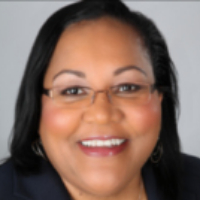
Carol Watler is a licensed mental health counselor with 17 years of experience. She helps people who are dealing with stress, anxiety, anger, grief, relationship strain, and life changes. She offers clear, straightforward counseling aimed at practical change and relief.
Carol blends faith-informed perspectives with evidence-based techniques in sessions. She listens first, then helps clients set simple goals. Sessions focus on real-life skills people can use between meetings to feel more in control.
Background and approach
Her background includes many years providing spiritual and emotional care in hospital settings. That work shaped the way she supports people through grief and traumatic experiences. She also led chaplaincy services and developed workshops for coping and resilience.
Over her career she founded a mental health practice that offered individual and group counseling. She has worked with adults on mood disorders, addiction concerns, caregiver stress, workplace issues, and parenting challenges. Her approach combines attention to emotional, practical, and spiritual needs.
Carol holds a Master of Arts in Professional Counseling and a Master of Divinity. She is licensed as a mental health counselor in New York as an LMHC. In session she uses client-centered methods, cognitive behavioral techniques, trauma-focused work, and EMDR when appropriate.
Clients can expect a compassionate but direct style that aims for measurable progress. Carol emphasizes tools people can use right away to reduce distress and improve daily functioning.
What Carol works with
Everything Carol lists, in the therapist's own terms. Anger is the reason this directory exists; the rest tells you what usually sits alongside it in Carol's practice.
- Stress, Anxiety
- Relationship issues
- Parenting issues
- Depression
- Coping with life changes
- Addictions
- Family conflicts
- Trauma and abuse
- Grief
- Anger management
- Self esteem
- Career difficulties
- Bipolar disorder
- Coaching
- Compassion fatigue
- ADHD
- Caregiver issues and stress
- Communication problems
- Life purpose
- Mood disorders
- Post-traumatic stress
- Self-love
- Social anxiety and phobia
- Workplace issues
Approaches Carol lists
- Client-Centered Therapy
- Cognitive Behavioral Therapy (CBT)
- Eye Movement Desensitization and Reprocessing (EMDR)
- Trauma-Focused Therapy
Listing an approach is not evidence of training in it. This directory copies what each therapist names and does not check training records.
Approaches that guide online sessions
Carol commonly combines client-centered work and cognitive behavioral therapy to help people cope with strong emotions and everyday problems. Client-centered Therapy focuses on listening, reflecting, and building a trusting relationship so clients can name what matters most. Cognitive Behavioral Therapy breaks down thoughts and behaviors into workable steps and introduces exercises clients can try between sessions to reduce anxiety, anger, or low mood.She also uses trauma-focused methods and Eye Movement Desensitization and Reprocessing when traumatic memories are part of the problem. Trauma-focused approaches help process painful experiences and reduce their daily impact. EMDR is another way to work with distressing memories through guided processing when the therapist and client decide it fits the goals.
Choosing the right approach is a team effort. The therapist will talk about your concerns, test a few methods, and tailor the plan to your needs and preferences. Goals and techniques can change as progress is made, and the client is part of decisions about what to try next.
Online therapy offers flexible ways to meet. Video calls let you work face-to-face from wherever you are. Phone sessions can be used when bandwidth is limited or to fit a work break. Live chat and text-based messaging let people check in between sessions or use shorter, focused exchanges. These options make it easier to stick with therapy and practice new skills across daily life.
Questions people ask about Carol
What concerns does she address?
She works with stress, anxiety, anger, grief, addictions, mood concerns, relationship problems, parenting strain, and other life changes.
What is her therapeutic style like?
She uses a straightforward, client-centered approach that focuses on practical skills and measurable progress.
How much experience does she have?
She has 17 years of experience that include hospital chaplain work, counseling in community settings, and leading a independent practice.
Where is she licensed and based?
She is licensed as an LMHC in New York and is located in New York.
Which languages are supported?
Sessions are offered in English and international clients are accepted.
What session formats are available?
Therapy can be delivered by video calls, phone sessions, live chat, or text-based messaging.
How much does therapy cost?
Cost varies with location and therapist availability; sessions use a subscription that can be canceled at any time.
How do I begin working with her?
Begin by selecting the Start Therapy button, completing a short matching questionnaire, and scheduling according to therapist availability.