Works with
- Anger
- Stress, Anxiety
- Family conflicts
- Grief
- Depression
- Coping with life changes
How Catherine works
Practical facts
- Credentials
- LCSW
- Licensed in
- California
- Years in practice
- 10
- Languages
- English
- Session format
- Online, through our partner platform
About Catherine
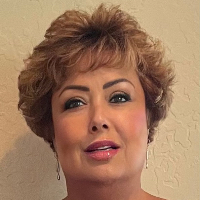
Catherine (Cathy) Groh is a licensed clinical social worker who helps people cope with stress, anxiety, grief, depression, anger, and major life changes. She also supports those dealing with relationship struggles, addiction, sleep and eating concerns, and work-related stresses. Cathy works in California and conducts sessions in English.
Cathy uses a warm, interactive style in sessions. She centers conversations on the person in front of her and follows what matters most to them.
Background and approach
That means clients help set goals and the pace, while Cathy offers guidance and practical strategies. Sessions are straightforward and focused on real-life steps people can try between meetings. Her practice draws on client-centered therapy, where the client's perspective leads the work.
She also uses motivational interviewing to help people resolve ambivalence and find personal reasons to change. Solution-focused techniques are part of her approach too, helping clients spot small shifts that add up to bigger improvements. With ten years of clinical experience as an LCSW - Licensed Clinical Social Worker - Cathy brings a calm, respectful presence to sessions.
She has a history of supporting people affected by trauma and emotional abuse, and she can help those navigating family of origin issues, attachment wounds, and abandonment concerns. People who choose her can expect clear communication about goals and practical tools to manage emotions like anger and anxiety.
Cathy aims to help clients build skills that fit their daily lives and to work collaboratively on realistic next steps.
What Catherine works with
Everything Catherine lists, in the therapist's own terms. Anger is the reason this directory exists; the rest tells you what usually sits alongside it in Catherine's practice.
- Stress, Anxiety
- Family conflicts
- Grief
- Depression
- Coping with life changes
- Addictions
- Relationship issues
- Trauma and abuse
- Intimacy-related issues
- Eating disorders
- Sleeping disorders
- Anger management
- Self esteem
- Career difficulties
- Compassion fatigue
- ADHD
- Abandonment
- Attachment issues
- Blended family issues
- Body image
- Codependency
- Commitment issues
- Communication problems
- Dependent personality
- Divorce and separation
- Domestic violence
- Eating and food-related issues
- Family of origin issues
- Family problems
- Infidelity
- Jealousy
- Panic disorder and panic attacks
- Phobias
- Seasonal Affective Disorder (SAD)
- Women's issues
- Workplace issues
- Young adult issues
Approaches Catherine lists
Listing an approach is not evidence of training in it. This directory copies what each therapist names and does not check training records.
How Cathy’s Approaches Guide Online Care
Client-centered therapy focuses on listening and following the client's goals. In an online setting this means Cathy will ask what matters most to you and then shape sessions around those concerns. Motivational interviewing helps people weigh options and find motivation to change, which is useful for issues like addictions, ambivalence about life changes, or getting unstuck. Solution-focused therapy looks for small, practical steps that can lead to quick improvements and keeps conversations action-oriented and forward-moving.Finding the right approach is part of the work. Cathy treats approach selection as a collaborative process and will adapt methods based on your needs, goals, and preferences. She checks in about what is working and adjusts the plan so therapy stays useful and focused on achievable aims.
Online sessions are offered via video calls, phone sessions, live chat, or text-based messaging to give flexibility. Video calls allow face-to-face conversation and nonverbal cues. Phone sessions can fit a short break or require less bandwidth. Live chat and text messaging make it easy to check in between meetings or when writing feels easier than speaking. These options help people fit therapy into busy lives and keep progress moving forward.
Questions people ask about Catherine
What concerns does Cathy commonly help with?
She works with stress, anxiety, depression, grief, anger, relationship problems, addictions, sleep and eating issues, career stress, ADHD, and related concerns.
What is her general approach in sessions?
She uses a warm, interactive, client-centered style that lets the client set priorities while the therapist offers guidance and practical steps.
How much clinical experience does she have?
She has ten years of clinical experience as an LCSW - Licensed Clinical Social Worker - working with a broad range of concerns including trauma and emotional abuse.
Where is she based and licensed?
She practices in California and holds a CA LCSW license as listed in her credentials.
Which languages are sessions offered in?
Sessions are offered in English.
What session formats are available?
Sessions can be done by video calls, phone sessions, live chat, or text-based messaging depending on client preference.
How does payment and cost work?
Cost varies with location and therapist availability and sessions are delivered through a subscription model that can be canceled at any time.
How do I begin working with her?
Start by selecting the Start Therapy button, complete a short matching questionnaire, and schedule sessions according to therapist availability.