Works with
- Anger
- Stress, Anxiety
- Addictions
- Relationship issues
- Family conflicts
- Depression
How Christopher works
Practical facts
- Credentials
- LMHC
- Licensed in
- Florida
- Years in practice
- 10
- Languages
- English
- Session format
- Online, through our partner platform
About Christopher
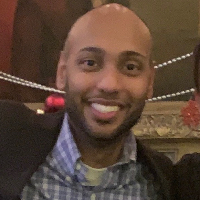
Christopher Jainandan is a licensed mental health counselor who focuses on helping people manage strong emotions and life stressors. He listens without judgment and works with each person to find practical ways forward. Christopher emphasizes clear steps and everyday skills that can be used between sessions.
He uses approaches drawn from client-centered work and cognitive behavioral techniques. That means sessions center on the person’s goals while also looking at thoughts and behaviors that keep problems active.
Background and approach
He often includes mindfulness skills to help with intense feelings and dialectical behavior strategies for coping with crises and relationships. Christopher trained in psychology at Rollins College and completed a Master of Science in Clinical Mental Health Counseling at Capella University. He has about ten years of experience in mental health and substance use settings.
That background informs a practical, down-to-earth style aimed at reducing stigma around getting help. People bring many concerns to him, including anxiety, depression, trauma, grief, addictions, parenting strain, and anger. He also supports those facing OCD symptoms, panic attacks, mood disorders, and work-related compassion fatigue.
Sessions are offered in English and can include coaching elements when that fits a person’s goals. Christopher practices in Florida as a Florida licensed mental health counselor, LMHC. He works with people by phone, video, live chat, or text messaging, and he accepts international clients.
To begin, a short questionnaire helps match needs and schedule the first session.
What Christopher works with
Everything Christopher lists, in the therapist's own terms. Anger is the reason this directory exists; the rest tells you what usually sits alongside it in Christopher's practice.
- Stress, Anxiety
- Addictions
- Relationship issues
- Family conflicts
- Depression
- LGBT
- Trauma and abuse
- Grief
- Intimacy-related issues
- Eating disorders
- Sleeping disorders
- Parenting issues
- Anger management
- Self esteem
- Career difficulties
- Bipolar disorder
- Coping with life changes
- Coaching
- Compassion fatigue
- ADHD
- Codependency
- Coping with natural or human-caused disaster
- First responder issues
- Men's issues
- Mood disorders
- Obsessions, compulsions, and OCD
- Panic disorder and panic attacks
Approaches Christopher lists
- Client-Centered Therapy
- Cognitive Behavioral Therapy (CBT)
- Dialectical Behavior Therapy (DBT)
- Mindfulness Therapy
- Motivational Interviewing
Listing an approach is not evidence of training in it. This directory copies what each therapist names and does not check training records.
Approaches and online options that fit your life
Client-centered work focuses on the person’s own goals and priorities. It gives space to talk and helps the therapist respond to what matters most to the client. This approach is useful when someone wants a respectful, listening-based relationship to guide change.Cognitive Behavioral Therapy helps identify thoughts and behaviors that keep problems going and teaches concrete strategies to change them. It is often used for anxiety, depression, anger, and sleep or eating concerns. Dialectical Behavior Therapy adds skills for emotion regulation, distress tolerance, and improving relationships when feelings become intense.
Christopher will collaborate with each person to find the best mix of approaches. He listens to goals, reviews what has or hasn’t worked before, and adjusts methods as needed. Deciding on an approach is a shared process, not a one-size-fits-all prescription.
Online sessions are offered by video call, phone, live chat, or text-based messaging. Video calls let you see facial cues and practice skills together. Phone sessions can work when lower bandwidth is needed or for quick check-ins. Live chat and text messaging support ongoing check-ins, short coaching moments, or people who prefer typed communication. These options provide scheduling flexibility and make it easier to fit therapy into a busy life.
Questions people ask about Christopher
What concerns does Christopher commonly help with?
He helps people with stress, anxiety, depression, trauma, addictions, grief, anger, relationship and family concerns, and related issues such as OCD symptoms, panic attacks, and mood disorders.
What is his general therapy style?
Sessions are person-centered and practical. He combines listening with concrete tools from cognitive behavioral and mindfulness approaches to change thoughts and habits.
How long has he worked in this field?
Christopher has about ten years of experience in mental health and substance use settings, which includes work before and after licensure.
Where is he licensed and based?
He holds a Florida LMHC credential and practices from Florida.
Which languages are offered for sessions?
Sessions are offered in English, and he also accepts international clients.
What session formats are available?
Appointments can be by video call, phone session, live chat, or text-based messaging to fit different schedules and preferences.
How does payment work?
Cost varies with location and therapist availability; sessions use a subscription model that can be canceled at any time.
How do I start working with him?
Begin by selecting the Start Therapy button, completing a short matching questionnaire, and scheduling according to therapist availability.