Works with
- Anger
- Stress, Anxiety
- Relationship issues
- Trauma and abuse
- Intimacy-related issues
- Depression
How Christina works
Practical facts
- Credentials
- LPC, LMHC
- Licensed in
- Florida, Arizona, Washington
- Years in practice
- 20
- Languages
- English, Spanish
- Session format
- Online, through our partner platform
About Christina
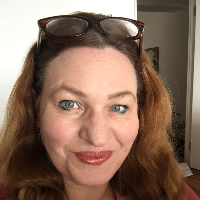
Dr. Christina Gonzalez is a bilingual Licensed Professional Counselor (LPC) and Licensed Mental Health Counselor (LMHC) based in Florida. She brings two decades of clinical experience to sessions and speaks English and Spanish.
Her style is warm and interactive, and she aims to help people find practical ways to manage overwhelming emotions, including anger and stress. Dr. Gonzalez uses a mix of approaches that match what each person needs.
She draws on cognitive behavioral techniques to notice and change patterns of thinking and behavior.
Background and approach
She also uses Acceptance and Commitment Therapy to help people clarify values and take committed action, and mindfulness practices to reduce reactivity. Her background includes extensive work in community mental health and substance abuse settings. She has experience addressing trauma, grief, relationship strain, parenting concerns, and issues related to immigration and cultural adjustment.
That experience informs her work with people facing complex life stressors and losses. In sessions she focuses on concrete skills, clearer communication, and planning steps that feel doable. Conversations may include identifying triggers for anger, practicing new coping skills, and setting small goals that build confidence over time.
She tailors the pace and techniques to each person's needs. Therapy is offered in English and Spanish and is available through video calls, phone sessions, live chat, or text-based messaging. She works with people across a wide range of concerns and aims to help them regain a sense of control and direction.
What Christina works with
Everything Christina lists, in the therapist's own terms. Anger is the reason this directory exists; the rest tells you what usually sits alongside it in Christina's practice.
- Stress, Anxiety
- Relationship issues
- Trauma and abuse
- Intimacy-related issues
- Depression
- Addictions
- LGBT
- Family conflicts
- Grief
- Parenting issues
- Anger management
- Self esteem
- Career difficulties
- Bipolar disorder
- Coping with life changes
- Compassion fatigue
- ADHD
- Abandonment
- Attachment issues
- Blended family issues
- Body image
- Caregiver issues and stress
- Codependency
- Commitment issues
- Communication problems
- Divorce and separation
- Domestic violence
- Family of origin issues
- Family problems
- Forgiveness
- Guilt and shame
- Immigration issues
- Isolation / loneliness
- Midlife crisis
- Veteran and Armed Forces Issues
- Mood disorders
- Multicultural concerns
- Postpartum depression
- Seasonal Affective Disorder (SAD)
- Self-love
- Sexual dysfunction
- Sexuality
- Social anxiety and phobia
- Women's issues
Approaches Christina lists
- Acceptance and Commitment Therapy (ACT)
- Attachment-Based Therapy
- Cognitive Behavioral Therapy (CBT)
- Existential Therapy
- Mindfulness Therapy
- Motivational Interviewing
- Solution-Focused Therapy
Listing an approach is not evidence of training in it. This directory copies what each therapist names and does not check training records.
Therapeutic approaches in online care
Acceptance and Commitment Therapy helps people notice unhelpful thoughts and choose actions that match their values. It can support people dealing with anger, low motivation, or life transitions by focusing on what matters most and small steps toward it. Cognitive Behavioral Therapy looks at the links between thoughts, feelings, and behavior and teaches concrete skills to change patterns that fuel anxiety, depression, or reactive anger.Choosing the right approach is a collaborative process. The therapist will talk with each person about their goals, preferences, and day-to-day struggles, then tailor techniques and pace to fit those needs. That way the work stays practical and relevant rather than one-size-fits-all.
Online sessions are offered by video call, phone, live chat, or text-based messaging to make therapy easier to fit into life. Video calls let people use visual cues for deeper conversation. Phone sessions can be simpler when bandwidth is limited or a shorter check-in is needed. Live chat or messaging can work well for ongoing support, skill practice, or when someone prefers typed communication. These options make it easier to keep consistent momentum and try new tools between meetings.
Questions people ask about Christina
What kinds of problems does she help with?
She works with many concerns including stress, anxiety, depression, grief, relationship strain, anger, addictions, and issues tied to immigration and trauma.
How would you describe her therapy style?
Her style is warm and interactive, focused on practical skills, clearer communication, and short-term strategies alongside deeper exploration.
What is her clinical background?
She has 20 years of experience in community mental health, substance abuse settings, and work addressing trauma and grief across diverse cultural contexts.
What credentials and location are listed for this therapist?
She is listed as an LPC and LMHC with licensure noted in Florida.
In which languages can sessions be conducted?
Sessions are offered in English and Spanish.
What session formats are available?
She offers video calls, phone sessions, live chat, and text-based messaging to fit different schedules and needs.
How are fees handled for sessions?
Cost varies with location and therapist availability; sessions use a subscription that can be canceled at any time.
What are the first steps to start therapy?
Begin by selecting the Start Therapy button, complete a short matching questionnaire, and then schedule according to therapist availability.