Works with
- Anger
- Stress, Anxiety
- LGBT
- Anger management
- Self esteem
- Depression
How Donald works
Practical facts
- Credentials
- LCPC
- Licensed in
- Illinois
- Years in practice
- 20
- Languages
- English
- Session format
- Online, through our partner platform
About Donald
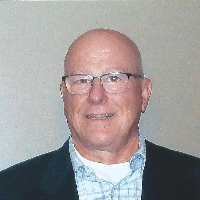
Donald Shawler is a Licensed Clinical Professional Counselor (LCPC) with 20 years of experience helping adults navigate stress, depression, anxiety, and anger. He uses a straightforward, person-centered style and focuses on what each person brings to the room. Don aims to make therapy practical and understandable for people feeling overwhelmed or stuck.
He combines client-centered techniques with cognitive tools to help people notice and reframe thoughts that get in the way.
Background and approach
That often means identifying patterns that lead to intense emotions and practicing new responses. Sessions include skill-building exercises, simple reflections, and real-world homework to try between meetings. Anger management is one area he addresses directly, teaching strategies to reduce impulsive reactions and to communicate needs more clearly.
He also supports people facing relationship strain, grief, addiction concerns, identity questions, career stress, and life transitions. Don works with issues related to sexual expression and aging when those concerns come up. His approach is collaborative and down-to-earth.
He listens without judgment and helps each person set realistic goals. Over time clients learn tools to manage mood swings, improve relationships, and handle daily stressors more calmly. Sessions are available in English and offered remotely, which can make it easier to fit therapy into a busy life.
Don welcomes conversations about goals, expectations, and a plan that fits the client’s schedule and circumstances.
What Donald works with
Everything Donald lists, in the therapist's own terms. Anger is the reason this directory exists; the rest tells you what usually sits alongside it in Donald's practice.
- Stress, Anxiety
- LGBT
- Anger management
- Self esteem
- Depression
- Addictions
- Relationship issues
- Family conflicts
- Trauma and abuse
- Grief
- Intimacy-related issues
- Career difficulties
- Bipolar disorder
- Coping with life changes
- Coaching
- Compassion fatigue
- Aging and geriatric issues
- BDSM, kink, and alternative sex culture
- Blended family issues
- Body image
- Caregiver issues and stress
- Codependency
- Communication problems
- Divorce and separation
- Drug and alcohol addiction
- Emptiness
- Family problems
- Forgiveness
- Guilt and shame
- HIV / AIDS
- Impulsivity
- Infidelity
- Isolation / loneliness
- Jealousy
- Life purpose
- Men's issues
- Mood disorders
- Multicultural concerns
- Panic disorder and panic attacks
- Polyamory / non-monogamous relationships
- Prejudice and discrimination
- Self-love
- Sexuality
- Social anxiety and phobia
- Workplace issues
Approaches Donald lists
- Client-Centered Therapy
- Cognitive Behavioral Therapy (CBT)
- Emotionally-Focused Therapy (EFT)
- Existential Therapy
- Mindfulness Therapy
- Motivational Interviewing
- Solution-Focused Therapy
Listing an approach is not evidence of training in it. This directory copies what each therapist names and does not check training records.
How therapeutic approaches fit into online care
Client-Centered Therapy focuses on listening and reflecting what matters to the person. The therapist follows the client’s pace, helps them name feelings, and works from the client’s goals to guide change. Cognitive Behavioral Therapy, or CBT, looks at the connections between thoughts, feelings, and behavior and teaches concrete techniques to reframe unhelpful thinking and build new habits. Emotionally-Focused Therapy concentrates on helping people identify and express underlying emotions, which can reduce intense reactions and strengthen how they relate to themselves and others.Deciding which approach to use is part of the work. The therapist will talk with the client about goals, preferences, and what feels most useful. Together they will try methods, check how they’re working, and adjust the plan as needed so therapy stays practical and relevant.
Online sessions offer flexibility for busy lives. Video calls allow face-to-face conversation when more interaction is helpful. Phone sessions use less bandwidth and can be easier to fit into a break at work. Live chat or text-based messaging can support brief check-ins, ongoing coaching, or times when writing feels easier than speaking. These options make it simpler to keep continuity and practice skills between sessions.
Questions people ask about Donald
What kinds of concerns does this therapist address?
He works with stress, anxiety, depression, anger, addictions, relationship and family problems, grief, bipolar symptoms, and other life changes.
How would you describe his therapeutic style?
He uses a person-centered approach combined with cognitive methods and mindfulness. Sessions focus on clear, practical steps and skill practice.
How much clinical experience does he have?
He brings 20 years of experience working with adults on a wide range of mental health and life concerns.
What credentials and location are listed for this clinician?
He is a Licensed Clinical Professional Counselor, credentialed as IL LCPC, and is based in Illinois.
Are sessions available in other languages or internationally?
Sessions are offered in English, and he does accept international clients.
What session formats are offered for remote care?
He offers video calls, phone sessions, live chat, and text-based messaging to suit different needs and schedules.
How is cost handled for therapy with this clinician?
Cost varies by location and therapist availability; sessions use a subscription model that can be canceled at any time.
How do I begin a therapy relationship with him?
Select the Start Therapy button, complete a short matching questionnaire, and schedule sessions according to the therapist's availability.