Works with
- Anger
- Addictions
- LGBT
- Relationship issues
- Family conflicts
- Trauma and abuse
How Donny works
Practical facts
- Credentials
- LMFT
- Licensed in
- California
- Years in practice
- 6
- Languages
- English
- Session format
- Online, through our partner platform
About Donny
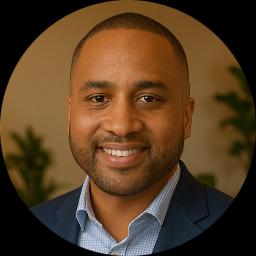
Donny Simpson is a licensed marriage and family therapist who helps people facing anger, addiction, anxiety, depression, and relationship struggles. He creates a calm, nonjudgmental space where people can talk through what’s happening now and find clearer ways to cope. Donny uses straightforward language and practical steps that are easy to apply between sessions.
He blends approaches that focus on how people connect with others and how they manage thoughts and feelings.
Background and approach
Sessions often include skill-building for communication, managing strong emotions, and addressing patterns that keep problems repeating. He also supports people dealing with trauma, grief, body image concerns, and issues related to sexual identity and HIV/AIDS. Donny has six years of clinical experience working in California.
He holds a Licensed Marriage and Family Therapist credential, LMFT, and has worked with people facing substance use and relationship distress. He draws on therapies that help people understand attachment, practice mindfulness, and change unhelpful thinking patterns. In sessions he aims to meet people where they are and set goals together.
That might look like learning grounding tools for stress, role-playing difficult conversations, or tracking patterns that trigger anger. He encourages small, steady changes that build confidence and clearer choices over time. People usually start by naming one or two immediate concerns and then expanding from there.
Donny offers video calls, phone sessions, live chat, and text-based messaging to fit different needs and schedules.
What Donny works with
Everything Donny lists, in the therapist's own terms. Anger is the reason this directory exists; the rest tells you what usually sits alongside it in Donny's practice.
- Addictions
- LGBT
- Relationship issues
- Family conflicts
- Trauma and abuse
- Stress, Anxiety
- Grief
- Intimacy-related issues
- Anger management
- Career difficulties
- Depression
- Coping with life changes
- Adoption and foster care
- Body image
- Codependency
- Communication problems
- Dependent personality
- Divorce and separation
- Domestic violence
- Drug and alcohol addiction
- Eating and food-related issues
- Family problems
- Fatherhood issues
- Forgiveness
- Gender dysphoria
- Guilt and shame
- HIV / AIDS
- Isolation / loneliness
- Jealousy
- Men's issues
- Money and financial issues
- Narcissism
- Obsessions, compulsions, and OCD
- Panic disorder and panic attacks
- Pregnancy and childbirth
- Self-love
- Sex addiction
- Sexual dysfunction
- Sexuality
- Social anxiety and phobia
- Workplace issues
- Young adult issues
Approaches Donny lists
- Attachment-Based Therapy
- Client-Centered Therapy
- Cognitive Behavioral Therapy (CBT)
- Emotionally-Focused Therapy (EFT)
- Mindfulness Therapy
- Motivational Interviewing
- Solution-Focused Therapy
- Internal Family Systems
Listing an approach is not evidence of training in it. This directory copies what each therapist names and does not check training records.
How his approach and online sessions work together
Donny often uses Attachment-Based Therapy to look at how past relationships shape current reactions. This approach helps people understand patterns in close relationships and how those patterns influence anger and trust. He also uses Cognitive Behavioral Therapy, which focuses on identifying unhelpful thoughts and testing new responses to reduce intense emotions and change behavior.Choosing the right approach is a collaborative process. He will talk with clients about their goals and try strategies to see what fits. Together they adjust techniques and priorities so sessions match the person's needs and pace.
Online therapy offers several practical benefits for this work. Video calls allow face-to-face conversation and skill practice when visual cues matter. Phone sessions can be easier when bandwidth is limited or a quieter check-in is preferred. Live chat and text-based messaging make brief check-ins, homework support, or quick coping reminders simple to fit into a busy day. These options give flexibility for different schedules and communication styles, while keeping the focus on steady progress and usable tools.
Questions people ask about Donny
What concerns does he help with?
He helps people with anger, addiction, anxiety, depression, trauma, relationship stress, grief, intimacy issues, career strain, and other life changes.
What is his therapeutic style like?
His style is warm and practical. He blends client-centered listening with skills practice to address emotions and behaviors.
How much clinical experience does he have?
He has six years of clinical experience working with people in California on a range of concerns.
What credential does he hold and where is he based?
He holds a California Licensed Marriage and Family Therapist credential, LMFT, and practices in California.
Which languages are supported for sessions?
Sessions are offered in English.
Can people outside the United States work with him?
He does not accept international clients at this time; his practice is limited to California.
What session formats are available?
Sessions are offered by video calls, phone sessions, live chat, or text-based messaging to fit different schedules.
How does payment and scheduling work?
Cost varies with location and therapist availability; sessions use a subscription that can be canceled at any time. To start, select the Start Therapy button, complete a short matching questionnaire, and schedule according to therapist availability.