Works with
How Gabrielle works
Practical facts
- Credentials
- LPC
- Licensed in
- Georgia
- Years in practice
- 9
- Languages
- English
- Session format
- Online, through our partner platform
About Gabrielle
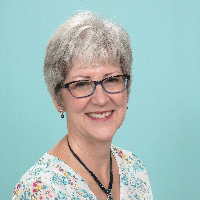
Gabrielle Burholt is a Licensed Professional Counselor who helps people facing stress, anxiety, anger, grief, and life transitions. She works with concerns like low self-esteem, depression, addictions, relationship and intimacy-related issues, sleep problems, parenting strain, career questions, and compassion fatigue. Gabrielle presents a calm, curious presence and aims to help people take practical steps forward.
She listens first and asks questions that help clients name what matters to them. Gabrielle draws on Acceptance and Commitment Therapy, mindfulness, and client-centered methods to help people notice patterns, accept difficult thoughts, and choose actions that align with their values.
Background and approach
Motivational interviewing and narrative ideas also shape conversations about change and motivation. Gabrielle’s path to counseling included a bachelor of arts, a bachelor of music in music education, and a master’s degree in Clinical Mental Health Counseling. She holds the LPC credential in Georgia.
Over nine years she has worked with people facing a wide range of concerns, including caregiver stress, attachment and family of origin issues, codependency, and end-of-life counseling. Sessions focus on practical strategies and personal meaning. Gabrielle helps people build a vision based on what they care about and then take small, manageable steps toward that vision.
She blends goal-focused work with reflective conversation so clients leave with ideas they can try between sessions. People who prefer an encouraging, thoughtful listener may find her style helpful. Gabrielle uses plain language, steady attention, and collaborative planning to support change and clearer choices.
What Gabrielle works with
Everything Gabrielle lists, in the therapist's own terms. Anger is the reason this directory exists; the rest tells you what usually sits alongside it in Gabrielle's practice.
- Stress, Anxiety
- Grief
- Self esteem
- Depression
- Coping with life changes
- Addictions
- Relationship issues
- Family conflicts
- Intimacy-related issues
- Sleeping disorders
- Parenting issues
- Anger management
- Career difficulties
- Coaching
- Compassion fatigue
- ADHD
- Abandonment
- Aging and geriatric issues
- Attachment issues
- Body image
- Caregiver issues and stress
- Codependency
- Commitment issues
- Communication problems
- Eating and food-related issues
- Emptiness
- Family of origin issues
- Forgiveness
- Guilt and shame
- Hospice and end-of-life counseling
- Isolation / loneliness
- Jealousy
- Life purpose
- Midlife crisis
- Money and financial issues
- Mood disorders
- Phobias
- Post-traumatic stress
- Seasonal Affective Disorder (SAD)
- Social anxiety and phobia
Approaches Gabrielle lists
- Acceptance and Commitment Therapy (ACT)
- Client-Centered Therapy
- Existential Therapy
- Mindfulness Therapy
- Motivational Interviewing
- Narrative Therapy
- Solution-Focused Therapy
Listing an approach is not evidence of training in it. This directory copies what each therapist names and does not check training records.
How her approaches translate to online therapy
Acceptance and Commitment Therapy (ACT) helps people notice difficult thoughts and feelings without getting stuck in them, then choose actions that match what they value. This can help with anger, anxiety, and life transitions. Client-centered therapy emphasizes a respectful, nonjudgmental relationship where the therapist listens and follows the person’s lead; it supports self-exploration and emotional expression.Gabrielle treats finding the right approach as a collaborative process. She will talk with clients about their goals, try approaches that fit those goals, and adjust the plan based on what helps. That way clients shape the work together with the therapist instead of following a fixed script.
Online formats include video calls, phone sessions, live chat, and text-based messaging. Video feels most like an in-person session and is useful for longer work. Phone sessions can fit shorter check-ins or times with less bandwidth. Live chat or messaging lets people send updates or try brief coaching-style exchanges between calls. These options make it easier to fit therapy into a busy life while keeping the focus on behavior change, values, and practical next steps.
Questions people ask about Gabrielle
What concerns does Gabrielle help with?
She supports people dealing with stress, anxiety, anger, grief, depression, and coping with life changes, along with issues like addictions, relationship and intimacy-related concerns, sleep struggles, parenting strain, and career questions.
How would you describe her therapeutic style?
Her style is listening-centered and practical. She asks questions to clarify values, helps people notice patterns, and works on small steps to reach meaningful goals.
What kind of experience does she bring?
She has nine years of experience working in counseling and coaching contexts, helping clients with a broad range of emotional and life challenges.
What credentials and location are listed?
She is a Licensed Professional Counselor (LPC) in Georgia and holds a master’s degree in Clinical Mental Health Counseling.
Can sessions be conducted in other languages or internationally?
Sessions are offered in English. International clients are not currently accepted.
What session formats are available?
Sessions are offered by video calls, phone sessions, live chat, or text-based messaging depending on what fits the client.
How does payment and cost work?
Cost varies with location and therapist availability; sessions are provided through a subscription model that can be canceled at any time.
How do I begin working together?
Start by selecting the Start Therapy button, complete a short matching questionnaire, and then schedule sessions according to therapist availability.