Works with
- Anger
- Stress, Anxiety
- Relationship issues
- Grief
- Coping with life changes
- Coaching
How John works
Practical facts
- Credentials
- LMFT
- Licensed in
- California
- Years in practice
- 20
- Languages
- English
- Session format
- Online, through our partner platform
About John
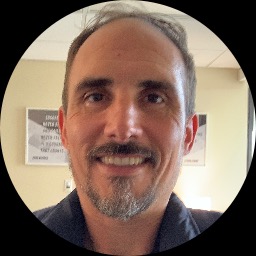
John Rego is a licensed marriage and family therapist with 20 years of experience helping people manage stress, anxiety, grief, anger, relationship struggles, and major life changes. He aims to make the first step feel less daunting by offering steady, respectful support and practical direction. He uses a conversational style in sessions.
He listens closely, asks clear questions, and helps people clarify what matters most to them. He focuses on small, doable steps that fit each person’s life and goals.
Background and approach
John draws on attachment-focused work to look at how early relationships shape current reactions. He also uses client-centered techniques to keep the conversation focused on the person’s experience. Cognitive Behavioral Therapy tools are brought in when patterns of thinking or behavior need to change.
Sessions cover a wide range of concerns, from parenting stress and caregiver burnout to addictions, career uncertainty, and feelings of emptiness or shame. He also supports people facing divorce, blended family challenges, or struggles around intimacy and communication. In California practice he adjusts plans to each person’s needs.
He describes therapy as a collaborative process and aims to help clients build clearer choices, steadier emotions, and better day-to-day functioning.
What John works with
Everything John lists, in the therapist's own terms. Anger is the reason this directory exists; the rest tells you what usually sits alongside it in John's practice.
- Stress, Anxiety
- Relationship issues
- Grief
- Coping with life changes
- Coaching
- Addictions
- Family conflicts
- Trauma and abuse
- Intimacy-related issues
- Parenting issues
- Anger management
- Self esteem
- Career difficulties
- Bipolar disorder
- Depression
- Compassion fatigue
- Abandonment
- Attachment issues
- Blended family issues
- Caregiver issues and stress
- Codependency
- Communication problems
- Disruptive Mood Dysregulation Disorder (DMDD)
- Divorce and separation
- Drug and alcohol addiction
- Emptiness
- Family of origin issues
- Family problems
- Fatherhood issues
- Forgiveness
- Guilt and shame
- Impulsivity
- Infidelity
- Isolation / loneliness
- Jealousy
- Life purpose
- Men's issues
- Midlife crisis
- Mood disorders
- Panic disorder and panic attacks
- Post-traumatic stress
- Process addiction (porn, exercise, gambling)
- Self-harm
- Self-love
- Sex addiction
- Sexual assault and abuse
- Social anxiety and phobia
- Workplace issues
- Young adult issues
Approaches John lists
- Attachment-Based Therapy
- Client-Centered Therapy
- Cognitive Behavioral Therapy (CBT)
- Existential Therapy
- Gottman Method
- Motivational Interviewing
- Solution-Focused Therapy
- Internal Family Systems
Listing an approach is not evidence of training in it. This directory copies what each therapist names and does not check training records.
Approach and online care that fit your life
John often uses Attachment-Based Therapy to look at how early relationship patterns affect current reactions. This approach helps people understand why they respond emotionally the way they do and work toward more supported ways of relating. He also applies Client-Centered Therapy, which keeps the session focused on the person’s own goals and experience, letting the therapist respond to what matters most to the client. Cognitive Behavioral Therapy, used selectively, gives concrete tools for changing unhelpful thoughts and behaviors when they fuel anxiety, depression, or anger.Finding the right approach is part of the work. He will collaborate with each client to choose methods that match their goals and preferences. That process may mix approaches over time based on what is helping and what feels comfortable.
Online sessions are offered as video calls, phone sessions, live chat, or text-based messaging to fit different needs. Video calls allow face-to-face conversation; phone sessions can be a better fit when bandwidth is limited or a simpler check-in is needed. Live chat and text messaging suit brief check-ins, ongoing coaching, or times when typing feels easier than speaking. These options help people fit therapy into busy schedules and varied routines.
Questions people ask about John
What kinds of problems does John focus on?
He supports people dealing with stress, anxiety, anger, grief, relationship and parenting concerns, addictions, and coping with life changes.
How would you describe his therapy style?
Sessions are conversational and person-centered with clear questions and practical steps. He works collaboratively to tailor each plan to individual needs.
What is his clinical background?
He has 20 years of professional experience working with a range of emotional and relational issues.
Where is he licensed and based?
He holds a California LMFT license and practices in California.
Which languages are offered for sessions?
Sessions are offered in English.
Can people outside the U.S. work with him?
He does not accept international clients at this time.
What session formats are available?
He meets with clients via video calls, phone sessions, live chat, and text-based messaging.
How are costs and subscription handled?
Cost varies with location and therapist availability; sessions use a subscription that can be canceled at any time.