Works with
- Anger
- Stress, Anxiety
- Addictions
- Anger management
- Self esteem
- Depression
How Karen works
- Not listed
Practical facts
- Credentials
- MD, LCSW-C, LCSW
- Licensed in
- Maryland, Louisiana
- Years in practice
- 30
- Languages
- English
- Session format
- Online, through our partner platform
About Karen
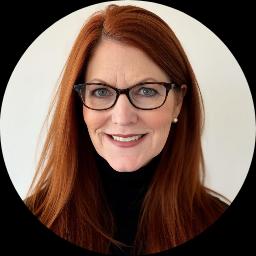
Karen Lilley greets people who feel stuck, overwhelmed, or drained by daily stress. She speaks plainly and focuses on practical steps to reduce crisis moments and strengthen coping. Karen holds an MD and is licensed as an LCSW-C and an LCSW, and she draws on three decades of experience to help people find steadier ground.
Her work emphasizes straightforward support and skills that can be used between sessions. Karen uses a strength-based style that is both direct and compassionate.
Background and approach
Sessions tend to focus on clear goals and small, doable changes rather than long theory talks. She often helps people managing anxiety, anger, low self-esteem, depression, and addiction-related concerns. Common topics include panic attacks, workplace stress, communication struggles, and caregiver strain.
Karen also addresses issues tied to attachment, body image, and feelings of isolation. Karen blends practical techniques with emotional processing. She offers tools to calm intense feelings, manage cravings, and rebuild routines that support better mood and behavior.
Conversations aim to name patterns, test small changes, and track what helps. People choose her for a straightforward, experience-based approach. She emphasizes collaboration and realistic steps.
Over time the goal is less reactivity, clearer choices, and a greater sense of control over everyday life.
What Karen works with
Everything Karen lists, in the therapist's own terms. Anger is the reason this directory exists; the rest tells you what usually sits alongside it in Karen's practice.
- Stress, Anxiety
- Addictions
- Anger management
- Self esteem
- Depression
- Attachment issues
- Body image
- Caregiver issues and stress
- Communication problems
- Control issues
- Drug and alcohol addiction
- First responder issues
- Forgiveness
- Guilt and shame
- Isolation / loneliness
- Mood disorders
- Panic disorder and panic attacks
- Self-love
- Social anxiety and phobia
- Workplace issues
- Young adult issues
Therapeutic approaches and online options
Karen uses evidence-based therapeutic techniques that focus on building skills and reducing upsetting symptoms. One common approach she uses teaches emotion regulation and coping strategies to manage anger, panic, and intense stress; this involves learning concrete steps to interrupt reactive patterns and calm the body. Another approach focuses on relapse prevention and behavioral change for people dealing with drug or alcohol problems; it centers on identifying triggers, creating actionable plans, and practicing new routines to support recovery.Choosing the best approach happens together. Karen works collaboratively with each person to review goals, try methods, and adjust the plan based on what actually helps. The process is practical and iterative rather than fixed, so techniques are tailored to daily life and personal priorities.
Online sessions include video calls, phone sessions, live chat, and text-based messaging to fit different needs. Video calls allow face-to-face conversation and visual cues. Phone sessions can work when bandwidth is limited or a shorter check-in is needed. Live chat and text messaging suit quick updates, brief coaching, or day-to-day support between longer visits. These options make it easier to fit therapy into work, caregiving, or busy schedules while keeping care accessible and consistent.
Questions people ask about Karen
What concerns does she commonly address?
She works with stress, anxiety, depression, anger, and addictions, and also focuses on issues like panic attacks, workplace stress, caregiver strain, and feelings of isolation.
What is her general therapy style?
Her approach is strength-based and direct, with a focus on practical tools and clear goals. Sessions aim to teach skills people can use day to day rather than long theory discussions.
How much clinical experience does she have?
She brings 30 years of experience working with people facing mood, stress, and addiction-related challenges.
What credentials and location are listed?
She holds an MD and is licensed as an LCSW-C and an LCSW. Her practice is based in Maryland.
Which languages are supported for sessions?
Sessions are offered in English.
What session formats are available online?
She offers video calls, phone sessions, live chat, and text-based messaging to accommodate different needs and schedules.
How are fees and subscriptions handled?
Cost varies with location and therapist availability; sessions use a subscription model that can be canceled at any time.
How do I begin working with her?
Click the Start Therapy button, complete a short matching questionnaire, and then schedule sessions according to the therapist's availability.