Works with
- Anger
- Stress, Anxiety
- Relationship issues
- Family conflicts
- Depression
How Lance works
Practical facts
- Credentials
- LMFT
- Licensed in
- Oklahoma, Utah, California
- Years in practice
- 25
- Languages
- English
- Session format
- Online, through our partner platform
About Lance
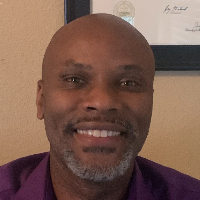
Dr. Lance Smith is a licensed marriage and family therapist with 25 years of practice in California. He helps people facing stress, anxiety, anger, relationship strain, depression, and issues like ADHD or grief.
He aims to make the first steps feel manageable for someone who is worried or overwhelmed. Dr. Smith keeps sessions straightforward and focused on what you want to change.
He listens first and then offers practical steps to try between sessions.
Background and approach
Parents and individuals often come for help with parenting strain, communication problems, or coping with life changes. His background includes long experience working with a wide range of concerns from trauma and addictions to intimacy and self-esteem. He uses a mix of approaches so work can be tailored to the problem at hand.
That means sessions may include thinking through patterns, practicing new communication, and setting small goals. In therapy he emphasizes attachment and relationships, but also uses tools from cognitive behavioral and solution-focused approaches. Those methods help people shift unhelpful thoughts, test new behaviors, and build stronger connections with others.
Sessions are collaborative and paced to each person's needs. Appointments can be arranged through the site's matching process and scheduled to fit daily life. Dr.
Smith expects therapy to be realistic and practical, with steps that fit into a busy schedule. Many people find that steady, short-term work leads to clearer choices and less reactivity in stressful moments.
What Lance works with
Everything Lance lists, in the therapist's own terms. Anger is the reason this directory exists; the rest tells you what usually sits alongside it in Lance's practice.
- Stress, Anxiety
- Relationship issues
- Family conflicts
- Depression
- Addictions
- Trauma and abuse
- Grief
- Intimacy-related issues
- Parenting issues
- Anger management
- Self esteem
- Bipolar disorder
- Coping with life changes
- Compassion fatigue
- ADHD
- Abandonment
- Attachment issues
- Autism and Asperger Syndrome
- Blended family issues
- Caregiver issues and stress
- Communication problems
- Family of origin issues
- Family problems
- Forgiveness
- Guilt and shame
- Hospice and end-of-life counseling
- Multicultural concerns
- Panic disorder and panic attacks
- Post-traumatic stress
- Self-love
- Social anxiety and phobia
- Young adult issues
Approaches Lance lists
- Attachment-Based Therapy
- Client-Centered Therapy
- Cognitive Behavioral Therapy (CBT)
- Gottman Method
- Solution-Focused Therapy
- Trauma-Focused Therapy
- Internal Family Systems
Listing an approach is not evidence of training in it. This directory copies what each therapist names and does not check training records.
How his approaches translate to online work
Attachment-Based Therapy focuses on how relationships shape feelings and behavior. Online sessions can use conversation and role practice to notice patterns and try new ways of connecting with others. Cognitive Behavioral Therapy, or CBT, breaks problems into thoughts, feelings, and actions and tests small behavior changes; online work often includes short exercises and tracking between sessions. The Gottman Method concentrates on improving communication and managing conflict in relationships through structured conversations and skills practice that translate well to video or phone formats.Finding the right approach is part of the work. The therapist will talk with each person about goals and preferences, then suggest which methods to try. That decision is made together and can shift as progress is noted or needs change.
Online options include video calls, phone sessions, live chat, and text-based messaging. Video calls are useful for in-depth conversations and practicing interactions. Phone sessions can be simpler when bandwidth is limited or for quick check-ins. Live chat and text messaging let people send brief updates, ask questions between sessions, or do short check-ins when time is tight. These formats give flexibility so therapy can fit into real life and still move toward clear goals.
Questions people ask about Lance
What kinds of concerns does this therapist help with?
He supports people dealing with stress, anxiety, anger, depression, relationship and family problems, ADHD, trauma, grief, and related issues.
What is his general therapy style?
He listens first and keeps sessions practical and goal-oriented, combining talking, skill practice, and small homework tasks to make change manageable.
How much experience does he have?
He has 25 years of clinical experience working with people facing a wide range of concerns across relationships, mood, and behavioral challenges.
What credentials and location are listed?
He is a Licensed Marriage and Family Therapist (LMFT) with a California license listed and practices from California.
Which languages are supported and can international clients join?
Sessions are offered in English and international clients are not currently accepted.
In what formats are sessions offered?
Therapy is available by video call, phone sessions, live chat, or text-based messaging depending on what fits the client's needs.
How is cost handled for sessions?
Cost varies with location and therapist availability; sessions use a subscription model that can be canceled at any time.
What are the first steps to begin therapy?
Use the Start Therapy button, complete a short matching questionnaire, and then schedule sessions according to the therapist's availability.