Works with
- Anger
- Stress, Anxiety
- Trauma and abuse
- Anger management
- Depression
- ADHD
How Mark works
Practical facts
- Credentials
- MN Psychologist
- Licensed in
- Minnesota
- Years in practice
- 40
- Languages
- English
- Session format
- Online, through our partner platform
About Mark
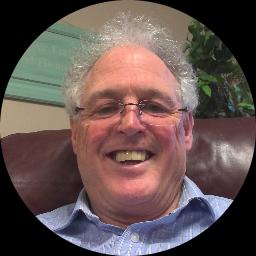
Dr. Mark Thelen is a psychologist who helps people manage strong emotions and everyday stress. He supports adults facing anxiety, anger, depression, trauma, and life transitions.
He speaks plainly and focuses on practical steps people can use right away. He brings 40 years of experience in community mental health centers, hospital units, group clinics, and his own practice. Over those years he has worked with people dealing with addiction, sleep problems, grief, relationship friction, and self-esteem struggles.
Background and approach
He treats anger as one of many emotional challenges that can be understood and changed. In sessions he treats each person as the expert on their own life. He listens first, then helps people identify patterns that cause repeated pain.
From there he works with them to try new ways of thinking and behaving that fit their goals. He uses a mix of approaches, including client-centered methods and cognitive behavioral ideas, to help people try small experiments between sessions. He also draws on narrative and solution-focused strategies to spotlight strengths and practical steps forward.
People who contact him can expect clear, direct conversation about what is getting in the way and specific tools to practice. His Minnesota license is listed as MN Psychologist 2992 and he holds four decades of clinical experience. Sessions are available in English and offered through video, phone, live chat, or text messaging for people who prefer remote care.
What Mark works with
Everything Mark lists, in the therapist's own terms. Anger is the reason this directory exists; the rest tells you what usually sits alongside it in Mark's practice.
- Stress, Anxiety
- Trauma and abuse
- Anger management
- Depression
- ADHD
- Addictions
- Relationship issues
- Family conflicts
- Grief
- Intimacy-related issues
- Sleeping disorders
- Parenting issues
- Self esteem
- Bipolar disorder
- Coping with life changes
- Coaching
- Compassion fatigue
- Abandonment
- Aging and geriatric issues
- Antisocial personality
- Avoidant personality
- Blended family issues
- Codependency
- Commitment issues
- Communication problems
- Control issues
- Divorce and separation
- Family of origin issues
- Family problems
- Forgiveness
- Guilt and shame
- Impulsivity
- Infidelity
- Isolation / loneliness
- Life purpose
- Men's issues
- Midlife crisis
- Veteran and Armed Forces Issues
- Mood disorders
- Narcissism
- Panic disorder and panic attacks
- Paranoia
- Personality disorders
- Post-traumatic stress
- Prejudice and discrimination
- Self-love
- Sexuality
- Traumatic brain injury
- Workplace issues
Approaches Mark lists
- Client-Centered Therapy
- Cognitive Behavioral Therapy (CBT)
- Existential Therapy
- Narrative Therapy
- Solution-Focused Therapy
- Trauma-Focused Therapy
Listing an approach is not evidence of training in it. This directory copies what each therapist names and does not check training records.
How Mark’s Approaches Work Online
Client-centered therapy focuses on listening and understanding each person without judgment. It helps when someone needs a space to tell their story and feel heard before making changes.Cognitive Behavioral Therapy, or CBT, looks at thoughts and behaviors that keep problems going. It provides concrete tools and small experiments to reduce anxiety, manage anger, and shift unhelpful thinking patterns.
Narrative and solution-focused ideas help people reframe their story and identify quick steps that can move them forward. These approaches highlight strengths and practical next moves rather than long explanations of the past.
Finding the right approach is part of the work. The therapist will talk with the client about goals, try methods that fit, and adjust as needed. That means treatment feels like a collaboration, not a fixed prescription.
Online therapy offers flexible ways to connect. Video calls let people work face to face from different locations. Phone sessions use less bandwidth and can be easier to fit into a busy day. Live chat or text-based messaging can be used for brief check-ins, homework review, or when writing feels easier than talking. These options make it simpler to maintain continuity and try techniques consistently between sessions.
Questions people ask about Mark
What concerns does this therapist focus on?
He works with stress, anxiety, trauma and abuse, anger, depression, ADHD, addictions, relationship and family issues, grief, intimacy concerns, sleep problems, parenting strain, self-esteem, bipolar issues, and coping with life changes.
How would you describe his therapeutic style?
The approach is collaborative and straightforward. He listens closely, then helps people test practical ideas and new ways of thinking between sessions.
What is his background in clinical work?
He has 40 years of professional experience across community mental health centers, hospital units, group clinics, and a independent practice.
What credentials and location are listed for this therapist?
He is licensed in Minnesota as MN Psychologist 2992 and practices from Minnesota.
Which languages are supported and are international clients seen?
Sessions are offered in English. International clients are not currently accepted.
What session formats are available?
He offers video calls, phone sessions, live chat, and text-based messaging to fit different preferences and schedules.
How are fees handled for sessions?
Cost varies with location and therapist availability; sessions use a subscription that can be canceled at any time.
What is the process to begin working with him?
Start by selecting the Start Therapy button, complete a short matching questionnaire, and then schedule a session based on therapist availability.