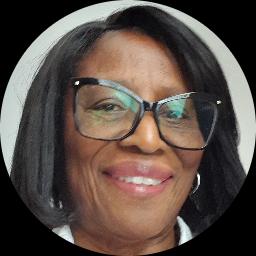
How Martha works
Practical facts
- Credentials
- LCMHC
- Licensed in
- North Carolina
- Years in practice
- 26
- Languages
- English
- Session format
- Online, through our partner platform
About Martha
Martha Cobb is a Licensed Clinical Mental Health Counselor (LCMHC) practicing in North Carolina with 26 years of experience. She helps people manage stress, anxiety, depression, grief, anger, and relationship concerns in a straightforward, supportive way. Her work focuses on practical steps people can use between sessions.
Martha listens carefully and centers sessions on each person’s goals. She uses clear, doable strategies that people can try right away. Conversations tend to focus on what’s happening now and what small changes could make daily life easier.
Background and approach
Therapy often includes looking at patterns that fuel anger, anxiety, or low self-esteem. She helps people notice triggers, test new responses, and build healthier routines. Sessions also address relationship and intimacy concerns and challenges that come with life transitions.
Martha blends talking therapy with action-focused tools. Cognitive Behavioral Therapy helps reframe unhelpful thoughts. Mindfulness practices teach simple ways to steady attention and reduce reactivity.
Solution-Focused and Motivational Interviewing techniques support short-term goals and clearer decision making. <br People who appreciate calm, direct guidance tend to find her approach useful. She emphasizes respect for identity and culture and aims to make therapy feel relevant to each person’s life.
Sessions are offered by video, phone, live chat, or text-based messaging for flexible scheduling.
What Martha works with
Everything Martha lists, in the therapist's own terms. Anger is the reason this directory exists; the rest tells you what usually sits alongside it in Martha's practice.
- Stress, Anxiety
- Trauma and abuse
- Grief
- Intimacy-related issues
- Depression
- Relationship issues
- Family conflicts
- Parenting issues
- Anger management
- Self esteem
- Coping with life changes
- ADHD
- Abandonment
- Aging and geriatric issues
- Body image
- Caregiver issues and stress
- Communication problems
- Coping with natural or human-caused disaster
- Disruptive Mood Dysregulation Disorder (DMDD)
- Divorce and separation
- Domestic violence
- Emptiness
- Family problems
- Forgiveness
- Guilt and shame
- Impulsivity
- Infidelity
- Isolation / loneliness
- Life purpose
- Mood disorders
- Multicultural concerns
- Obsessions, compulsions, and OCD
- Panic disorder and panic attacks
- Paranoia
- Phobias
- Postpartum depression
- Seasonal Affective Disorder (SAD)
- Self-harm
- Self-love
- Social anxiety and phobia
- Women's issues
- Workplace issues
- Young adult issues
Approaches Martha lists
- Client-Centered Therapy
- Cognitive Behavioral Therapy (CBT)
- Mindfulness Therapy
- Motivational Interviewing
- Solution-Focused Therapy
- Trauma-Focused Therapy
Listing an approach is not evidence of training in it. This directory copies what each therapist names and does not check training records.
Practical approaches for online care
Client-Centered Therapy focuses on listening and meeting each person where they are. In plain terms, this means the therapist follows the client’s priorities and helps them find their own solutions, which can be helpful for relationship or identity-related concerns.Cognitive Behavioral Therapy, or CBT, looks at how thoughts, feelings, and actions connect. It uses clear exercises to test unhelpful thoughts and practice new behaviors, which can reduce anxiety, depression, and patterns that lead to anger.
Mindfulness Therapy teaches simple attention and breathing practices to reduce reactivity and increase calm. These skills are useful when someone wants to respond differently to stress or strong emotions.
Choosing the right approach is a collaborative process. The therapist will talk with each person about goals, try techniques in session, and adjust plans based on what helps. That joint exploration makes it easier to pick methods that fit the person’s life and preferences.
Online formats offer practical benefits. Video calls allow face-to-face conversation when a visual connection helps. Phone sessions can be a good fit when bandwidth is limited or a shorter check-in is needed. Live chat and text-based messaging make it possible to keep momentum between sessions and to share updates in writing. These options provide flexibility so therapy can fit work, caregiving, or other daily demands.
Questions people ask about Martha
What concerns does she help with?
She works with stress, anxiety, depression, grief, anger, relationship and intimacy issues, parenting and family challenges, ADHD, and related concerns such as impulsivity and body image.
What is her therapy style?
She uses a person-centered, straightforward style that blends talk with practical exercises. Sessions often focus on immediate goals and steps to try between meetings.
How much experience does she have?
She has 26 years of clinical experience supporting people through emotional and life challenges.
Where is she licensed and located?
She holds an LCMHC credential and practices in North Carolina.
Which languages are offered?
Sessions are offered in English.
Can people outside the United States work with her?
International clients are not currently accepted; she works with people located where her North Carolina LCMHC applies.
What session formats are available?
She provides video calls, phone sessions, live chat, and text-based messaging to fit different schedules and needs.
How do I begin working with her?
Use the Start Therapy button, complete a short matching questionnaire, and schedule sessions according to the therapist's availability.