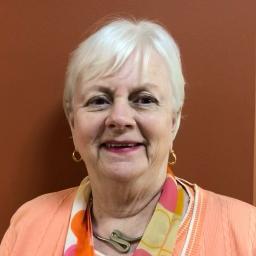
Mary Niedermeier-Bleyaert, LMSW
Calm, experienced social worker helping manage strong emotions
Book with MaryWorks with
- Anger
- Stress, Anxiety
- Relationship issues
- Family conflicts
- Grief
- Depression
How Mary works
Practical facts
- Credentials
- LMSW
- Licensed in
- Michigan
- Years in practice
- 34
- Languages
- English
- Session format
- Online, through our partner platform
About Mary
Mary Niedermeier-Bleyaert is a Licensed Master Social Worker with 34 years of professional experience in Michigan. She focuses on helping people manage stress, anxiety, grief, relationship concerns, and anger. She offers a steady, respectful presence and believes people carry strengths they can use to move forward.
Mary emphasizes straightforward conversation and practical steps. She listens for what matters most and helps people name patterns that cause pain. Sessions are about learning skills and trying small changes that fit daily life.
Background and approach
Her approach blends client-centered work with cognitive and behavioral tools. That means she centers the person’s goals while teaching ways to shift thoughts and reactions. DBT-informed skills are used to handle intense emotions and reduce harmful behaviors.
Mary also draws on emotionally focused ideas to repair connection and on existential perspectives to help people find meaning after big losses. She tailors methods to each person rather than following one script. People who reach out often want help with parenting stress, work and career strain, identity and intimacy issues, or recovery from trauma and abuse.
She also supports those coping with bipolar disorder, ADHD, caregiver fatigue, and career transitions. Her style is calm, direct, and compassionate. New clients can expect clear goals, gentle challenge, and practical homework between sessions to build momentum.
What Mary works with
Everything Mary lists, in the therapist's own terms. Anger is the reason this directory exists; the rest tells you what usually sits alongside it in Mary's practice.
- Stress, Anxiety
- Relationship issues
- Family conflicts
- Grief
- Depression
- LGBT
- Trauma and abuse
- Intimacy-related issues
- Parenting issues
- Anger management
- Self esteem
- Career difficulties
- Bipolar disorder
- Coping with life changes
- Compassion fatigue
- ADHD
- Abandonment
- Aging and geriatric issues
- Antisocial personality
- Attachment issues
- Avoidant personality
- Blended family issues
- Body image
- Caregiver issues and stress
- Codependency
- Commitment issues
- Control issues
- Dependent personality
- Divorce and separation
- Domestic violence
- Emptiness
- Forgiveness
- Guilt and shame
- Impulsivity
- Infidelity
- Jealousy
- Men's issues
- Midlife crisis
- Money and financial issues
- Mood disorders
- Narcissism
- Panic disorder and panic attacks
- Paranoia
- Phobias
- Postpartum depression
- Post-traumatic stress
- Seasonal Affective Disorder (SAD)
- Women's issues
- Workplace issues
Approaches Mary lists
- Client-Centered Therapy
- Cognitive Behavioral Therapy (CBT)
- Dialectical Behavior Therapy (DBT)
- Emotionally-Focused Therapy (EFT)
- Existential Therapy
- Psychodynamic Therapy
Listing an approach is not evidence of training in it. This directory copies what each therapist names and does not check training records.
How her approaches translate to online therapy
Client-centered therapy starts by treating the person as the expert on their life and focuses on listening and building a collaborative plan. Online sessions use that same stance to help clients clarify goals and test changes that matter day to day.Cognitive Behavioral Therapy, or CBT, teaches practical skills to change unhelpful thoughts and behaviors. In remote work this often means identifying specific patterns, practicing coping techniques during sessions, and using short exercises between meetings to build new habits.
Dialectical Behavior Therapy, or DBT, offers emotion regulation, distress tolerance, and interpersonal skills. These tools are useful when anger or intense feelings are frequent, and they translate well to video or phone work where skills can be practiced and reviewed together.
Mary will collaborate with each person to decide which approach or mix of approaches fits best. She works with the client's needs, goals, and preferences and adjusts the plan over time so sessions stay relevant and helpful.
Online formats include video calls, phone sessions, live chat, and text-based messaging. Video is useful for longer, interactive sessions and skill demonstrations. Phone calls can be easier when bandwidth is limited. Live chat and messaging work for brief check-ins, quick skill coaching, or when writing out thoughts feels clearer. These options make it easier to fit therapy into a busy life.
Questions people ask about Mary
What kinds of concerns does she help with?
She works with stress, anxiety, grief, depression, relationship and family matters, anger, trauma and abuse, self-esteem, and related issues listed in her profile.
What is her general approach in sessions?
Sessions combine client-centered listening with practical tools from cognitive behavioral and dialectical behavior therapy. The goal is to set clear aims and practice small changes between meetings.
How much experience does she have?
Mary has 34 years of professional experience working with people on a wide range of emotional and life challenges.
Where is she licensed and based?
She is licensed in Michigan as a Licensed Master Social Worker, noted as MI LMSW in her credentials.
Which languages are supported?
Sessions are offered in English.
What session formats are available?
Therapy is offered via video calls, phone sessions, live chat, and text-based messaging to fit different schedules and needs.
How does pricing work?
Cost varies with location and therapist availability; sessions use a subscription that can be canceled at any time.
How do I begin working with her?
Click the Start Therapy button, complete a short matching questionnaire, and schedule sessions according to the therapist's availability.