Works with
- Anger
- Stress, Anxiety
- Self esteem
- Career difficulties
- Depression
How Myron works
Practical facts
- Credentials
- LPC, LPA
- Licensed in
- Texas, New Jersey, New Mexico
- Years in practice
- 50
- Languages
- English
- Session format
- Online, through our partner platform
About Myron
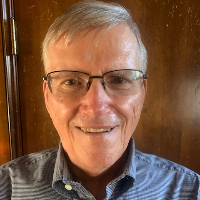
Myron Dianiska is a licensed counselor practicing in Texas with five decades of experience. He focuses on helping people manage stress, anxiety, anger, depression, and addiction so they can function better day to day. He listens first and then helps people set practical goals.
Sessions often include straightforward tools for handling intense feelings, improving sleep, and reducing panic or cravings. Myron works to make steps feel doable rather than overwhelming.
Background and approach
His work covers a broad range of concerns including relationship strain, career stress, grief, trauma, and issues many men face. He also supports people dealing with ADHD, bipolar mood problems, and process addictions such as gambling or problematic internet use. Myron uses a mix of approaches that help people notice what matters, change unhelpful thinking, and build mindful habits.
That can mean learning specific coping skills, practicing present-moment awareness, or clarifying personal values to guide choices. Clients can expect a steady, problem-solving focus paired with emotional support. He encourages collaboration on realistic steps and checks progress along the way.
The goal is clearer thinking and better daily functioning rather than abstract talk. Myron holds LPC and LPA credentials and brings practical experience to sessions. He aims to help people regain control when life feels out of balance and to find a clearer path forward.
What Myron works with
Everything Myron lists, in the therapist's own terms. Anger is the reason this directory exists; the rest tells you what usually sits alongside it in Myron's practice.
- Stress, Anxiety
- Self esteem
- Career difficulties
- Depression
- Addictions
- Relationship issues
- Family conflicts
- Trauma and abuse
- Grief
- Intimacy-related issues
- Sleeping disorders
- Parenting issues
- Anger management
- Bipolar disorder
- Coping with life changes
- Coaching
- Compassion fatigue
- ADHD
- Drug and alcohol addiction
- Fatherhood issues
- Life purpose
- Men's issues
- Mood disorders
- Obsessions, compulsions, and OCD
- Panic disorder and panic attacks
- Phobias
- Post-traumatic stress
- Process addiction (porn, exercise, gambling)
- Seasonal Affective Disorder (SAD)
- Smoking / vaping cessation
- Social anxiety and phobia
- Workplace issues
- Young adult issues
Approaches Myron lists
- Acceptance and Commitment Therapy (ACT)
- Client-Centered Therapy
- Cognitive Behavioral Therapy (CBT)
- Mindfulness Therapy
Listing an approach is not evidence of training in it. This directory copies what each therapist names and does not check training records.
How his approaches translate to online care
Acceptance and Commitment Therapy, or ACT, helps people clarify what matters most and take small steps toward those values. It can reduce the power of painful thoughts and guide choices during stress and life change. Cognitive Behavioral Therapy, or CBT, focuses on identifying unhelpful thought patterns and practicing practical skills to change behaviors and ease anxiety, panic, and mood problems. Mindfulness Therapy teaches simple attention and breathing practices to lower reactivity and improve sleep and focus.Choosing an approach is a collaborative process. The therapist will talk with each person about goals and preferences and then recommend techniques from ACT, CBT, or mindfulness that fit those goals. Progress is checked together and plans are adjusted as needed so the work stays relevant and manageable.
Online sessions include video calls, phone sessions, live chat, or text-based messaging to suit different needs. Video lets people use visual cues and longer discussions. Phone can be easier when bandwidth is limited or for shorter check-ins. Live chat and text messaging work well for quick updates, ongoing coaching, or when typing feels more comfortable. These options make it easier to fit therapy into work breaks, travel, or busy family routines.
Questions people ask about Myron
What kinds of problems does he help with?
He supports people facing stress, anxiety, anger, depression, addiction, grief, trauma, sleep problems, career concerns, and related issues such as ADHD and relationship strain.
What is his therapeutic style like?
He uses a practical, down-to-earth approach that pairs emotional support with goal-setting and skills practice to manage intense feelings and daily challenges.
How long has he been practicing?
He has fifty years of professional experience working with a wide range of mental health and life issues.
Where is he licensed and based?
He holds LPC and LPA credentials and practices in Texas.
What languages are supported for sessions?
Sessions are offered in English.
Which session formats are available?
Sessions can be conducted by video calls, phone sessions, live chat, or text-based messaging.
How are sessions paid for and what does it cost?
Cost varies with location and therapist availability; sessions are provided through a subscription model that can be canceled at any time.
How do I begin working with him?
Start by selecting the Start Therapy button, completing a short matching questionnaire, and then scheduling according to the therapist's availability.