Works with
How Nancy works
Practical facts
- Credentials
- LCSW
- Licensed in
- Florida
- Years in practice
- 32
- Languages
- English
- Session format
- Online, through our partner platform
About Nancy
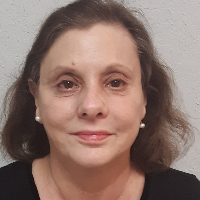
Nancy Arnovits is a licensed clinical social worker with decades of experience helping people manage strong emotions and life stressors. She is direct and practical in sessions, and she focuses on helping people understand what drives their reactions and learn new ways to respond. Many seek her out for anger concerns along with anxiety, grief, and stress.
Her background includes over 32 years in social work, much of it at a large public teaching hospital in Miami, Florida.
Background and approach
That work exposed her to a wide range of situations, including medical and mental health issues, survivors of sexual assault, and people in correctional settings. Those experiences shaped a flexible, down-to-earth approach. Nancy adapts her style to what each person needs.
She draws from client-centered methods to build rapport. She uses cognitive behavioral techniques to help people notice and change unhelpful thinking and habits. She also uses solution-focused ideas to set clear, achievable goals.
She has worked with people facing addiction, relationship strain, parenting stress, mood concerns, trauma, and identity questions including LGBTQ issues. She also supports those coping with chronic illness, caregiver strain, end-of-life worries, and job-related burnout or compassion fatigue. Sessions are offered in English and Nancy accepts international clients.
Her practice emphasizes learning together - she sees therapy as a collaborative process where people gain practical tools to manage anger, control stress, and improve daily functioning.
What Nancy works with
Everything Nancy lists, in the therapist's own terms. Anger is the reason this directory exists; the rest tells you what usually sits alongside it in Nancy's practice.
- Stress, Anxiety
- Trauma and abuse
- Grief
- Depression
- Compassion fatigue
- Addictions
- LGBT
- Relationship issues
- Family conflicts
- Intimacy-related issues
- Eating disorders
- Sleeping disorders
- Parenting issues
- Anger management
- Self esteem
- Career difficulties
- Bipolar disorder
- ADHD
- Aging and geriatric issues
- Antisocial personality
- Blended family issues
- Body image
- Caregiver issues and stress
- Chronic pain, illness, and disability
- Commitment issues
- Communication problems
- Control issues
- Coping with natural or human-caused disaster
- First responder issues
- Gender dysphoria
- Guilt and shame
- Hospice and end-of-life counseling
- Infidelity
- Intellectual disability
- Isolation / loneliness
- Jealousy
- Mood disorders
- Multicultural concerns
- Post-traumatic stress
- Prejudice and discrimination
- Sexual assault and abuse
- Traumatic brain injury
Approaches Nancy lists
- Acceptance and Commitment Therapy (ACT)
- Client-Centered Therapy
- Cognitive Behavioral Therapy (CBT)
- Dialectical Behavior Therapy (DBT)
- Solution-Focused Therapy
Listing an approach is not evidence of training in it. This directory copies what each therapist names and does not check training records.
Approaches that guide online sessions
Acceptance and Commitment Therapy, or ACT, focuses on helping people notice unhelpful thoughts and commit to actions that match their values. It can be useful for anxiety, stress, and for people who want clearer direction in how they live. Cognitive Behavioral Therapy, or CBT, teaches practical skills to change thinking and routine patterns that feed anger, depression, or anxiety. It is action-focused and often involves exercises between sessions. Client-Centered Therapy emphasizes a respectful, listening stance that helps people feel heard and discover their own solutions; this approach supports self-esteem and motivation.Finding the best approach is part of the work together. The therapist will discuss what you want to change, what has helped or not helped before, and try methods that fit your goals and preferences. That collaborative process helps tailor sessions so they feel useful and realistic for day-to-day life.
Online sessions are offered by video calls, phone, live chat, and text-based messaging. Video lets you use visual cues and work through skills together. Phone can be a good choice when bandwidth is limited or when a quieter check-in is needed. Chat and messaging can support shorter check-ins, homework prompts, or ongoing coaching between calls. These options make scheduling more flexible and can help people fit therapy into work, caregiving, or travel obligations.
Questions people ask about Nancy
What kinds of concerns does Nancy address?
She helps with anger, stress, anxiety, depression, trauma, grief, relationship and intimacy problems, parenting strain, addictions, ADHD, bipolar concerns, body image, and many other challenges.
How would you describe her therapeutic style?
Her style is adaptable and practical. She uses client-centered listening, cognitive behavioral techniques, and solution-focused work to help people set goals and change unhelpful patterns.
What professional experience does she bring?
She has more than 32 years of social work experience, including many years at a large public teaching hospital in Miami where she worked with a diverse range of people and clinical situations.
What are her credentials and where is she located?
She is a licensed clinical social worker, FL LCSW, based in Florida.
Can people who live outside the U.S. work with her?
Yes. Sessions are offered in English and she accepts international clients.
Which session formats does she offer?
She conducts video calls, phone sessions, live chat, and text-based messaging to provide flexible ways to connect.
How does payment and cost work?
Cost varies with location and therapist availability; sessions use a subscription model that can be canceled at any time.
What is the first step to begin working with her?
Click the Start Therapy button, complete a short matching questionnaire, and then schedule sessions according to therapist availability.