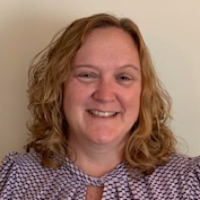
How Renee works
Practical facts
- Credentials
- LMHC
- Licensed in
- New York
- Years in practice
- 18
- Languages
- English
- Session format
- Online, through our partner platform
About Renee
Renee DeVuyst, LMHC, uses a client-centered approach to guide people through stressful and painful times. She focuses on empathy, genuineness, and acceptance while also helping clients make concrete changes. Her style is direct but warm, aiming to validate feelings while pointing out patterns that get in the way of progress.
With 18 years of experience, she has worked with people facing anxiety, depression, addiction, trauma, grief, and anger. She also helps clients navigating relationship struggles, parenting demands, career shifts, and issues related to sexual or domestic violence.
Background and approach
Her background includes treating substance use concerns and process addictions as well as working with people coping with caregiving stress and aging-related matters. Renee blends Client-Centered Therapy with practical tools from Cognitive Behavioral Therapy and Motivational Interviewing. She draws on Solution-Focused and Existential ideas when helpful, aiming to match techniques to each person’s needs.
Sessions emphasize clear communication, real-world goals, and steps clients can try between meetings. Clients can expect an engaged therapist who asks questions, offers reflections, and gently challenges inconsistencies to build self-awareness. Renee prefers an active dialogue rather than long silences and supports people in making meaningful decisions about change.
She completed a master’s degree in Counselor Education at SUNY Brockport and holds New York licensure as an LMHC. Renee provides therapy in English and works with clients through video, phone, live chat, and text messaging formats.
What Renee works with
Everything Renee lists, in the therapist's own terms. Anger is the reason this directory exists; the rest tells you what usually sits alongside it in Renee's practice.
- Stress, Anxiety
- Addictions
- Self esteem
- Depression
- Coping with life changes
- LGBT
- Relationship issues
- Family conflicts
- Trauma and abuse
- Grief
- Intimacy-related issues
- Eating disorders
- Sleeping disorders
- Parenting issues
- Anger management
- Career difficulties
- Bipolar disorder
- Coaching
- Compassion fatigue
- ADHD
- Aging and geriatric issues
- Caregiver issues and stress
- Co-morbidity
- Codependency
- Communication problems
- Domestic violence
- Drug and alcohol addiction
- Family problems
- Isolation / loneliness
- Life purpose
- Midlife crisis
- Post-traumatic stress
- Process addiction (porn, exercise, gambling)
- Self-love
- Sex addiction
Approaches Renee lists
- Client-Centered Therapy
- Cognitive Behavioral Therapy (CBT)
- Existential Therapy
- Motivational Interviewing
- Solution-Focused Therapy
Listing an approach is not evidence of training in it. This directory copies what each therapist names and does not check training records.
How therapeutic approaches translate to online care
Client-Centered Therapy focuses on listening, empathy, and meeting each person where they are. It helps people who need a space to be heard and to make sense of their feelings without judgment. Cognitive Behavioral Therapy (CBT) looks at patterns of thought and behavior and teaches practical skills to shift unhelpful habits; it is useful for anxiety, depression, and anger management. Motivational Interviewing is a conversational way to explore ambivalence and strengthen motivation for change, often used when someone is unsure about taking steps around addiction or other behaviors.Choosing an approach is a collaborative process. The therapist will discuss goals, preferences, and what feels most useful, then tailor techniques from these approaches to fit each person. Clients can expect to try strategies in session and apply small experiments between meetings so progress is practical and measured.
Online therapy offers flexibility in how sessions happen. Video calls are close to an in-person visit and work well for in-depth conversations. Phone sessions can be easier when bandwidth is limited or when someone prefers not to use video. Live chat and text messaging let people check in more frequently, send short updates, or have brief coaching-style exchanges between longer sessions. These options help fit therapy around work, caregiving, or other daily demands.
Questions people ask about Renee
What concerns does this therapist address?
She helps people with stress, anxiety, depression, addictions, grief, anger, trauma, and related concerns such as parenting strain and career changes.
What is her general therapy style?
Her work is client-centered and empathetic while also being active and goal-focused. She blends validation with practical steps to support change.
How much clinical experience does she have?
She has 18 years of experience working with individuals on mental health and substance use concerns across a range of issues.
What are her credentials and location?
She holds a Master’s in Counselor Education from SUNY Brockport and is licensed in New York as an LMHC.
In which language are sessions offered?
Sessions are offered in English and international clients are not currently accepted.
Which session formats are available?
She works across video calls, phone sessions, live chat, and text-based messaging to fit different communication needs.
How does pricing work?
Cost varies with location and therapist availability, and sessions use a subscription that can be canceled at any time.
How do I begin working with her?
Start by selecting the Start Therapy button, complete a short matching questionnaire, and then schedule a session based on therapist availability.