Works with
- Anger
- Stress, Anxiety
- Relationship issues
- Family conflicts
- Career difficulties
- Coping with life changes
How Rodney works
Practical facts
- Credentials
- LPC
- Licensed in
- South Carolina
- Years in practice
- 33
- Languages
- English
- Session format
- Online, through our partner platform
About Rodney
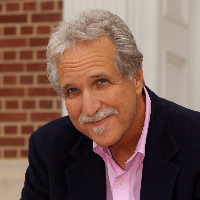
Rev. Rodney Kerr is a licensed professional counselor with 33 years of experience based in South Carolina. He blends practical talk and clear goals to help people facing stress, anger, relationship strain, grief, addictions, and career changes.
He frames sessions around real-life steps that clients can use outside the session. He draws on approaches such as Acceptance and Commitment Therapy, Cognitive Behavioral Therapy, and Emotionally-Focused Therapy to fit each person’s needs.
Background and approach
Sessions focus on identifying strengths, spotting patterns that cause pain, and trying small changes that lead to better days. He also uses tools like PREPARE/ENRICH and SYMBIS for premarital conversations when relevant. Over three decades he has worked in professional and pastoral counseling settings.
That background informs a style that mixes practical coaching with counseling techniques. He helps people set clear goals and follow steps to reach them, whether the challenge is parenting stress, intimacy issues, or managing anger. Clients can expect a straightforward approach that names problems, explores options, and practices new skills.
He uses assessments such as StrengthsFinder and the Myers-Briggs Type Indicator to increase self-understanding when helpful. That information is used as a tool rather than a label. Rev.
Kerr aims to help people move through life transitions and build more satisfying relationships. He invites clients to work together on goals and to try new ways of handling old patterns.
What Rodney works with
Everything Rodney lists, in the therapist's own terms. Anger is the reason this directory exists; the rest tells you what usually sits alongside it in Rodney's practice.
- Stress, Anxiety
- Relationship issues
- Family conflicts
- Career difficulties
- Coping with life changes
- Addictions
- Grief
- Intimacy-related issues
- Sleeping disorders
- Parenting issues
- Anger management
- Self esteem
- Depression
- Coaching
- Abandonment
- Codependency
- Commitment issues
- Communication problems
- Control issues
- Divorce and separation
- Emptiness
- Family of origin issues
- Family problems
- Fatherhood issues
- Forgiveness
- Guilt and shame
- Hospice and end-of-life counseling
- Infidelity
- Isolation / loneliness
- Jealousy
- Life purpose
- Men's issues
- Midlife crisis
- Mood disorders
- Self-love
- Sex addiction
- Workplace issues
- Young adult issues
Approaches Rodney lists
- Acceptance and Commitment Therapy (ACT)
- Client-Centered Therapy
- Cognitive Behavioral Therapy (CBT)
- Dialectical Behavior Therapy (DBT)
- Emotionally-Focused Therapy (EFT)
- Existential Therapy
- Gottman Method
- Jungian Therapy
- Psychodynamic Therapy
- Solution-Focused Therapy
Listing an approach is not evidence of training in it. This directory copies what each therapist names and does not check training records.
Therapeutic approaches and online sessions
Acceptance and Commitment Therapy (ACT) helps people clarify what matters to them and take small steps toward those values while learning to live with difficult thoughts or feelings. Cognitive Behavioral Therapy (CBT) focuses on identifying unhelpful thoughts and testing new behaviors to reduce symptoms like anxiety, sleep problems, or anger. Emotionally-Focused Therapy (EFT) helps people name and change the patterns that lead to relationship distance and hurt, so partners and individuals can respond differently to emotional triggers.Choosing the right approach is part of the work. The therapist will listen to your concerns, discuss goals, and together decide which methods to try first. That collaborative process can shift over time if a different technique seems more useful for a particular problem.
Online sessions are offered as video calls, phone sessions, live chat, or text-based messaging to fit different needs. Video is useful for deeper conversations that benefit from visual cues. Phone calls are helpful when bandwidth is limited or during a break at work. Live chat and text messaging work well for brief check-ins, skill practice, or when someone prefers written communication. These options make it easier to keep therapy consistent around a busy life.
Questions people ask about Rodney
What concerns does he address?
He helps people with stress, anxiety, anger, relationship and family problems, career and life transitions, addictions, grief, intimacy and self-esteem issues.
What is his therapeutic style?
He uses a practical, goal-focused style that combines talk, skill practice, and assessment tools to help people make changes that matter in daily life.
How long has he been practicing?
He has 33 years of experience working in professional and pastoral counseling settings in South Carolina.
What credentials and location are listed?
He is an LPC - Licensed Professional Counselor - practicing in South Carolina.
Which languages are used for sessions?
Sessions are offered in English.
What session formats does he offer?
He provides video calls, phone sessions, live chat, and text-based messaging as ways to connect.
How is cost handled?
Cost varies with location and therapist availability and sessions use a subscription model that can be canceled at any time.
How do I begin working with him?
Use the Start Therapy button, complete a short matching questionnaire, and then schedule sessions according to the therapist's availability.