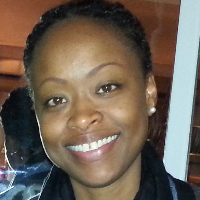
Works with
How Sharon works
Practical facts
- Credentials
- LCSW
- Licensed in
- New York
- Years in practice
- 11
- Languages
- English
- Session format
- Online, through our partner platform
About Sharon
Sharon Jordan is a Licensed Clinical Social Worker (LCSW) based in New York who helps people manage stress, anger, anxiety, and the fallout from trauma. She also supports clients facing grief, relationship strain, parenting challenges, and struggles with self-esteem or addictions. Her tone in sessions is warm and respectful, aiming to make difficult conversations easier to start.
Sharon draws on 11 years of experience in both direct therapy and family stabilization work.
Background and approach
Before becoming a clinician she spent six years in a behavior modification program that worked with families under severe stress. That background shapes her practical focus on safety and steady, realistic progress. Her style is client-centered and strengths-based.
She uses evidence-informed tools and adapts them to each person’s goals. In practice that means clarifying what matters most, building small, doable skills, and checking in on what’s working. Therapeutic approaches include acceptance and commitment ideas, cognitive behavioral techniques, mindfulness, and dialectical behavior strategies.
These are used to address intense emotions, unhelpful thinking patterns, and relationship difficulties in concrete ways. Sessions aim to be collaborative and goal-oriented. Sharon emphasizes dignity and compassion while helping people develop coping plans, set boundaries, and reduce symptoms that interfere with daily life.
She welcomes conversations about adoption and foster care, multicultural concerns, ADHD, and other listed focuses. People who choose her often want practical tools alongside empathetic support. Sharon encourages clients to take one small step at a time and helps them track progress toward clearer, more manageable routines and relationships.
What Sharon works with
Everything Sharon lists, in the therapist's own terms. Anger is the reason this directory exists; the rest tells you what usually sits alongside it in Sharon's practice.
- Stress, Anxiety
- Trauma and abuse
- Grief
- Coping with life changes
- ADHD
- Addictions
- LGBT
- Relationship issues
- Family conflicts
- Intimacy-related issues
- Parenting issues
- Anger management
- Self esteem
- Career difficulties
- Depression
- Coaching
- Compassion fatigue
- Adoption and foster care
- Disruptive Mood Dysregulation Disorder (DMDD)
- Family problems
- Multicultural concerns
- Self-love
- Social anxiety and phobia
Approaches Sharon lists
- Acceptance and Commitment Therapy (ACT)
- Client-Centered Therapy
- Cognitive Behavioral Therapy (CBT)
- Dialectical Behavior Therapy (DBT)
- Mindfulness Therapy
- Motivational Interviewing
- Psychodynamic Therapy
- Solution-Focused Therapy
- Trauma-Focused Therapy
- Internal Family Systems
Listing an approach is not evidence of training in it. This directory copies what each therapist names and does not check training records.
How specific approaches are used in online therapy
Acceptance and Commitment Therapy (ACT) helps people clarify what matters most and take small actions that match their values. It can reduce struggle with difficult emotions by teaching ways to notice thoughts and choose values-driven steps. Cognitive Behavioral Therapy (CBT) focuses on spotting unhelpful thoughts and testing them with real-life experiments. CBT is useful for anxiety, depression, and patterns that keep problems going. Mindfulness Therapy trains attention and present-moment awareness, which helps with stress, impulsive reactions, and emotional regulation.Choosing the right mix of approaches is a team effort. Sharon will work together with each person to pick methods that fit their goals, preferences, and daily life. She checks in regularly and adjusts techniques when something isn't helping or when new priorities emerge.
Online formats include video calls, phone sessions, live chat, and text-based messaging to provide flexibility. Video is useful for deeper, face-to-face work and skill practice. Phone sessions can be easier when bandwidth is limited or for a shorter check-in. Live chat and text messaging can help with quick coaching, brief reflections, or to stay connected between longer sessions. These options make it simpler to fit therapy into busy schedules and to keep steady momentum toward personal goals.
Questions people ask about Sharon
What concerns does she help with?
She supports people dealing with stress, anger, anxiety, depression, trauma and abuse, grief, parenting strain, relationship and intimacy issues, addictions, ADHD, and related concerns.
How would you describe her therapeutic style?
Her style is warm, client-centered, and strengths-based. She focuses on practical skills, steady progress, and treating each person with dignity and respect.
What is Sharon's background and experience?
She has 11 years of experience, including six years working in a behavior modification program that supported families facing severe stress before moving into clinical therapy work.
What credentials and location are listed?
She is a Licensed Clinical Social Worker, LCSW, licensed in New York.
Which languages are sessions offered in and can international clients join?
Sessions are offered in English and international clients are accepted.
What session formats are available online?
Sharon offers video calls, phone sessions, live chat, and text-based messaging to fit different needs and schedules.
How does pricing and payment work?
Cost varies with location and therapist availability and sessions use a subscription that can be canceled at any time.
How do I begin working with her?
Start by selecting the Start Therapy button, completing a short matching questionnaire, and then scheduling according to the therapist's availability.