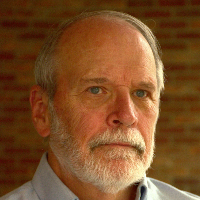
Stephen Drozda, CO Psychologist
Experienced psychologist focused on practical solutions
Book with StephenWorks with
- Anger
- Stress, Anxiety
- Relationship issues
- Family conflicts
- Trauma and abuse
- Depression
How Stephen works
Practical facts
- Credentials
- CO Psychologist
- Licensed in
- Colorado
- Years in practice
- 49
- Languages
- English
- Session format
- Online, through our partner platform
About Stephen
Stephen Drozda is a Colorado psychologist with decades of experience helping people face stress, anger, anxiety, depression, and relationship or family concerns. He takes a direct, practical approach and helps clients set clear goals and take steps toward change. His style is solutions-oriented and down-to-earth.
He brings many years of work in clinics, hospitals, and independent practice to each session. Dr. Drozda uses straightforward methods that focus on problem solving.
Background and approach
He leans on cognitive behavioral tools to identify unhelpful thoughts and behaviors and teaches skills from dialectical behavior therapy when needed. He also uses solution-focused techniques to keep sessions goal-directed and efficient. He has worked with people coping with trauma, loss, health changes, aging, chronic illness, and addiction.
He also supports those dealing with intimacy issues, parenting stress, career concerns, and a range of mood and anxiety disorders. His long career includes roles as a psychotherapist, evaluator, administrator, and graduate-level instructor. Stephen earned a Master of Arts and a Doctor of Philosophy in psychology from the University of Missouri-Columbia and has practiced in the Denver area for many years.
He holds the credential CO Psychologist 1255. In sessions he stays active and practical, helping people build skills they can use between appointments. Most meetings are by video or phone, and he also responds to client messages between visits.
He is a husband and parent who enjoys travel, outdoor activities, music, and theater.
What Stephen works with
Everything Stephen lists, in the therapist's own terms. Anger is the reason this directory exists; the rest tells you what usually sits alongside it in Stephen's practice.
- Stress, Anxiety
- Relationship issues
- Family conflicts
- Trauma and abuse
- Depression
- Addictions
- LGBT
- Grief
- Intimacy-related issues
- Parenting issues
- Anger management
- Self esteem
- Career difficulties
- Bipolar disorder
- Coping with life changes
- ADHD
- Aging and geriatric issues
- Avoidant personality
- Caregiver issues and stress
- Chronic pain, illness, and disability
- Commitment issues
- Communication problems
- Family of origin issues
- Family problems
- Isolation / loneliness
- Men's issues
- Veteran and Armed Forces Issues
- Mood disorders
- Obsessions, compulsions, and OCD
- Panic disorder and panic attacks
- Personality disorders
- Phobias
- Post-traumatic stress
- Social anxiety and phobia
Approaches Stephen lists
Listing an approach is not evidence of training in it. This directory copies what each therapist names and does not check training records.
How his approaches translate to online care
Dr. Drozda commonly uses cognitive behavioral therapy and dialectical behavior therapy techniques. Cognitive behavioral therapy helps people spot unhelpful thoughts and change behaviors that keep problems going, and it is useful for anxiety, depression, and anger issues. Dialectical behavior therapy offers skills for managing strong emotions, improving distress tolerance, and strengthening interpersonal effectiveness.He also draws on solution-focused therapy to keep work practical and goal-directed. That approach focuses on what is working now and on small, achievable changes people can try between sessions. Deciding which approach to use is a team effort - the therapist will discuss your goals and preferences and help choose methods that fit your needs.
Online formats include video calls, phone sessions, live chat, and text-based messaging. Video lets you meet face to face without travel. Phone sessions can be simpler when bandwidth is limited or for brief check-ins. Live chat and messaging work well for short updates, skill coaching, or when you want written notes to refer back to. These options make scheduling easier and help fit therapy into a busy life.
Questions people ask about Stephen
What kinds of concerns does he help with?
He supports people dealing with stress, anger, anxiety, depression, relationship and family problems, trauma and abuse, addictions, grief, intimacy issues, parenting challenges, ADHD, and other mood or behavior concerns.
What is his therapeutic style like?
He uses an active, problem-solving style that focuses on practical steps. Sessions are goal-directed and emphasize skills people can use between meetings.
What is his background and experience?
He has 49 years in the mental health field as a psychotherapist, evaluator, administrator, and graduate instructor, and has worked in clinics, hospitals, residential centers, nursing facilities, and independent practice.
What credentials and location are listed?
He is identified as CO Psychologist 1255 and practices in Colorado.
Which languages are offered and can he work internationally?
Sessions are offered in English. He is not currently accepting international clients.
What session formats are available?
He meets with clients by video calls, phone sessions, live chat, and text-based messaging.
How does cost and scheduling work?
Cost varies with location and therapist availability; sessions use a subscription that can be canceled at any time.
How do I begin working with him?
Start by selecting the Start Therapy button, complete a short matching questionnaire, and then schedule sessions based on the therapist's available times.