Works with
- Anger
- Addictions
- Trauma and abuse
- Anger management
- Depression
- ADHD
How Susan works
Practical facts
- Credentials
- LPC
- Licensed in
- Texas
- Years in practice
- 28
- Languages
- English
- Session format
- Online, through our partner platform
About Susan
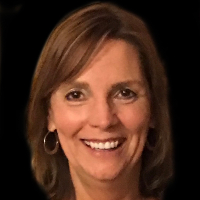
Dr. Susan Eaton is a Licensed Professional Counselor (LPC) in Texas with 28 years of experience. She helps people who are struggling with anger, anxiety, depression, addiction, and other stressors.
Her approach is practical and person-focused, aimed at reducing symptoms and improving day-to-day functioning. She combines straightforward conversation with hands-on tools. Sessions typically include goal setting, behavioral strategies, and skills practice.
She draws on acceptance and commitment ideas alongside cognitive behavior techniques to help people notice patterns and make different choices.
Background and approach
Dr. Eaton also uses client-centered and emotionally-focused methods to strengthen self-awareness and understanding. This means she listens closely and helps people name feelings and needs.
When trauma, grief, or loss are present, she helps people process those experiences at a manageable pace. Her work often addresses co-occurring challenges such as addiction, ADHD, sleep problems, and relationship conflict. She pays attention to caregiver stress, family of origin issues, codependency, and first responder concerns.
Her goal is to help people build practical skills that fit their life circumstances. Sessions are offered in several online formats, including video, phone, live chat, and text messaging. To begin, people complete a short matching questionnaire and schedule appointments based on the therapist's availability.
What Susan works with
Everything Susan lists, in the therapist's own terms. Anger is the reason this directory exists; the rest tells you what usually sits alongside it in Susan's practice.
- Addictions
- Trauma and abuse
- Anger management
- Depression
- ADHD
- Stress, Anxiety
- Relationship issues
- Family conflicts
- Grief
- Intimacy-related issues
- Eating disorders
- Sleeping disorders
- Parenting issues
- Self esteem
- Bipolar disorder
- Coping with life changes
- Compassion fatigue
- Abandonment
- Blended family issues
- Caregiver issues and stress
- Co-morbidity
- Codependency
- Communication problems
- Control issues
- Disruptive Mood Dysregulation Disorder (DMDD)
- Divorce and separation
- Drug and alcohol addiction
- Family of origin issues
- Family problems
- First responder issues
- Forgiveness
- Guilt and shame
- Hospice and end-of-life counseling
- Impulsivity
- Isolation / loneliness
- Life purpose
- Veteran and Armed Forces Issues
- Mood disorders
- Panic disorder and panic attacks
- Personality disorders
- Post-traumatic stress
- Self-love
- Traumatic brain injury
- Women's issues
- Young adult issues
Approaches Susan lists
- Acceptance and Commitment Therapy (ACT)
- Client-Centered Therapy
- Cognitive Behavioral Therapy (CBT)
- Dialectical Behavior Therapy (DBT)
- Emotionally-Focused Therapy (EFT)
- Existential Therapy
- Mindfulness Therapy
- Motivational Interviewing
- Narrative Therapy
- Psychodynamic Therapy
- Solution-Focused Therapy
- Trauma-Focused Therapy
Listing an approach is not evidence of training in it. This directory copies what each therapist names and does not check training records.
How her approaches translate to online therapy
Acceptance and Commitment Therapy helps people notice their thoughts and choose actions that match their values. Online sessions use this approach to set small, workable goals and practice acceptance and action steps between meetings. Cognitive Behavioral Therapy focuses on changing thinking and behavior patterns; in remote sessions this often means learning specific skills, doing short exercises, and tracking progress together between meetings.Finding the right approach is part of the work. The therapist collaborates with each person to pick methods that fit their needs, goals, and preferences. That choice can shift over time as goals change or new issues come up, and the therapist checks in regularly to make sure the plan stays useful.
Online therapy offers flexibility and practical benefits. Video calls allow face-to-face conversation when a full session is helpful. Phone sessions can be easier when bandwidth is limited or for a quicker check-in. Live chat and text messaging make it possible to touch base more often, send brief updates, or practice skills in real time. These options help people fit therapy into busy days and keep progress moving forward.
Questions people ask about Susan
What kinds of problems does this therapist address?
She works with a wide range of concerns including anger, addictions, trauma, anxiety, depression, relationship issues, grief, sleep and eating problems.
What is the therapy style like in sessions?
The style is warm and interactive, combining conversational listening with practical skills practice to help people change unhelpful patterns.
How much clinical experience does this therapist have?
She has 28 years of experience working as a counselor and supporting people through a variety of mental health and behavioral concerns.
What credentials and location should I know about?
She is a Licensed Professional Counselor with a TX LPC credential and practices from Texas.
Are sessions offered in other languages or internationally?
Sessions are offered in English and international clients are not currently accepted.
What session formats are available online?
She offers video calls, phone sessions, live chat, and text-based messaging to fit different needs and schedules.
How are costs and billing handled?
Cost varies with location and therapist availability; sessions use a subscription model that can be canceled at any time.
How do I start working with this therapist?
Begin by selecting the Start Therapy button, complete the short matching questionnaire, and then schedule sessions according to the therapist's availability.