Works with
- Anger
- Stress, Anxiety
- Addictions
- Relationship issues
- Intimacy-related issues
- Self esteem
How Tanya works
Practical facts
- Credentials
- LMHC
- Licensed in
- Florida
- Years in practice
- 11
- Languages
- English
- Session format
- Online, through our partner platform
About Tanya
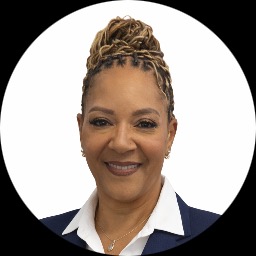
Tanya Smith is a Licensed Mental Health Counselor (LMHC) based in Florida with 11 years of clinical experience. She uses a practical, client-centered approach to help people manage stress, anxiety, anger, addiction concerns, and relationship or intimacy difficulties. Tanya keeps sessions collaborative and straightforward so parents and individuals can quickly see what to expect.
She draws on Acceptance and Commitment Therapy and Cognitive Behavioral Therapy to help people notice unhelpful patterns and try new, workable strategies in daily life.
Background and approach
Emotionally-Focused Therapy and Client-Centered Therapy shape how she listens and helps people name emotions and reconnect around what matters most. Sessions focus on small, usable steps rather than abstract theory. Tanya has a background in case management, trauma-informed care, and substance use support.
That experience informs how she builds plans that fit each person’s life, whether coping with grief, navigating family strain, addressing eating and body-image concerns, or managing ADHD-related stress. She aims for clear goals and measurable progress. Her style is warm and nonjudgmental.
Tanya emphasizes respect, kindness, and practical problem solving. She works with clients to set short-term targets and track changes week to week. Appointments can include conversation, behavioral practice, and simple mindfulness exercises.
Tanya tailors methods to each person’s needs and schedules sessions to fit busy lives.
What Tanya works with
Everything Tanya lists, in the therapist's own terms. Anger is the reason this directory exists; the rest tells you what usually sits alongside it in Tanya's practice.
- Stress, Anxiety
- Addictions
- Relationship issues
- Intimacy-related issues
- Self esteem
- LGBT
- Family conflicts
- Trauma and abuse
- Grief
- Eating disorders
- Parenting issues
- Anger management
- Depression
- Coping with life changes
- Coaching
- ADHD
- Aging and geriatric issues
- Blended family issues
- Body image
- Caregiver issues and stress
- Codependency
- Commitment issues
- Communication problems
- Divorce and separation
- Domestic violence
- Drug and alcohol addiction
- Eating and food-related issues
- Emptiness
- Family problems
- Fatherhood issues
- Forgiveness
- Gender dysphoria
- Guilt and shame
- HIV / AIDS
- Infidelity
- Isolation / loneliness
- Life purpose
- Midlife crisis
- Money and financial issues
- Postpartum depression
- Pregnancy and childbirth
- Self-love
- Social anxiety and phobia
- Women's issues
- Workplace issues
- Young adult issues
Approaches Tanya lists
- Acceptance and Commitment Therapy (ACT)
- Client-Centered Therapy
- Cognitive Behavioral Therapy (CBT)
- Emotionally-Focused Therapy (EFT)
- Existential Therapy
- Mindfulness Therapy
- Motivational Interviewing
- Narrative Therapy
- Psychodynamic Therapy
- Solution-Focused Therapy
- Trauma-Focused Therapy
Listing an approach is not evidence of training in it. This directory copies what each therapist names and does not check training records.
Therapeutic approaches for online sessions
Acceptance and Commitment Therapy (ACT) helps people clarify what matters to them and take committed steps toward those values even when emotions feel overwhelming. It is useful for stress, anxiety, anger, and life transitions. Cognitive Behavioral Therapy (CBT) focuses on spotting unhelpful thoughts and testing new behaviors to reduce symptoms and improve daily functioning. It often helps with anxiety, depression, addiction-related patterns, and coping skills. Client-Centered Therapy emphasizes listening, empathy, and collaboration so people feel heard and can explore their goals at their own pace.Choosing the right approach is part of the work. Tanya will help clients decide together which methods fit their goals and preferences. That choice can shift over time as progress is made and priorities change.
Online therapy offers flexible ways to connect. Video calls let people use visual cues and deeper conversation. Phone sessions work when bandwidth is limited or a shorter check-in is needed. Live chat and text-based messaging are useful for quick support, homework check-ins, or when someone prefers writing to talking. These options make it easier to keep therapy consistent around work, parenting, and day-to-day life.
Questions people ask about Tanya
What kinds of concerns does Tanya address?
She helps with stress, anxiety, depression, anger, addictions, relationship and intimacy issues, self-esteem, grief, trauma and abuse, parenting concerns, eating and body-image issues, ADHD, and related life changes.
What is her therapeutic style like?
Her style is client-centered and collaborative. Sessions focus on practical steps, emotion awareness, and tools you can use between meetings.
What experience does she bring?
She has 11 years of experience including case management, trauma-informed care, psychotherapy, and substance use support.
Where is Tanya licensed and located?
She is a Licensed Mental Health Counselor (LMHC) practicing in the state of Florida.
Which languages are sessions offered in?
Sessions are offered in English.
Can people outside the U.S. work with her?
She is not accepting international clients at this time and works with clients located where her Florida license applies.
What session formats does she use?
She offers video calls, phone sessions, live chat, and text-based messaging to fit different schedules and needs.
How does payment and getting started work?
Cost varies by location and therapist availability and uses a subscription that can be canceled at any time. To begin, select the Start Therapy button, complete a short matching questionnaire, and schedule according to therapist availability.