Works with
- Anger
- Stress, Anxiety
- Relationship issues
- Grief
- Anger management
- Compassion fatigue
How Thomas works
Practical facts
- Credentials
- LPC
- Licensed in
- Texas
- Years in practice
- 30
- Languages
- English
- Session format
- Online, through our partner platform
About Thomas
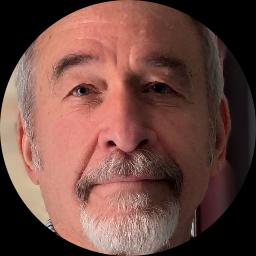
Thomas (Thom) Wilder is a Licensed Professional Counselor who helps people manage stress, anger, anxiety, and relationship strain. He emphasizes listening first so he can understand each person’s strengths and struggles. Thom aims to create a calm space where people can talk through what matters most to them.
Thom draws on 30 years of experience and long practice in Texas to shape practical plans for change. He uses straightforward tools from cognitive behavioral approaches to challenge unhelpful thinking.
Background and approach
He also teaches mindfulness skills to reduce reactivity and improve focus. In sessions he blends talk therapy with skills practice. That can mean learning new ways to handle anger, practicing strategies to sleep better, or trying communication exercises for strained relationships.
He adjusts the pace to fit each person’s needs and goals. Thom often helps people facing grief, loss, chronic illness, or caregiving stress. He also supports those dealing with addiction, mood disorders, ADHD, and coping with life changes.
He approaches these issues by looking at the whole person - body, thoughts, and relationships - rather than only symptoms. People who want clear, practical steps and calm guidance may find his style useful. He works with individual adults and offers sessions that fit different schedules and preferences.
What Thomas works with
Everything Thomas lists, in the therapist's own terms. Anger is the reason this directory exists; the rest tells you what usually sits alongside it in Thomas's practice.
- Stress, Anxiety
- Relationship issues
- Grief
- Anger management
- Compassion fatigue
- Addictions
- Family conflicts
- Trauma and abuse
- Intimacy-related issues
- Sleeping disorders
- Parenting issues
- Self esteem
- Career difficulties
- Bipolar disorder
- Depression
- Coping with life changes
- Coaching
- ADHD
- Aging and geriatric issues
- Blended family issues
- Cancer
- Caregiver issues and stress
- Chronic pain, illness, and disability
- Communication problems
- Coping with natural or human-caused disaster
- Divorce and separation
- Family problems
- Forgiveness
- Guilt and shame
- Hospice and end-of-life counseling
- Life purpose
- Midlife crisis
- Mood disorders
- Obsessions, compulsions, and OCD
- Panic disorder and panic attacks
- Paranoia
- Postpartum depression
- Post-traumatic stress
- Somatization
Approaches Thomas lists
- Client-Centered Therapy
- Cognitive Behavioral Therapy (CBT)
- Dialectical Behavior Therapy (DBT)
- Gottman Method
- Mindfulness Therapy
- Solution-Focused Therapy
- Somatic Therapy
- Trauma-Focused Therapy
Listing an approach is not evidence of training in it. This directory copies what each therapist names and does not check training records.
Practical therapy approaches for online care
Thom uses Client-Centered Therapy and Cognitive Behavioral Therapy as core parts of his online work. Client-Centered Therapy focuses on listening and building a respectful relationship so people feel heard and understood. Cognitive Behavioral Therapy (CBT) targets thoughts and behaviors with concrete exercises to reduce anxiety, low mood, and reactive anger.He also draws on Dialectical Behavior Therapy (DBT) skills when emotion regulation and interpersonal effectiveness are needed. DBT skills teach ways to tolerate distress, manage strong emotions, and communicate more clearly in heated moments.
Finding the right approach is a shared process. Thom will talk with each person about goals and preferences, then try methods that fit those needs. He adjusts techniques over time so sessions stay useful and relevant to real life.
Online therapy offers several practical benefits. Video sessions allow face-to-face conversation when that helps. Phone sessions can be easier when bandwidth is limited or a quick check-in is needed. Live chat and text-based messaging work well for brief support, homework check-ins, or pacing therapy across a busy week. These options make it easier to fit counseling into work, caregiving, or travel schedules while using the approaches described above.
Questions people ask about Thomas
What concerns does he help with?
He helps people handle stress, anxiety, anger, grief, relationship strain, depression, mood disorders, addiction, ADHD, and related life challenges.
What is his general approach in sessions?
He listens first and then builds a plan with practical steps. Sessions often include skill practice, cognitive work, and mindfulness exercises.
How much experience does he bring?
Thom has 30 years of experience as a counselor and has worked with many adults on mood, trauma, and stress-related issues.
What are his credentials and where is he located?
He is a Licensed Professional Counselor (LPC) in Texas and practices under that credential.
Can people who live outside the United States work with him?
Yes, he accepts international clients. Sessions are offered in English.
Which session formats are available?
He offers video calls, phone sessions, live chat, and text-based messaging to fit different needs and schedules.
How are sessions paid for?
Cost varies with location and therapist availability; sessions use a subscription that can be canceled at any time.
How do I begin if I want to work with him?
Start by selecting the Start Therapy button, complete a short matching questionnaire, and schedule sessions according to therapist availability.