Works with
- Anger
- Stress, Anxiety
- Addictions
- Self esteem
- Depression
- Coaching
How Brian works
Practical facts
- Credentials
- LPCC, LPC
- Licensed in
- Texas, Missouri, California, New Jersey
- Years in practice
- 5
- Languages
- English
- Session format
- Online, through our partner platform
About Brian
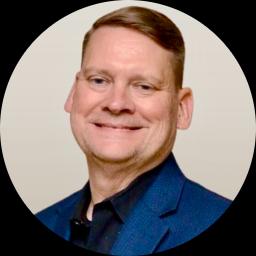
Brian Sharp is a licensed counselor who helps people face anger, stress, anxiety, and life transitions. He holds LPCC and LPC credentials and practices in Texas. He brings five years of clinical experience to each session and focuses on practical strategies clients can use between meetings.
Brian works with adults who want to reduce reactive behavior and improve daily functioning. He listens for the patterns that trigger intense emotions and helps people build new coping skills.
Background and approach
Sessions are straightforward and goal-focused, with an emphasis on skills that translate to real situations. His background includes multiple evidence-informed approaches such as Acceptance and Commitment Therapy, Cognitive Behavioral Therapy, and Client-Centered methods. He adapts those tools to the needs of the person in front of him, using exercises, thought work, and mindfulness practices when helpful.
Brian often supports people dealing with addictions, low self-esteem, depression, relationship strain, career stress, and major life changes. He also works with issues like abandonment, commitment concerns, communication problems, and impulsivity. The work typically centers on building awareness and practical routines that reduce anger and improve coping.
Sessions are available through video calls, phone, live chat, or text-based messaging. People use a subscription model that can be canceled at any time. To begin, clients select the Start Therapy button, complete a short matching questionnaire, and schedule based on therapist availability.
What Brian works with
Everything Brian lists, in the therapist's own terms. Anger is the reason this directory exists; the rest tells you what usually sits alongside it in Brian's practice.
- Stress, Anxiety
- Addictions
- Self esteem
- Depression
- Coaching
- LGBT
- Relationship issues
- Family conflicts
- Anger management
- Career difficulties
- Coping with life changes
- Abandonment
- Aging and geriatric issues
- Antisocial personality
- Attachment issues
- Caregiver issues and stress
- Commitment issues
- Communication problems
- Control issues
- Divorce and separation
- Drug and alcohol addiction
- Emptiness
- Family problems
- Forgiveness
- Guilt and shame
- Impulsivity
- Infidelity
- Isolation / loneliness
- Jealousy
- Life purpose
- Men's issues
- Midlife crisis
- Money and financial issues
- Mood disorders
- Multicultural concerns
- Obsessions, compulsions, and OCD
- Panic disorder and panic attacks
- Phobias
- Prejudice and discrimination
- Process addiction (porn, exercise, gambling)
- Self-harm
- Self-love
- Sex addiction
- Sexuality
- Social anxiety and phobia
- Workplace issues
- Young adult issues
Approaches Brian lists
- Acceptance and Commitment Therapy (ACT)
- Client-Centered Therapy
- Cognitive Behavioral Therapy (CBT)
- Dialectical Behavior Therapy (DBT)
- Mindfulness Therapy
- Motivational Interviewing
- Psychodynamic Therapy
- Solution-Focused Therapy
Listing an approach is not evidence of training in it. This directory copies what each therapist names and does not check training records.
Online approaches that support emotion regulation
Acceptance and Commitment Therapy helps people notice difficult thoughts and feelings without being driven by them. It focuses on values-based action and small steps toward a meaningful life, which can reduce stuck patterns that feed anger. Cognitive Behavioral Therapy teaches specific skills to change unhelpful thoughts and behaviors, such as spotting triggers, testing beliefs, and practicing new responses to stress.Finding the right approach is a collaborative process. The therapist will work with each person to decide which methods match their goals, needs, and preferences. Sessions may blend ACT, CBT, and client-centered techniques so work feels tailored rather than one-size-fits-all.
Online formats offer flexibility for busy schedules and different comfort levels. Video calls let people use exercises and visual tools together. Phone sessions can be a simpler option when bandwidth is limited or a shorter check-in is needed. Live chat and text-based messaging allow ongoing support between meetings and work well for quick skill reminders or check-ins during difficult moments.
These options make it easier to keep momentum, practice skills in daily life, and fit therapy into work or family routines.
Questions people ask about Brian
What problems does this therapist commonly help with?
He helps people with anger, stress, anxiety, depression, addictions, self-esteem, relationship strain, career stress, and coping with life changes.
What is his therapeutic style like?
His approach is direct and practical, focusing on clear skills and short exercises. He combines listening with concrete tools people can use between sessions.
How much clinical experience does he have?
He has five years of experience working as a licensed counselor using multiple evidence-informed methods.
What credentials and location apply to this therapist?
He holds LPCC and LPC credentials and practices in Texas under CA LPCC and TX LPC designations.
Which languages are supported for sessions?
Sessions are offered in English.
What session formats are available?
Sessions can be conducted via video calls, phone sessions, live chat, or text-based messaging.
How is cost handled for sessions?
Cost varies by location and therapist availability and uses a subscription that can be canceled at any time.
How do I begin working with this therapist?
Choose the Start Therapy button, fill out a short matching questionnaire, and then schedule sessions according to the therapist's availability.