Works with
How Diann works
Practical facts
- Credentials
- LMHC
- Licensed in
- Florida
- Years in practice
- 8
- Languages
- English
- Session format
- Online, through our partner platform
About Diann
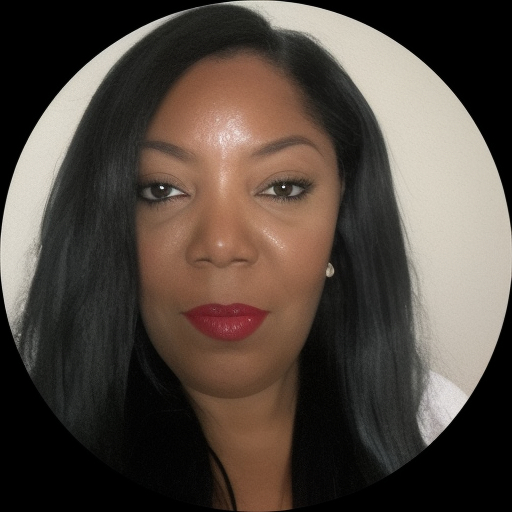
Diann Toney is a Licensed Mental Health Counselor (LMHC) in Florida who helps people facing anger, anxiety, depression, trauma, and stress. She works with clients on self‑esteem, grief, addictions, career shifts, and the strain of caregiving. Her approach centers on practical steps and steady support so people can move forward.
Diann keeps sessions focused and direct. She encourages clear goals and small, doable changes. Conversations look at how thoughts, behavior, and relationships interact so clients gain tools to manage intense feelings like anger or shame.
Background and approach
She uses Client‑Centered Therapy to follow what matters most to each person. That means listening first and shaping the plan around individual needs rather than a fixed template. Cognitive Behavioral Therapy, or CBT, is used to spot unhelpful thought patterns and replace them with more constructive habits.
Mindfulness techniques are woven into sessions to help people notice strong emotions without reacting automatically. Motivational Interviewing helps when someone feels stuck or unsure about making changes, by uncovering personal reasons for doing things differently. With eight years of clinical experience, Diann supports people through life changes such as divorce, migration challenges, and caregiver stress.
She also addresses family of origin issues, domestic violence aftermath, dissociation, and isolation. Sessions are offered in English and take place online by video, phone, live chat, or text messaging.
What Diann works with
Everything Diann lists, in the therapist's own terms. Anger is the reason this directory exists; the rest tells you what usually sits alongside it in Diann's practice.
- Trauma and abuse
- Self esteem
- Depression
- Stress, Anxiety
- Addictions
- Family conflicts
- Grief
- Anger management
- Career difficulties
- Coping with life changes
- Compassion fatigue
- Abandonment
- Aging and geriatric issues
- Caregiver issues and stress
- Dependent personality
- Dissociation
- Divorce and separation
- Domestic violence
- Family of origin issues
- Family problems
- First responder issues
- Forgiveness
- Guilt and shame
- Immigration issues
- Infidelity
- Isolation / loneliness
- Jealousy
- Midlife crisis
- Veteran and Armed Forces Issues
- Multicultural concerns
- Personality disorders
- Phobias
- Prejudice and discrimination
- Social anxiety and phobia
- Women's issues
- Young adult issues
Approaches Diann lists
- Client-Centered Therapy
- Cognitive Behavioral Therapy (CBT)
- Gottman Method
- Mindfulness Therapy
- Motivational Interviewing
- Narrative Therapy
- Solution-Focused Therapy
- Trauma-Focused Therapy
Listing an approach is not evidence of training in it. This directory copies what each therapist names and does not check training records.
How therapeutic methods translate to online sessions
Client‑Centered Therapy centers the session on the individual's concerns and priorities. In practice this means the therapist listens closely, reflects what matters most, and adapts sessions to fit each person's goals and pace. This approach can help with anger, grief, and identity concerns by keeping the work relevant to the client.Cognitive Behavioral Therapy, or CBT, focuses on changing thought patterns and behaviors that keep problems going. Online CBT often involves short exercises, thought records, and behavioral experiments that people can try between sessions to reduce anxiety, depression, and anger reactions.
Mindfulness techniques teach attention skills to notice feelings and bodily reactions without acting on them immediately. These tools can be practiced during a session and used in daily life to reduce reactivity and improve emotional regulation.
Finding the right approach is part of the work. The therapist will ask about your goals, try different methods, and adjust based on what fits. That collaborative process helps shape a plan that feels useful and realistic for your life.
Online sessions are offered by video calls, phone, live chat, or text-based messaging to make therapy more flexible. Video sessions allow face-to-face interaction and visual cues. Phone sessions use less bandwidth and can fit into a work break. Live chat or text messaging supports shorter check-ins or ongoing reflection between longer sessions. These options make it easier to keep continuity and use therapeutic tools in the moments they are needed.
Questions people ask about Diann
What kinds of concerns can Diann help with?
She supports people coping with anger, trauma and abuse, anxiety, depression, grief, addictions, family problems, and related issues such as guilt, shame, and isolation.
How would she describe her therapeutic style?
Her style is practical and person-focused. She listens first, helps set clear goals, and teaches skills to manage emotions and daily stressors.
What is her clinical background?
Diann has eight years of experience as a mental health professional working with people facing complex emotional challenges and life transitions.
What credentials and location are listed for this therapist?
She is a Licensed Mental Health Counselor, LMHC, licensed in Florida and practices from that state.
Which languages are supported for sessions?
Sessions are offered in English.
What session formats does she provide?
She meets with clients by video calls, phone sessions, live chat, or text-based messaging to fit different communication needs.
How are fees handled for therapy?
Costs vary by location and therapist availability. Sessions use a subscription model that can be canceled at any time.
How do I begin working with her?
Start by selecting the Start Therapy button, completing a short matching questionnaire, and then scheduling sessions according to the therapist's availability.