Works with
- Anger
- Addictions
- Relationship issues
- Trauma and abuse
- Grief
- Depression
How Faith works
Practical facts
- Credentials
- LMHC
- Licensed in
- Florida, Massachusetts
- Years in practice
- 9
- Languages
- English
- Session format
- Online, through our partner platform
About Faith
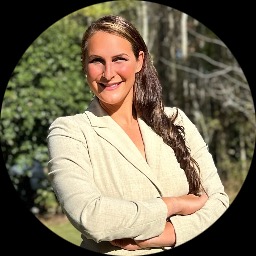
Faith Sanders is a licensed mental health counselor in Florida who helps people manage anger and other strong emotions. She also supports people facing anxiety, depression, grief, relationship problems, addiction, and major life changes. Faith writes plainly and listens closely to what matters to each person.
Her sessions focus on practical steps people can use right away. She uses tools from cognitive behavioral approaches to spot unhelpful thoughts and build new habits.
Background and approach
She also draws on mindfulness and acceptance techniques to reduce reactivity and increase calm. Faith combines short-term problem solving with skills work. Some meetings focus on one issue and get to clear next steps.
Others look at patterns that keep returning and teach skills to break them. She brings nine years of clinical experience to her work and holds an MA and the LMHC credential. Faith tailors plans to each person’s situation and values rather than following a one-size-fits-all script.
People who come to her often want real change without jargon. She aims to help them find practical tools, clearer communication, and steadier mood over time.
What Faith works with
Everything Faith lists, in the therapist's own terms. Anger is the reason this directory exists; the rest tells you what usually sits alongside it in Faith's practice.
- Addictions
- Relationship issues
- Trauma and abuse
- Grief
- Depression
- Stress, Anxiety
- LGBT
- Family conflicts
- Parenting issues
- Anger management
- Self esteem
- Career difficulties
- Bipolar disorder
- Coping with life changes
- Coaching
- Compassion fatigue
- Blended family issues
- Body image
- Co-morbidity
- Codependency
- Communication problems
- Control issues
- Dependent personality
- Drug and alcohol addiction
- Eating and food-related issues
- Family problems
- Forgiveness
- Guilt and shame
- Isolation / loneliness
- Life purpose
- Mood disorders
- Multicultural concerns
- Panic disorder and panic attacks
- Postpartum depression
- Post-traumatic stress
- Pregnancy and childbirth
- Seasonal Affective Disorder (SAD)
- Self-love
- Smoking / vaping cessation
- Social anxiety and phobia
- Women's issues
Approaches Faith lists
- Acceptance and Commitment Therapy (ACT)
- Cognitive Behavioral Therapy (CBT)
- Dialectical Behavior Therapy (DBT)
- Mindfulness Therapy
- Solution-Focused Therapy
- Trauma-Focused Therapy
Listing an approach is not evidence of training in it. This directory copies what each therapist names and does not check training records.
Online strategies and therapy approaches
Acceptance and Commitment Therapy (ACT) helps people notice thoughts and feelings without getting driven by them. It focuses on clarifying values and taking small steps that match what matters most, which can be useful for anger, depression, and life changes.Cognitive Behavioral Therapy (CBT) examines patterns of thinking and behavior that keep problems going. It teaches practical skills to change thoughts, shift reactions, and build new routines that improve mood and reduce reactivity.
Dialectical Behavior Therapy (DBT) blends skill training in emotional regulation, distress tolerance, and interpersonal effectiveness. It is helpful for intense emotions, relationship conflict, and improving day-to-day coping.
Faith treats choosing an approach as a collaborative process. She works with each person to match methods to their goals and preferences, and adjusts the plan as progress is made. The focus is on what helps in daily life rather than fitting a fixed model.
Offering video calls, phone sessions, live chat, and text-based messaging makes therapy more flexible. Video lets people read facial cues and work in real time. Phone sessions can be a simpler option that uses less bandwidth. Live chat and messaging support brief check-ins, skill practice, and ongoing encouragement between longer sessions. These options help fit therapy into work, caregiving, or travel schedules while keeping the work continuous and focused.
Questions people ask about Faith
What concerns does Faith commonly address?
She supports people with anger, anxiety, depression, grief, relationship strain, addiction, and major life transitions.
What is her general approach in sessions?
She uses practical, skills-based work that combines cognitive techniques, mindfulness, and acceptance strategies to help people manage emotions and behavior.
How much clinical experience does she have?
Faith has nine years of professional experience working with a range of mood, stress, and addiction concerns.
What are her credentials and where is she located?
She holds an MA and is a Licensed Mental Health Counselor (LMHC) practicing from Florida.
Which languages and international clients are supported?
Sessions are offered in English and she accepts international clients.
In what formats are sessions offered?
Therapy is available via video calls, phone sessions, live chat, or text-based messaging.
How does pricing and billing work?
Cost varies by location and therapist availability; sessions use a subscription that can be canceled at any time.
What steps are involved in getting started?
Select the Start Therapy button, complete a short matching questionnaire, and schedule sessions according to the therapist's availability.