Works with
- Anger
- Stress, Anxiety
- Addictions
- Bipolar disorder
- Depression
- Coping with life changes
How Kim works
Practical facts
- Credentials
- LCSW
- Licensed in
- Tennessee
- Years in practice
- 26
- Languages
- English
- Session format
- Online, through our partner platform
About Kim
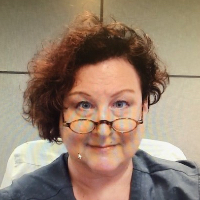
Kim Padula is a licensed clinical social worker who helps people manage stress, anxiety, anger, depression, addictions, and life transitions. She brings 26 years of experience to sessions and focuses on practical steps that lead to clearer choices and more control over daily reactions. Her style is strength-based and collaborative.
She asks about history and relationships that shaped current patterns, then helps set clear goals. Sessions emphasize perspective, accountability, and building skills to respond differently to difficult situations.
Background and approach
Kim uses a mix of approaches to match each person's needs. She draws on client-centered methods to listen and prioritize what matters most. Cognitive behavioral strategies are used to spot unhelpful thoughts and try new behaviors.
Dialectical skills offer ways to manage intense emotions and reduce conflict. Early in the work she reviews background and identifies objectives together. She and the client map a plan and revisit it as progress is made or needs shift.
This keeps therapy focused and practical rather than vague. People who come for help with grief, caregiver stress, compassion fatigue, career concerns, or relationship struggles can expect straightforward, goal-oriented sessions. Kim aims for therapy to build insight and usable choices so people feel more able to handle daily life.
What Kim works with
Everything Kim lists, in the therapist's own terms. Anger is the reason this directory exists; the rest tells you what usually sits alongside it in Kim's practice.
- Stress, Anxiety
- Addictions
- Bipolar disorder
- Depression
- Coping with life changes
- LGBT
- Relationship issues
- Family conflicts
- Grief
- Anger management
- Self esteem
- Career difficulties
- Coaching
- Compassion fatigue
- Aging and geriatric issues
- Caregiver issues and stress
- Co-morbidity
- Codependency
- Communication problems
- Coping with natural or human-caused disaster
- Divorce and separation
- Drug and alcohol addiction
- Family of origin issues
- First responder issues
- Forgiveness
- Life purpose
- Midlife crisis
- Mood disorders
- Panic disorder and panic attacks
- Prejudice and discrimination
- Self-love
- Social anxiety and phobia
- Women's issues
- Workplace issues
Approaches Kim lists
- Client-Centered Therapy
- Cognitive Behavioral Therapy (CBT)
- Dialectical Behavior Therapy (DBT)
- Existential Therapy
- Jungian Therapy
- Mindfulness Therapy
- Motivational Interviewing
- Solution-Focused Therapy
Listing an approach is not evidence of training in it. This directory copies what each therapist names and does not check training records.
Approaches and Online Options for Practical Change
Kim often blends client-centered work with cognitive behavioral strategies. Client-Centered Therapy focuses on listening closely to what matters to the individual and building a safe space for honest conversation. This approach helps people clarify their values, feel heard, and decide what they want to change. Cognitive Behavioral Therapy (CBT) looks at thoughts and behaviors that keep problems going and teaches concrete techniques to shift thinking and action. CBT is useful for anxiety, depression, anger, and patterns that cause repeated distress.Finding the right mix of approaches is part of the work. The therapist will collaborate with each person to identify goals, try methods that suit their needs, and adjust the plan as progress unfolds. That teamwork helps keep sessions focused and relevant to real-life demands.
Online sessions are offered as video calls, phone sessions, live chat, or text-based messaging to fit different routines. Video lets people use visual cues for deeper conversation. Phone works well when bandwidth is limited or a shorter check-in is needed. Live chat and text messaging can support quick check-ins, skills practice, or ongoing coaching between longer sessions. These options aim to make it easier to attend regularly and keep momentum toward goals.
Questions people ask about Kim
What kinds of concerns does Kim help with?
She supports people with stress, anxiety, anger, depression, addictions, grief, and life changes among other issues.
How would you describe her therapy style?
Her approach is collaborative and strength-based, focusing on goals, accountability, and practical skills for everyday challenges.
What is her professional background?
She has worked as a licensed clinical social worker since 1995 and brings 26 years of clinical experience to her practice.
Where is she based and what credential does she hold?
She practices in Tennessee and holds the LCSW credential, listed as TN LCSW.
Which languages are used in sessions?
Sessions are offered in English and international clients are accepted.
What session formats are available?
Sessions can be conducted via video calls, phone sessions, live chat, or text-based messaging.
How are costs and billing handled?
Cost varies with location and therapist availability; sessions use a subscription model that can be canceled at any time.
How do I begin working with her?
Click the Start Therapy button, complete a short matching questionnaire, and schedule sessions according to therapist availability.