Works with
- Anger
- Stress, Anxiety
- Relationship issues
- Trauma and abuse
- Self esteem
- Depression
How LaShonda works
Practical facts
- Credentials
- LCSW
- Licensed in
- North Carolina
- Years in practice
- 10
- Languages
- English
- Session format
- Online, through our partner platform
About LaShonda
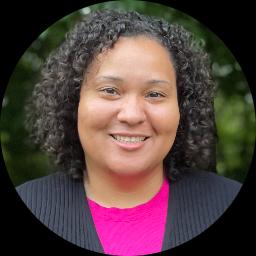
LaShonda "Ann" Aycock is a Licensed Clinical Social Worker who centers her practice on listening and collaboration. She offers clear, practical steps to help people facing stress, anxiety, anger, and other life challenges. Ann draws on a decade of clinical experience in North Carolina to guide each person toward stronger coping and clearer choices.
Her sessions focus on what matters now. She uses client-centered conversations to make space for a person’s priorities and values.
Background and approach
Cognitive behavioral techniques are used to identify unhelpful thinking and then try different ways of responding. Ann also brings mindfulness and motivational interviewing into the work. Mindfulness helps people notice reactions in the moment.
Motivational interviewing supports small changes when someone feels stuck or unsure about next steps. She helps with many concerns, including relationships, grief, addictions, self-esteem, parenting stress, career shifts, and trauma-related struggles. Anger is one of the areas she addresses, with attention to practical strategies for managing impulses and rebuilding trust.
Sessions are shaped around a person’s strengths and goals. Ann explains options, tries methods that fit the person, and adjusts the approach as progress unfolds. Her aim is steady, useful change rather than quick fixes.
To begin, she works with people to set realistic goals and build skills that carry into daily life. The focus is on simple tools you can use between sessions to handle stress, improve communication, and move forward with more confidence.
What LaShonda works with
Everything LaShonda lists, in the therapist's own terms. Anger is the reason this directory exists; the rest tells you what usually sits alongside it in LaShonda's practice.
- Stress, Anxiety
- Relationship issues
- Trauma and abuse
- Self esteem
- Depression
- Addictions
- LGBT
- Family conflicts
- Grief
- Intimacy-related issues
- Eating disorders
- Parenting issues
- Anger management
- Career difficulties
- Bipolar disorder
- Coping with life changes
- Coaching
- Compassion fatigue
- ADHD
- Adoption and foster care
- Aging and geriatric issues
- Blended family issues
- Body image
- Caregiver issues and stress
- Co-morbidity
- Codependency
- Commitment issues
- Communication problems
- Control issues
- Coping with natural or human-caused disaster
- Divorce and separation
- Domestic violence
- Drug and alcohol addiction
- Emptiness
- Family of origin issues
- Family problems
- Forgiveness
- Guilt and shame
- Hospice and end-of-life counseling
- Impulsivity
- Isolation / loneliness
- Jealousy
- Life purpose
- Money and financial issues
- Mood disorders
- Multicultural concerns
- Obsessions, compulsions, and OCD
- Panic disorder and panic attacks
- Phobias
- Postpartum depression
- Post-traumatic stress
- Pregnancy and childbirth
- Prejudice and discrimination
- Seasonal Affective Disorder (SAD)
- Self-love
- Sexuality
- Smoking / vaping cessation
- Social anxiety and phobia
- Traumatic brain injury
- Women's issues
- Workplace issues
- Young adult issues
Approaches LaShonda lists
- Client-Centered Therapy
- Cognitive Behavioral Therapy (CBT)
- Mindfulness Therapy
- Motivational Interviewing
- Solution-Focused Therapy
Listing an approach is not evidence of training in it. This directory copies what each therapist names and does not check training records.
Approaches that fit your schedule and goals
Client-centered therapy centers each session on what the person brings and what they want to change. It focuses on listening, reflecting, and helping people choose steps that match their values and strengths. Cognitive behavioral therapy, or CBT, looks at how thoughts influence feelings and actions and teaches concrete skills to try different responses to stress, anger, or anxiety.Finding the right mix of methods is part of the work together. The therapist will talk through goals, try approaches that suit those goals, and adjust as progress happens. That collaborative process helps people see which tools feel useful and which need tweaking.
Online sessions can be scheduled as video calls, phone sessions, live chat, or text-based messaging to fit different needs. Video calls are good for in-depth conversations and visual cues. Phone sessions need less bandwidth and can be easier during a break at work. Live chat and text messaging work well for brief check-ins, homework review, or when someone prefers writing to speaking. These options make it easier to keep regular contact and practice new skills between meetings.
Questions people ask about LaShonda
What kinds of concerns does she help with?
She supports people dealing with stress, anxiety, anger, depression, relationship problems, addictions, grief, and related issues listed in her specialties.
What is her therapy style like?
Her style is collaborative and straightforward, combining client-centered conversation with practical tools from cognitive behavioral and solution-focused approaches.
How much clinical experience does she have?
She has ten years of clinical experience working with adults in North Carolina.
What are her credentials and where is she located?
She is a Licensed Clinical Social Worker, LCSW, licensed in North Carolina.
In which languages can sessions be held?
Sessions are offered in English.
Can international clients work with her?
She does not accept international clients at this time.
What formats are available for sessions?
She offers video calls, phone sessions, live chat, and text-based messaging for flexible scheduling and check-ins.
How are costs and scheduling handled?
Costs vary by location and therapist availability and use a subscription model that can be canceled at any time; to start, select the Start Therapy button, complete the short questionnaire, and schedule a time.