Works with
How Linda works
Practical facts
- Credentials
- LPCC
- Licensed in
- Ohio
- Years in practice
- 10
- Languages
- English
- Session format
- Online, through our partner platform
About Linda
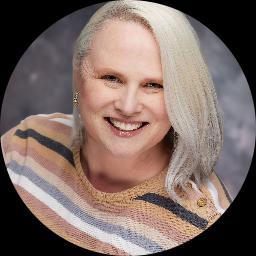
Linda Levinson is a licensed professional clinical counselor with ten years of clinical experience. She began her career after earning a dual degree in mental health and substance abuse treatment and has worked extensively with people recovering from opioid and other substance-related problems. Linda combines practical skills with plain talk to help people dealing with stress, anxiety, anger, depression, and addiction-related concerns.
Her early work focused on substance use and co-occurring disorders, which shaped the way she approaches trauma, guilt, shame, and low self-esteem.
Background and approach
Over time she added experience with process addictions like shopping, gaming, Internet use, exercise, gambling, and sex and love addictions. She also helps people navigate issues related to sexual identity and the LGBTQIA community. Linda sees each person as having strengths to build on.
She helps clients identify what gets in the way of change and uses those strengths to set achievable goals. Sessions emphasize honest conversation, practical strategies, and steps that can be tried between meetings. Her practice supports people dealing with relationship concerns, intimacy difficulties, parenting strain, grief, chronic health problems, and career transitions.
She also works with those coping with ADHD, bipolar mood challenges, and compassion fatigue. Linda values acceptance and empowerment as central to the work. Clients can expect a blend of approaches chosen to match their needs.
Linda draws on cognitive and mindfulness-based tools alongside client-centered and acceptance-oriented ideas to help people move toward the life they want.
What Linda works with
Everything Linda lists, in the therapist's own terms. Anger is the reason this directory exists; the rest tells you what usually sits alongside it in Linda's practice.
- Stress, Anxiety
- Addictions
- LGBT
- Trauma and abuse
- Depression
- Relationship issues
- Family conflicts
- Grief
- Intimacy-related issues
- Sleeping disorders
- Parenting issues
- Anger management
- Self esteem
- Career difficulties
- Bipolar disorder
- Coping with life changes
- Coaching
- Compassion fatigue
- ADHD
- Aging and geriatric issues
- BDSM, kink, and alternative sex culture
- Blended family issues
- Cancer
- Caregiver issues and stress
- Chronic pain, illness, and disability
- Co-morbidity
- Codependency
- Commitment issues
- Communication problems
- Control issues
- Coping with natural or human-caused disaster
- Dissociation
- Divorce and separation
- Drug and alcohol addiction
- Emptiness
- Family of origin issues
- Family problems
- Fatherhood issues
- Fertility issues
- First responder issues
- Forgiveness
- Gender dysphoria
- Guilt and shame
- HIV / AIDS
- Hospice and end-of-life counseling
- Infidelity
- Isolation / loneliness
- Jealousy
- Life purpose
- Men's issues
- Midlife crisis
- Veteran and Armed Forces Issues
- Money and financial issues
- Mood disorders
- Multicultural concerns
- Narcissism
- Panic disorder and panic attacks
- Phobias
- Polyamory / non-monogamous relationships
- Postpartum depression
- Post-traumatic stress
- Pregnancy and childbirth
- Prejudice and discrimination
- Process addiction (porn, exercise, gambling)
- Seasonal Affective Disorder (SAD)
- Self-love
- Sex addiction
- Sexual assault and abuse
- Sexual dysfunction
- Sexuality
- Social anxiety and phobia
- Traumatic brain injury
- Women's issues
- Workplace issues
- Young adult issues
Approaches Linda lists
- Acceptance and Commitment Therapy (ACT)
- Client-Centered Therapy
- Cognitive Behavioral Therapy (CBT)
- Existential Therapy
- Mindfulness Therapy
- Motivational Interviewing
- Psychodynamic Therapy
- Solution-Focused Therapy
- Trauma-Focused Therapy
Listing an approach is not evidence of training in it. This directory copies what each therapist names and does not check training records.
How Linda’s Approaches Translate to Online Care
Acceptance and Commitment Therapy, or ACT, focuses on helping people clarify their values and take meaningful action even when difficult thoughts or feelings are present. It can be useful for stress, anxiety, anger, and life transitions. Cognitive Behavioral Therapy, CBT, targets unhelpful thinking and behavior patterns and teaches practical skills for mood, sleep, and coping with cravings or compulsive habits. Client-centered therapy emphasizes a trusting, nonjudgmental conversation that helps people feel heard and supported while they work through identity, relationship, or grief issues.Choosing the right approach is a collaborative process. Linda will talk with each person about goals, preferences, and what has or hasn’t helped before. Together they will test methods and adjust the plan so sessions match the client’s needs and pace.
Online work is offered by video, phone, live chat, or text-based messaging to make care fit into busy lives. Video sessions allow face-to-face conversation and skills demonstration. Phone calls can be easier when bandwidth is limited or for shorter check-ins. Live chat and messaging are helpful for ongoing coaching, brief check-ins, or when writing out thoughts feels more comfortable. These options aim to make it simpler to keep therapy consistent and usable alongside daily responsibilities.
Questions people ask about Linda
What kinds of concerns does Linda help with?
She works with stress, anxiety, addictions, anger, depression, relationship and intimacy issues, grief, parenting strain, sleep problems, ADHD, bipolar challenges, and related concerns.
What is her therapy style like?
Sessions are conversational and goal-focused with an emphasis on practical steps. Linda mixes skills practice, mindfulness, and values-based work to help people make changes between sessions.
How long has she been practicing?
Linda has ten years of experience working in mental health and substance abuse treatment settings and with clients in recovery from opioid and other addictions.
Where is she licensed and based?
She is an LPCC licensed in Ohio and provides services while located in that state.
Which languages are supported and can she see international clients?
Sessions are offered in English. International clients are not currently accepted.
What session formats are available?
Linda offers video calls, phone sessions, live chat, and text-based messaging to accommodate different needs and schedules.
How does billing and cost work?
Cost varies with location and therapist availability. Sessions use a subscription model that can be canceled at any time.
How do I begin working with her?
Click the Start Therapy button, complete a short matching questionnaire, and schedule sessions according to therapist availability.