Works with
- Anger
- Stress, Anxiety
- Family conflicts
- Trauma and abuse
- Self esteem
- Depression
How Mark works
Practical facts
- Credentials
- LCPC
- Licensed in
- Illinois
- Years in practice
- 18
- Languages
- English
- Session format
- Online, through our partner platform
About Mark
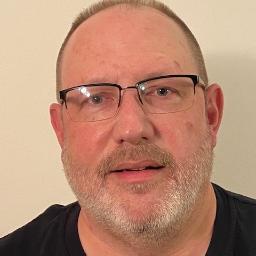
Mark Mikyska is a Licensed Clinical Professional Counselor with 18 years of experience supporting people through stress, anger, trauma, and relationship challenges. He offers a direct, warm approach that helps people talk through what feels stuck and figure out practical next steps. He blends mindfulness, psychodynamic ideas, and trauma-focused work to address patterns that keep showing up.
Sessions are interactive and aim to help clients recognize habits of thought and behavior.
Background and approach
Mark encourages small, doable changes people can practice between meetings. His background includes long experience as a crisis worker in the Chicago area and many years helping people cope with depression, anxiety, and emotional abuse. That experience shapes how he holds difficult conversations and responds when people are overwhelmed.
Mark pays attention to how life roles and stressors affect mood and relationships. He helps people tackle sleep problems, compassion fatigue, addiction concerns, and parenting strain by breaking issues into clear steps and skills to try. Anger and control issues are addressed with practical tools and exploration of underlying feelings.
He works with adults in Illinois and offers video calls, phone sessions, live chat, and text-based messaging. People who want to begin are asked to complete a short matching questionnaire and schedule a time that fits their needs.
What Mark works with
Everything Mark lists, in the therapist's own terms. Anger is the reason this directory exists; the rest tells you what usually sits alongside it in Mark's practice.
- Stress, Anxiety
- Family conflicts
- Trauma and abuse
- Self esteem
- Depression
- Addictions
- Relationship issues
- Grief
- Intimacy-related issues
- Sleeping disorders
- Parenting issues
- Anger management
- Career difficulties
- Bipolar disorder
- Coping with life changes
- Compassion fatigue
- ADHD
- Abandonment
- Aging and geriatric issues
- Caregiver issues and stress
- Chronic pain, illness, and disability
- Communication problems
- Control issues
- Coping with natural or human-caused disaster
- Dissociation
- Domestic violence
- Emptiness
- Fatherhood issues
- First responder issues
- Forgiveness
- Guilt and shame
- Isolation / loneliness
- Life purpose
- Men's issues
- Midlife crisis
- Veteran and Armed Forces Issues
- Money and financial issues
- Mood disorders
- Obsessions, compulsions, and OCD
- Panic disorder and panic attacks
- Phobias
- Post-traumatic stress
- Seasonal Affective Disorder (SAD)
- Self-harm
- Self-love
- Social anxiety and phobia
- Workplace issues
Approaches Mark lists
- Cognitive Behavioral Therapy (CBT)
- Existential Therapy
- Mindfulness Therapy
- Psychodynamic Therapy
- Trauma-Focused Therapy
- Internal Family Systems
Listing an approach is not evidence of training in it. This directory copies what each therapist names and does not check training records.
How therapy approaches translate to online sessions
Mark often uses Cognitive Behavioral Therapy to help people identify unhelpful thoughts and try new behaviors. CBT is practical and works well for anxiety, depression, anger, and sleep problems because it focuses on what to change and how to practice it.He also draws on Mindfulness Therapy to teach attention and grounding skills. Mindfulness helps people notice strong feelings like anger or overwhelm and respond with more choice rather than habit. This can be useful for stress, trauma reactions, and coping with life changes.
Finding the right approach is a team effort. The therapist will work collaboratively to match methods to a person’s goals, needs, and preferences, and will adjust over time if something isn’t working.
Online formats include video calls, phone sessions, live chat, and text-based messaging. Video calls are good for face-to-face conversation and practicing skills together. Phone sessions can fit into a busy day or when bandwidth is limited. Live chat and text messaging let people check in more often and use short exchanges for brief support or skill coaching. These options aim to make it easier to fit therapy into daily life while keeping the focus on progress and practical tools.
Questions people ask about Mark
What concerns does Mark focus on?
He works with a wide range of issues including stress, anxiety, depression, trauma and abuse, addictions, anger, relationship and intimacy-related issues, and sleep problems.
What is his therapy style like?
He uses a warm, interactive style that combines practical skills and reflective discussion to help people understand patterns and try new behaviors between sessions.
How much experience does he have?
Mark has 18 years of experience, including time as a crisis worker in the Chicago area and longstanding clinical work with trauma and emotional abuse.
What are his credentials and location?
He is an IL LCPC - Licensed Clinical Professional Counselor practicing in Illinois.
Which languages are supported?
Sessions are offered in English.
What session formats are available?
Sessions can be conducted by video call, phone, live chat, or text-based messaging to fit different schedules and needs.
How does pricing work?
Cost varies with location and therapist availability; sessions use a subscription model that can be canceled at any time.
How do I get started with him?
Begin by selecting the Start Therapy button, completing a short matching questionnaire, and then scheduling according to therapist availability.