Works with
- Anger
- Stress, Anxiety
- Relationship issues
- Family conflicts
- Trauma and abuse
- Depression
How Meryl works
Practical facts
- Credentials
- LMHC
- Licensed in
- Florida
- Years in practice
- 12
- Languages
- English
- Session format
- Online, through our partner platform
About Meryl
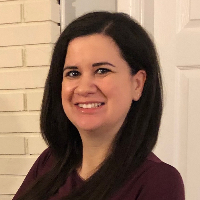
Meryl Galvan is a Licensed Mental Health Counselor (LMHC) based in Florida who helps people manage stress, anxiety, anger, grief, and relationship struggles. She draws on a practical style that mixes warm support with clear, goal-focused steps. People come to her for help with mood problems, trauma and abuse, addictions, sleep troubles, parenting strain, and career or life transitions.
With 12 years of experience, she uses straightforward methods to build coping skills and improve day-to-day functioning.
Background and approach
Sessions often focus on learning tools to reduce overwhelm, improve communication, and handle intense emotions like anger. Meryl is direct and sincere in session while keeping an empathetic approach. Her work draws on Cognitive Behavioral Therapy (CBT) to spot unhelpful thought patterns and Dialectical Behavior Therapy (DBT) skills for managing intense feelings.
She also incorporates Eye Movement Desensitization and Reprocessing (EMDR) and mindfulness techniques when trauma or stress are central concerns. Motivational interviewing and solution-focused strategies are used to help people move toward their goals. Meryl’s background includes a master’s degree in counseling psychology and clinical experience across outpatient settings.
She has supervised clinical teams and has experience addressing substance use and health-related stress. Her practice emphasizes practical skill-building that clients can use beyond therapy. People looking for a therapist who combines compassion with direct coaching on coping and communication may find her approach a good fit.
She aims to help clients gain tools that make a lasting difference in daily life.
What Meryl works with
Everything Meryl lists, in the therapist's own terms. Anger is the reason this directory exists; the rest tells you what usually sits alongside it in Meryl's practice.
- Stress, Anxiety
- Relationship issues
- Family conflicts
- Trauma and abuse
- Depression
- Addictions
- Grief
- Intimacy-related issues
- Sleeping disorders
- Parenting issues
- Anger management
- Self esteem
- Career difficulties
- Bipolar disorder
- Coping with life changes
- Compassion fatigue
- Body image
- Caregiver issues and stress
- Chronic pain, illness, and disability
- Codependency
- Communication problems
- Control issues
- Divorce and separation
- Drug and alcohol addiction
- Emptiness
- Family problems
- Forgiveness
- Guilt and shame
- Isolation / loneliness
- Mood disorders
- Panic disorder and panic attacks
- Personality disorders
- Postpartum depression
- Post-traumatic stress
- Pregnancy and childbirth
- Sexual assault and abuse
- Social anxiety and phobia
- Women's issues
- Workplace issues
Approaches Meryl lists
- Cognitive Behavioral Therapy (CBT)
- Dialectical Behavior Therapy (DBT)
- Eye Movement Desensitization and Reprocessing (EMDR)
- Mindfulness Therapy
- Motivational Interviewing
- Solution-Focused Therapy
- Trauma-Focused Therapy
Listing an approach is not evidence of training in it. This directory copies what each therapist names and does not check training records.
Online approaches that teach emotion and trauma skills
CBT helps people notice and change thought and behavior patterns that fuel worry, low mood, and anger. It uses practical exercises and small experiments to test thoughts and build different habits of thinking and acting.DBT focuses on skills for tolerating distress, regulating intense emotions, and improving communication. Those skills are useful for managing anger, panic, and relationship conflicts without making things worse.
EMDR is a trauma-informed approach that can reduce the emotional intensity of painful memories by pairing recall with guided processing. It is often used when past events keep triggering strong reactions in the present.
Meryl treats finding the right approach as a team effort. She will talk with each person about goals, symptoms, and preferences, then suggest approaches likely to help. That plan can change as progress is made, and she encourages feedback so methods stay aligned with what feels useful.
Online sessions are offered by video call, phone, live chat, or text-based messaging to fit different needs. Video calls work well for full therapy sessions and face-to-face interaction. Phone sessions use less bandwidth and can fit a break during the day. Live chat or text-based messaging can be useful for brief check-ins, skill practice, or when writing out thoughts helps more than speaking. These options make it easier to keep therapy consistent around work, family, and life demands.
Questions people ask about Meryl
What kinds of concerns does she address?
Meryl supports people with stress, anxiety, depression, trauma and abuse, addictions, grief, anger, sleep problems, relationship and intimacy issues, parenting strain, career changes, and compassion fatigue.
What is her therapeutic style like?
She combines warmth with direct coaching and practical tools. Sessions focus on building coping skills, improving communication, and solving specific problems.
How many years has she been practicing?
She has 12 years of clinical experience working in outpatient settings and supervising clinical teams.
What credentials does she hold and where is she located?
She is a Licensed Mental Health Counselor, FL LMHC, and practices in Florida.
Which languages are available for sessions?
Sessions are offered in English.
What session formats are offered?
Therapy is available via video calls, phone sessions, live chat, or text-based messaging.
How is cost handled for sessions?
Cost varies with location and therapist availability; sessions use a subscription model that can be canceled at any time.
How do I begin working with her?
Start by selecting the Start Therapy button, complete a short matching questionnaire, and then schedule according to therapist availability.